
Indoor air pollution is a growing concern in Indian cities, where we spend nearly 90% of our time indoors surrounded by dust, VOCs (volatile organic compounds), and pollutants from paints, furniture, and cleaning agents.
While air purifiers can help, air purifying indoor plants offer a natural, aesthetic, and low-cost way to support cleaner, fresher air inside homes and offices.
In this guide, we’ve combined scientific insights from studies like NASA’s Clean Air Study with real-world experience of growing and selling plants in India. You’ll discover the top 10 indoor plants known to absorb toxins, improve humidity, and add life to Indian homes, along with expert care tips and buying advice.
Whether you live in a compact apartment, a spacious villa, or an air-conditioned office, these plants can help you breathe easier—naturally.
Quick Summary: Best Air-Purifying Plants for Indian Homes
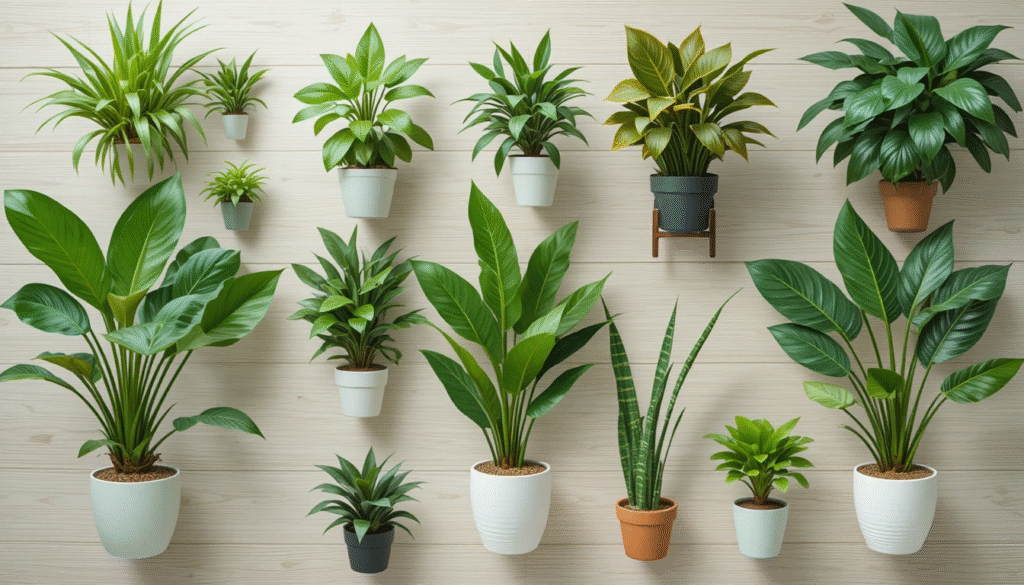
If you’re short on time, here’s the quick answer:
Below are India’s most effective, easy-to-grow air-purifying indoor plants ranked for different needs.
Category | Best Plant | Why It’s Great |
Best Overall | Snake Plant (Sansevieria) | Tough, needs little light, filters toxins like benzene & formaldehyde |
Low-Maintenance Choice | Areca Palm | Adds humidity, non-toxic, great for living rooms |
Best for Bedrooms | Peace Lily | Absorbs toxins, improves air quality and humidity |
Best for Beginners | Spider Plant | Fast-growing, pet-safe, cleans air efficiently |
Best for Style + Air Quality | Rubber Plant | Large glossy leaves trap dust and VOCs |
Budget Pick | Money Plant (Pothos) | Grows easily in water or soil, purifies common indoor toxins |
👉 Pro Tip: Keep at least 1 medium-sized air-purifying plant per 100 sq. ft. for noticeable results indoors. A cluster of 4–5 plants works better than a single pot.
Why This Guide — Who It’s For and What You’ll Learn
This guide is for anyone in India who wants cleaner indoor air, greener interiors, and a simple way to improve health and décor—naturally.
Whether you’re:
- A homeowner tired of stuffy indoor air,
- A plant lover looking to expand your green space,
- A beginner unsure which plants actually clean air, or
- An office manager aiming to create a healthier workspace—
you’ll find actionable, science-backed, and India-specific insights here.
What you’ll learn in this guide:
- The science behind air-purifying plants — what they can and can’t do.
- The 10 best air-cleaning indoor plants for Indian conditions, based on research and real-world performance.
- Care and placement tips for maximum air purification.
- Where to buy healthy, verified plants in India (online and offline).
- Answers to common FAQs like how many plants you need, which ones are pet-safe, and how to maintain them easily.
By the end, you’ll know exactly which plants to bring home—and how to keep them thriving for years.
Do Plants Really Purify Indoor Air?

It’s one of the most common questions homeowners ask:
“Can indoor plants actually clean the air we breathe?”
The short answer is yes—but with some conditions.
Certain plants can absorb small amounts of airborne toxins like formaldehyde, benzene, and trichloroethylene, helping to refresh the surrounding air. However, their effect depends on quantity, airflow, and maintenance.
Let’s look at what the science really says—and what it means for your home.
The NASA Clean Air Study — What It Proved
In 1989, NASA scientists conducted the famous Clean Air Study to explore how plants could improve air quality in sealed environments, such as space stations.
They found that several common houseplants—including Peace Lily, Snake Plant, Areca Palm, and Money Plant (Pothos)—were effective in removing up to 87% of indoor toxins like:
- Formaldehyde (from furniture and paints)
- Benzene (from detergents and plastics)
- Trichloroethylene (from cleaning products and adhesives)
The process worked through a combination of:
- Leaf absorption: Leaves capture pollutants through tiny pores (stomata).
- Root zone microorganisms: Bacteria in soil help break down toxins.
- Natural respiration: Plants exchange gases and release oxygen, adding freshness.
👉 In short: The NASA study confirmed that plants can act as natural air filters in enclosed spaces.
Real-World Limitations: Why a Few Plants ≠ an Air Purifier
While the NASA results were groundbreaking, they were based on laboratory conditions—sealed chambers with no air circulation.
In a real Indian home or office, air exchange from windows, fans, and AC units dilutes the concentration of toxins.
Studies since then (including research from Environmental Science & Technology Journal, 2019) show that the number of plants needed to truly clean indoor air in normal conditions is much higher than most people think—often over 100 plants per room for a measurable difference.
Other practical limitations include:
- Airflow: Without movement, plants can’t “pull” polluted air across their leaves efficiently.
- Plant health: Dusty or overwatered plants lose effectiveness.
- Space & care: Not every home can accommodate large numbers of pots.
So while plants help, they can’t replace an air purifier—especially in highly polluted cities.
Practical Takeaway: When Plants Help and When They Don’t
Here’s the balanced, realistic view:
✅ Plants Help When:
- You keep multiple medium-sized plants (4–5 per room).
- There’s some airflow (fans or open windows).
- You maintain healthy, dust-free leaves.
- You combine them with good ventilation and natural light.
🚫 Plants Don’t Help Much When:
- You rely on just one or two small pots.
- Rooms are poorly ventilated or overly humid.
- Plants are overwatered or dying.
Bottom line:
Air-purifying plants won’t replace a HEPA filter—but they will make your indoor environment fresher, more humid, and visually calming, with small but meaningful improvements in air quality.
When combined with ventilation and good housekeeping, they’re an excellent natural supplement for cleaner air.
How Plants Improve Indoor Air Quality
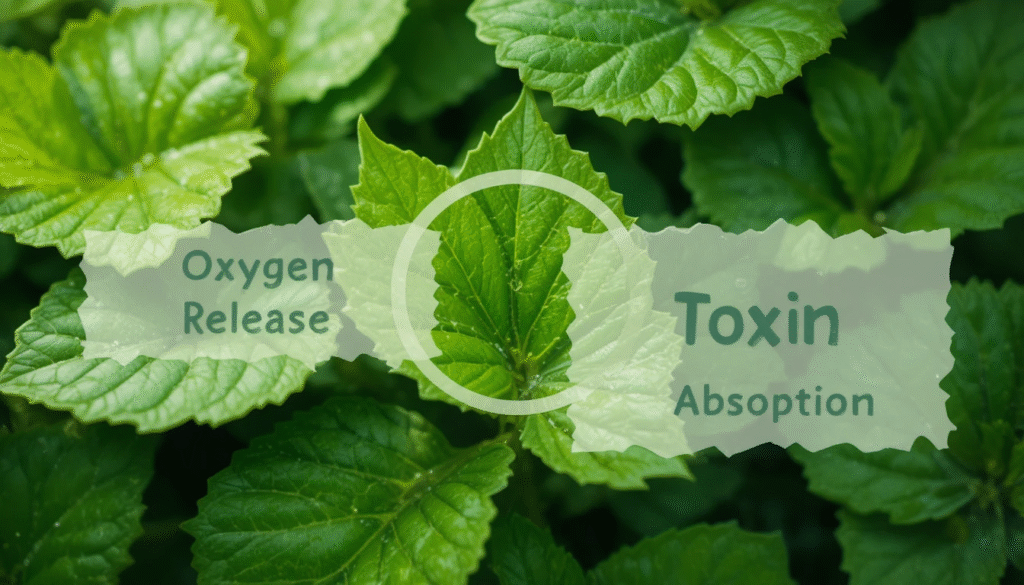
Indoor air quality (IAQ) can decline due to common pollutants like dust, carbon dioxide, and volatile organic compounds (VOCs) released from everyday items such as furniture, paints, and cleaning products.
While air purifiers mechanically trap these pollutants, plants improve indoor air naturally through biological and chemical processes that are subtle but effective over time.
Let’s look at how they work and what else they can do for your living environment.
How Plants Remove VOCs and Particulate Matter
Air-purifying plants absorb airborne pollutants mainly through their leaves, stems, and roots. Here’s how the process happens step by step:
- Absorption through leaf pores (stomata):
Plants “breathe” by exchanging gases through small pores on their leaves. As they take in carbon dioxide, they also absorb trace pollutants such as formaldehyde, benzene, toluene, and xylene — common VOCs found in Indian homes. - Translocation to roots:
Once absorbed, these chemicals move through the plant tissues and reach the root zone, where microbes in the soil break them down into harmless byproducts like water and carbon compounds. - Deposition of dust and particles:
The broad leaves of plants like Rubber Plant or Areca Palm act as natural dust traps, capturing fine particulate matter (PM2.5 and PM10) that can otherwise irritate lungs and skin. - Humidity and ion balance:
Through transpiration, plants release moisture vapor, helping to reduce airborne dust and static, while improving air freshness.
👉 In short: Plants act as micro air filters, absorbing toxins and reducing airborne dust, particularly in enclosed spaces where windows stay shut for long hours.
Other Proven Benefits: Humidity, Wellbeing, Sleep, and Decor
Beyond purifying the air, indoor plants bring several measurable and emotional benefits backed by research:
- 🌿 Improved humidity:
Plants release moisture into the air through transpiration, which helps balance dry indoor air—especially useful during Indian summers and in air-conditioned rooms. - 😌 Enhanced wellbeing:
Studies from the Journal of Physiological Anthropology show that people surrounded by indoor greenery report lower stress levels and higher focus. Offices with plants also record better employee productivity. - 😴 Better sleep quality:
Certain plants like Snake Plant and Aloe Vera release oxygen even at night, improving oxygen levels and promoting deeper sleep. - 🪴 Decor and mood boost:
Plants instantly uplift interiors, making spaces feel calmer and more welcoming. Their presence has been linked to reduced anxiety and better mood regulation.
👉 These emotional and environmental benefits make air-purifying plants not just functional—but also essential for holistic indoor wellbeing.
When to Choose Plants vs. Air Purifiers
While both serve different purposes, plants and air purifiers complement each other rather than compete. Here’s how to decide what fits your home best:
Situation | Choose Plants | Choose Air Purifier | Use Both |
Mild indoor pollution (closed rooms, light dust) | ✅ Excellent choice | – | ✅ Ideal combo |
High outdoor pollution / near traffic | Limited impact | ✅ Necessary | ✅ For balance |
Small apartments with low airflow | ✅ Helps humidity | ✅ Filters PM2.5 | ✅ Balanced solution |
Asthma or severe allergies | ✅ Low-allergen species only | ✅ Medical-grade filter | ✅ If space allows |
Decor + mental wellness goals | ✅ Perfect fit | – | ✅ Optional |
In summary:
- Use plants to support air freshness, humidity, and aesthetics.
- Use air purifiers for serious dust, pollen, or smoke removal.
- Use both together for the healthiest indoor ecosystem.
How We Selected the Top 10 Air-Purifying Plants

With hundreds of indoor plants available in India, not all are equally effective or easy to maintain. To make this guide genuinely useful, we created a research-backed and experience-based selection process to shortlist the 10 best air-purifying indoor plants suitable for Indian homes and offices.
Each plant on our list meets a balance of scientific credibility, visual appeal, availability, and practicality for Indian weather and living spaces.
Criteria: Toxin Removal, Low Maintenance, India-Friendly, Pet Safety, Availability
To ensure both scientific accuracy and real-world relevance, we evaluated dozens of popular houseplants using the following criteria:
- Toxin Removal Efficiency:
We prioritized plants shown in the NASA Clean Air Study and other environmental research to remove VOCs such as formaldehyde, benzene, toluene, and xylene — all common indoor air pollutants in Indian households. - Ease of Maintenance:
Indian climates can be challenging — from dry summers to humid monsoons. We selected plants that:
- Toxin Removal Efficiency:
- Thrive in low or indirect light,
- Require moderate watering, and
- Can survive in AC rooms or on shaded balconies.
- Plants like the Snake Plant, Money Plant, and Areca Palm made the cut for their hardiness and forgiving nature.
- India-Friendly Growth Conditions:
All shortlisted species are readily available in Indian nurseries and adapt well to the country’s diverse regional climates — whether it’s the heat of Delhi, the humidity of Mumbai, or the coastal air of Chennai. - Pet & Child Safety:
Many homeowners now share space with pets. We considered non-toxic species (like Spider Plant and Areca Palm) and included safety warnings for plants that may cause mild irritation if ingested. - Aesthetic Appeal & Versatility:
Clean air is just one benefit — people also want beautiful spaces. We chose plants that enhance interiors naturally, from compact desk plants to statement indoor trees. - Availability & Price:
Only plants that are commonly sold across India — both online and offline — were included. Each listing includes a typical price range and buying options for convenience.
👉 In short: We didn’t just pick the prettiest plants. We selected those that combine proven air-purifying ability, low care needs, and practical suitability for everyday Indian homes.
Sources and References Used
To make this list both accurate and trustworthy, we relied on credible scientific studies, horticultural expertise, and field experience from the Indian nursery and landscaping sector.
Our research references include:
- NASA Clean Air Study (1989): Dr. B.C. Wolverton’s findings on plant-based toxin removal.
- Journal of Environmental Science & Technology (2019): Modern reassessment of plant efficacy in real-world air quality.
- Indian Council of Agricultural Research (ICAR): Climate adaptability and species data for tropical and subtropical plants.
- Greenarium team insights: Over a decade of hands-on experience maintaining indoor and corporate green spaces in India.
- Customer feedback: From homeowners and offices who’ve used these plants to improve indoor freshness and aesthetics.
Together, these data sources helped us create a balanced, India-focused guide that merges scientific research with real-life plant performance.
Top 10 Air-Purifying Indoor Plants in India — At a Glance
If you’re short on time, here’s a quick overview of the top 10 air-purifying indoor plants that thrive in Indian homes and workplaces.
Each plant below is chosen for its proven ability to absorb indoor toxins, low-maintenance nature, and adaptability to Indian weather.
These are the best options to create a cleaner, fresher, and greener home environment — naturally.
Comparison Table: Rank | Plant Name | Toxins Removed | Light | Water | Pet-Safe | Ideal Room
Rank | Plant Name (Common + Scientific) | Toxins Removed | Light Needs | Water Needs | Pet-Safe | Ideal Room / Placement |
1 | Snake Plant (Sansevieria trifasciata) | Benzene, Formaldehyde, Trichloroethylene | Low to Bright Indirect | Once a week | ❌ Mildly toxic | Bedroom / Office (releases oxygen at night) |
2 | Peace Lily (Spathiphyllum wallisii) | Benzene, Trichloroethylene, Formaldehyde | Moderate Indirect | Keep soil moist | ❌ Toxic to pets | Bedroom / Living Room |
3 | Areca Palm (Dypsis lutescens) | Toluene, Xylene, Formaldehyde | Bright Indirect | Regular, moderate | ✅ Non-toxic | Living Room / Balcony |
4 | Spider Plant (Chlorophytum comosum) | Carbon Monoxide, Formaldehyde, Xylene | Bright Indirect | Twice a week | ✅ Pet-safe | Kitchen / Office Desk |
5 | Money Plant (Golden Pothos) (Epipremnum aureum) | Benzene, Formaldehyde, Toluene | Low to Bright Indirect | Moderate | ❌ Toxic to pets | Living Room / Stair Corners |
6 | Rubber Plant (Ficus elastica) | Formaldehyde, Toluene | Bright Indirect | Moderate | ❌ Toxic | Living Room / Corner Decor |
7 | Boston Fern (Nephrolepis exaltata) | Formaldehyde, Xylene | Low to Medium Indirect | High humidity | ✅ Pet-safe | Bathroom / Balcony |
8 | Aloe Vera (Aloe barbadensis) | Benzene, Formaldehyde | Bright Indirect / Sunny | Once every 10–12 days | ❌ Mildly toxic | Bedroom / Kitchen Window |
9 | Fiddle Leaf Fig (Ficus lyrata) | VOCs, Dust Particles | Bright Filtered | Moderate | ❌ Toxic | Living Room / Entrance |
10 | Lucky Bamboo (Dracaena sanderiana) | Formaldehyde, Benzene | Low to Medium Indirect | Water every 7–10 days | ❌ Toxic if chewed | Office Desk / Dining Table |
💡 Quick Tips for Best Results:
- Keep at least 4–5 medium-sized plants per room for noticeable improvement in freshness.
- Wipe leaves weekly to remove dust (improves toxin absorption).
- Rotate plants every few weeks to ensure even light exposure.
- Combine different species — e.g., Snake Plant + Areca Palm + Spider Plant — for a balanced mix of oxygen, humidity, and aesthetics.
Detailed Plant Profiles
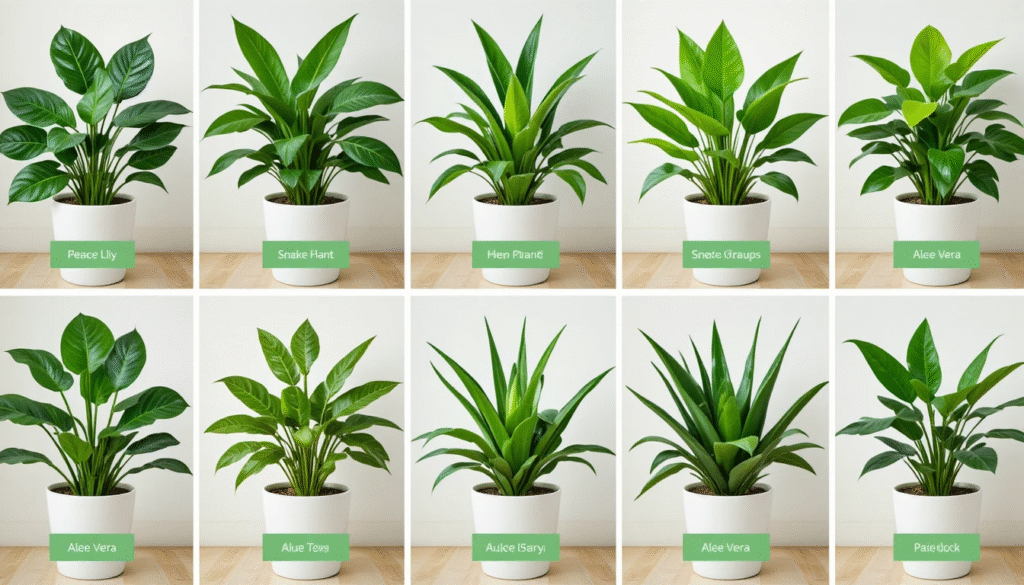
Each of the following indoor plants has been handpicked based on scientific studies and real-world performance in Indian homes.
You’ll find their air-purifying benefits, care needs, and buying insights — all explained in simple, actionable terms.
Peace Lily (Spathiphyllum)
Toxins Commonly Removed:
Benzene, Formaldehyde, Trichloroethylene, and Ammonia.
Light, Water & Ideal Placement:
Thrives in medium to low indirect light. Keep soil slightly moist — water when the top inch feels dry. Ideal for bedrooms or shaded living rooms.
Care Tips & Troubleshooting:
- Remove yellow leaves regularly.
- Avoid direct sunlight to prevent leaf burn.
- Wipe leaves weekly for better toxin absorption.
Pet Safety Notes:
Toxic if ingested by cats or dogs — keep out of reach.
Price Range & Where to Buy in India:
₹300–₹800; available on NurseryLive, Amazon, or Greenarium.in.
Snake Plant (Sansevieria / Dracaena trifasciata)
Toxins Commonly Removed:
Formaldehyde, Benzene, Trichloroethylene, and Xylene.
Light, Water & Ideal Placement:
Extremely hardy — tolerates low to bright light. Water every 7–10 days; perfect for bedrooms and offices.
Care Tips & Troubleshooting:
- Use well-draining soil.
- Avoid overwatering — root rot is the only common issue.
Pet Safety & Night Oxygen Benefits:
Mildly toxic to pets. Releases oxygen at night, improving bedroom air quality and sleep.
Price Range & Where to Buy in India:
₹250–₹700; widely available online and in local nurseries.
Aloe Vera (Aloe barbadensis)
Toxins Commonly Removed:
Benzene and Formaldehyde.
Light, Water & Ideal Placement:
Prefers bright indirect sunlight or semi-sunny windowsills. Water every 10–12 days.
Care Tips & Medicinal Uses:
- Allow soil to dry completely before watering.
- The gel can be used for skin burns, acne, and hair care.
- Avoid cold drafts during winter.
Price Range & Where to Buy in India:
₹100–₹300; found easily in local nurseries, Amazon, and garden stores.
Areca Palm (Dypsis lutescens)
Toxins Commonly Removed:
Toluene, Xylene, and Formaldehyde.
Light, Water & Ideal Placement:
Needs bright, indirect light. Water 2–3 times a week; mist leaves for humidity. Great for living rooms or balconies.
Care Tips & Humidity Benefits:
- Improves indoor humidity naturally.
- Trim brown tips — a sign of dry air or overfertilization.
Price Range & Where to Buy in India:
₹400–₹1,200; available in 6–12-inch pots from top garden retailers.
Spider Plant (Chlorophytum comosum)
Toxins Commonly Removed:
Carbon Monoxide, Formaldehyde, and Xylene.
Light, Water & Placement Tips:
Bright, indirect sunlight is preferred. Water every 5–7 days. Perfect for kitchens, bathrooms, and offices.
Care Tips & Pet Safety:
- Remove dead leaf tips to maintain shape.
- Propagates easily via offshoots.
- 100% pet-safe.
Price Range & Where to Buy in India:
₹150–₹400; available online and in garden centers.
Rubber Plant (Ficus elastica)
Toxins Commonly Removed:
Formaldehyde and Toluene.
Light, Water & Placement:
Prefers bright filtered light. Water moderately once a week. Ideal for living room corners or office spaces.
Care Tips & Pruning Tips:
- Prune to maintain shape and prevent overgrowth.
- Wipe leaves regularly for shine and dust removal.
Price Range & Where to Buy in India:
₹400–₹1,000; available from top Indian plant stores.
Boston Fern (Nephrolepis exaltata)
Toxins Commonly Removed:
Formaldehyde and Xylene.
Light, Water & Humidity Needs:
Grows best in low to medium light with high humidity. Keep soil consistently moist.
Care Tips & Common Problems:
- Mist daily during dry weather.
- Fronds turning brown = low humidity or underwatering.
Price Range & Where to Buy in India:
₹250–₹600; available in hanging baskets or pots.
Money Plant / Golden Pothos (Epipremnum aureum)
Toxins Commonly Removed:
Benzene, Formaldehyde, and Toluene.
Light, Water & Placement:
Adaptable to low or bright light. Water when soil dries halfway. Ideal for hanging pots, stair corners, or tabletops.
Care Tips & Propagation:
- Cut stem below a node and place in water or soil.
- Trim regularly for bushy growth.
Price Range & Where to Buy in India:
₹100–₹400; found in almost every Indian nursery.
Fiddle Leaf Fig (Ficus lyrata)
Toxins Commonly Removed:
VOC buildup and airborne dust.
Light, Water & Placement:
Needs bright, indirect light. Water weekly and avoid moving frequently. Perfect for living room corners.
Care Tips & Size Management:
- Rotate pot for even growth.
- Prune top leaves to control height.
- Clean leaves monthly to prevent dust clogging.
Price Range & Where to Buy in India:
₹700–₹1,500; available online and in premium garden centers.
Lucky Bamboo (Dracaena sanderiana)
Toxins Commonly Removed:
Formaldehyde and Benzene.
Light, Water & Display Methods:
Prefers low to moderate light. Grows easily in water or soil — change water every 7–10 days.
Care Tips & Cultural Notes (Vastu):
- Symbolizes luck, prosperity, and positive energy.
- Avoid direct sunlight to prevent leaf yellowing.
Price Range & Where to Buy in India:
₹200–₹600; commonly sold as gift plants online and in local nurseries.
✅ Pro Tip: Combine 3–4 species (like Snake Plant, Peace Lily, and Areca Palm) for a balanced mix of oxygen, humidity, and aesthetics, maximizing your indoor air quality naturally.
Best Placement & Quantity — How Many Plants Do You Actually Need?

One of the biggest misconceptions about air-purifying plants is that one or two pots alone can clean an entire home’s air — unfortunately, that’s not realistic.
While each plant contributes to fresher air, studies (including NASA’s) suggest that you’ll need multiple medium-sized plants per room to notice a real difference.
The key lies in strategic placement, spacing, and the right mix of species to create a naturally balanced indoor ecosystem.
Room-by-Room Suggestions: Bedroom, Living Room, Kitchen, Office
🛏️ Bedroom
- Best plants: Snake Plant, Aloe Vera, Peace Lily
- Why: These release oxygen even at night and thrive in low light.
- Quantity: 2–3 medium plants (6–8-inch pots) per average-sized room.
- Placement: On a bedside table, window ledge, or floor corner away from AC vents.
🛋️ Living Room
- Best plants: Areca Palm, Rubber Plant, Money Plant, Fiddle Leaf Fig
- Why: These large foliage plants absorb toxins and elevate decor.
- Quantity: 3–5 medium-to-large plants for visible impact.
- Placement: Mix floor-standing plants in corners with tabletop or hanging options near windows.
🍳 Kitchen
- Best plants: Spider Plant, Aloe Vera, Lucky Bamboo
- Why: They tolerate heat and remove VOCs from gas and cleaning products.
- Quantity: 2–3 compact plants in bright corners or on shelves.
- Placement: Avoid near stove flames or direct heat; place near a window or counter edge.
💻 Office / Study Room
- Best plants: Snake Plant, Peace Lily, Spider Plant
- Why: Improve air quality and reduce stress during work hours.
- Quantity: 2–4 desk-sized plants depending on workspace size.
- Placement: Keep within your line of sight or on side tables for visual calmness.
Airflow, Pot Size, and Spacing Tips
Proper plant placement is just as important as quantity.
Here are a few expert tips to maximize air purification efficiency in Indian indoor conditions:
- Airflow: Place plants near windows, balconies, or air circulation points so that air movement helps distribute purified oxygen throughout the room.
- Spacing: Keep at least 6–12 inches between plants to prevent fungal growth and ensure even light exposure.
- Pot Size: Use 6–10-inch pots for medium plants and 12–14-inch pots for larger ones like Areca Palm or Rubber Plant. Ensure drainage holes to avoid root rot.
- Rotation: Rotate plants every 2–3 weeks for uniform growth and light exposure.
Pro tip: If your room has limited sunlight, use grow lights (LED full spectrum) to maintain plant health without compromising décor.
Plant Grouping: When a Cluster Works Better Than Singles
Instead of placing single plants randomly, grouping plants together can create a micro-habitat that boosts humidity, retains moisture, and amplifies toxin absorption.
Here’s how to do it effectively:
- Cluster by Need: Combine plants with similar light and watering requirements — e.g., Areca Palm + Peace Lily + Money Plant.
- Aesthetic Clusters: Use 3 or 5 plants of varying heights for natural visual appeal.
- Functional Clusters: Create “green corners” in areas with limited ventilation or natural light.
- Humidity Boost: In air-conditioned rooms, grouping plants helps maintain balanced moisture levels, preventing leaf dryness.
Balanced Mix Example:
- Tall Plant: Areca Palm or Rubber Plant
- Medium Plant: Peace Lily or Snake Plant
- Trailing Plant: Money Plant or Spider Plant
Together, they form a natural air-purifying zone that looks beautiful and performs effectively.
✅ Quick Takeaway:
For best results, aim for 1 medium-sized plant every 100 sq. ft. of space, distributed across rooms. Combine upright, leafy, and trailing varieties for a balanced indoor ecosystem that feels both fresh and vibrant.
Care Essentials for Indian Climates
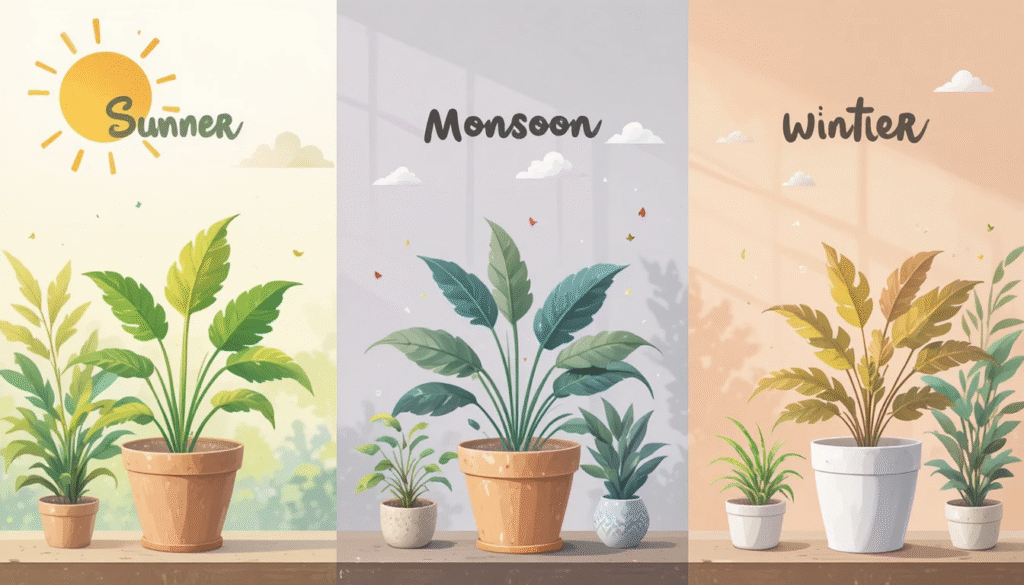
Caring for indoor air-purifying plants in India isn’t just about watering — it’s about adapting to the country’s distinct seasons.
Indian weather swings from humid monsoons to dry, scorching summers and low-light winters, and your plants respond differently to each.
Here’s how to keep your green companions healthy and thriving year-round.
Monsoon Care: Drainage, Humidity, Fungal Prevention
The monsoon brings relief from the heat — but also excess moisture, which can be tricky for potted plants.
🌧️ Key Challenges:
Overwatering, poor drainage, and fungal infections caused by prolonged humidity.
✅ Best Practices:
- Ensure drainage holes: Use pots with proper holes and a gravel layer at the base to prevent root rot.
- Reduce watering frequency: The air is already moist — water only when the top 1–2 inches of soil feel dry.
- Improve airflow: Keep plants near open windows or use a fan on low speed to circulate air.
- Fungal prevention: Spray organic neem oil once every two weeks to prevent white fungus or mold buildup.
- Avoid overcrowding: Maintain space between pots so leaves dry quickly after rain or misting.
Pro Tip: If your plants are on a balcony, move them slightly inward to avoid rainwater stagnation.
Summer Care: Sun Exposure and Heat Stress
Indian summers can be harsh, especially in northern and central regions where temperatures exceed 40°C.
Too much sunlight can scorch leaves, while dry air can cause drooping or brown tips.
☀️ Key Challenges:
Dehydration, leaf burn, and low humidity indoors (especially in AC rooms).
✅ Best Practices:
- Indirect light only: Shift sensitive plants like Peace Lily or Areca Palm away from harsh afternoon sun.
- Increase humidity: Mist plants daily or keep a shallow bowl of water nearby for evaporative moisture.
- Adjust watering: Water early morning or evening to minimize evaporation.
- Mulching: Add a thin layer of coco peat or moss on soil to retain moisture.
- Cool down the roots: Place pots over ceramic trays with pebbles and a little water (without touching the base).
Pro Tip: For cities like Delhi or Jaipur, use shade nets or sheer curtains to filter intense sunlight indoors.
Winter Care: Watering and Indoor Light Management
During Indian winters, especially in the north, lower temperatures and shorter days can slow plant metabolism. Overwatering during this period is the most common mistake.
❄️ Key Challenges:
Cold drafts, less sunlight, and damp soil leading to root decay.
✅ Best Practices:
- Reduce watering: Limit to once every 10–12 days or when soil feels dry — plants need less water in cool months.
- Maximize light exposure: Move plants near east- or south-facing windows to catch morning sun.
- Avoid cold floors: Elevate pots slightly on stands or trays to prevent chilling roots.
- Clean leaves: Dust blocks sunlight — wipe leaves every 10–15 days for optimal photosynthesis.
- Fertilize lightly: Use mild organic fertilizers once a month to keep soil nutrients active.
Pro Tip: In low-light homes, use full-spectrum LED grow bulbs for 4–6 hours daily to maintain plant health.
✅ Quick Takeaway:
Adjust watering and light seasonally — more water in summer, less in monsoon and winter. Focus on airflow during humid months and light during cooler ones to keep your air-purifying plants lush and healthy year-round.
Pet Safety & Common Allergies

While air-purifying indoor plants make your home fresher and more inviting, some can pose risks to pets or sensitive individuals.
Understanding which plants are pet-safe, which are toxic, and how to handle accidental contact ensures your green space stays both beautiful and safe.
Pet-Safe Picks and Plants to Avoid
🐾 Pet-Safe Indoor Plants (Non-Toxic to Cats & Dogs):
These are excellent choices for pet-friendly homes:
- Areca Palm (Dypsis lutescens) – Great air purifier and completely non-toxic.
- Spider Plant (Chlorophytum comosum) – Safe, easy to grow, and playful cats often love its dangly leaves.
- Boston Fern (Nephrolepis exaltata) – Non-toxic, thrives in humidity.
- Bamboo Palm (Chamaedorea seifrizii) – Ideal for living rooms; pet-friendly and elegant.
- Parlor Palm (Chamaedorea elegans) – Compact, decorative, and safe.
🚫 Plants to Avoid Around Pets:
Some popular air-purifying species are mildly toxic if chewed or ingested by pets — causing drooling, vomiting, or mild irritation.
- Peace Lily (Spathiphyllum) – Contains calcium oxalate; can cause mouth irritation.
- Snake Plant (Sansevieria) – Mildly toxic; can lead to stomach upset.
- Aloe Vera (Aloe barbadensis) – Great for humans, not for pets; ingestion may cause vomiting.
- Rubber Plant (Ficus elastica) – Can cause skin irritation and digestive issues.
- Money Plant / Golden Pothos (Epipremnum aureum) – Toxic if eaten by cats or dogs.
✅ Pro Tip:
If you own pets, place potentially toxic plants on higher shelves, hanging pots, or plant stands to minimize risk. Choose safe alternatives like Areca Palm + Spider Plant for a stress-free indoor setup.
Quick First-Aid for Ingestion or Skin Reactions
Even with precautions, pets or small children might occasionally chew leaves or touch plant sap. Here’s what to do safely:
🚑 Immediate Steps for Pet Ingestion:
- Remove any plant residue from the mouth or fur using a damp cloth.
- Offer clean drinking water to flush out the mouth.
- Do not induce vomiting unless advised by a veterinarian.
- Note the plant’s name and call your vet for professional guidance.
⚕️ For Skin Irritation (Pets or Humans):
- Wash the affected area with mild soap and cool water.
- Apply aloe vera gel (safe for external use) or a cold compress to soothe itching.
- If redness or swelling persists, consult a doctor or vet immediately.
👩⚕️ When to See a Professional:
- Persistent drooling or vomiting
- Swelling around mouth or eyes
- Difficulty breathing or loss of appetite
Pro Tip: Keep a small “Pet Emergency Card” with your vet’s number and common toxic plant list near your plant shelf or fridge — a small step that can save valuable time.
✅ Quick Takeaway:
Many of India’s favorite air-purifying plants are safe when handled responsibly. With the right selection and placement, you can enjoy cleaner air without compromising your pet’s safety or your family’s comfort.
Buying Guide — Where to Buy Healthy Air-Purifying Plants in India
Finding the right plants is just as important as choosing the right species. Poor-quality or diseased plants can struggle to survive indoors — even with perfect care.
Here’s a guide to help you buy healthy, genuine, and long-lasting air-purifying plants in India, whether you prefer online delivery or visiting a trusted local nursery.
Trusted Indian Sellers (Online & Local Nurseries)
🌐 Online Plant Stores (Pan-India Delivery):
These platforms are known for healthy live plants, secure packaging, and wide variety of indoor species:
- Ugaoo.com – One of India’s most reputed plant e-commerce sites. Offers air-purifying bundles, self-watering pots, and gardening accessories.
- Nurserylive.com – Large catalog with verified sellers; often features combo offers and detailed plant care instructions.
- Greenarium – Ideal for landscaping and gifting; offers curated air-purifying plants with pots and care support.
- Amazon India – Good for budget-friendly options; check ratings, seller authenticity, and live delivery guarantee.
- UrbanPlant.in – Specializes in indoor and low-maintenance plants; known for eco-friendly packaging and quick shipping.
🏡 Local Nurseries (City-Based Favorites):
Buying in person ensures you can inspect plant health, soil condition, and leaf quality before purchase.
Top nurseries in major cities include:
- Lalbagh Nursery (Bengaluru)
- Green Mall (Kolkata)
- Rajdhani Nursery (Delhi NCR)
- Garden World (Mumbai)
- Ooty Botanical Market (Tamil Nadu)
💡 Pro Tip: Choose nurseries that offer repotting assistance, return options, and plant-care after-sales support — signs of a trustworthy seller.
Price Bands: Budget, Mid, and Premium Options
To plan your indoor garden smartly, here’s a general pricing guide based on Indian market trends (as of 2025):
Category | Typical Price Range (₹) | Examples | Best For |
Budget (₹150–400) | Small Snake Plant, Money Plant, Spider Plant | Beginners, gifting, office desks | |
Mid-Range (₹400–900) | Peace Lily, Areca Palm, Aloe Vera combo | Home decor & medium rooms | |
Premium (₹900–2500+) | Fiddle Leaf Fig, Rubber Plant, Large Areca Palm | Statement corners, interior styling |
💰 Tip: Buy combo packs or plant bundles for better value — many online sellers offer “Air Purifying Sets” with free planters or fertilizers included.
Delivery & Return Tips
Before ordering, always verify the seller’s live plant delivery conditions, as plants can be sensitive to long transits.
📦 Delivery Checklist:
- Look for sellers offering “Live Plant Guarantee” or replacement on arrival damage.
- Check if the plant is shipped in cocopeat or nursery soil — this affects transit survival.
- Prefer early-week shipping (Mon–Wed) to avoid weekend delays.
- Avoid ordering during extreme weather (summer heat waves or monsoon peaks).
↩️ Return & Replacement Tips:
- Take photos immediately on delivery if leaves or roots appear damaged.
- Notify the seller within 24 hours with order ID and pictures.
- Avoid replanting before contacting support; most returns are valid only in the original packaging.
🌱 Bonus Tip: Once delivered, let your new plant acclimate for 2–3 days in indirect light before repotting. This helps it recover from shipping stress.
✅ Quick Takeaway:
Buy from trusted sellers with clear return policies, verified plant health reviews, and good packaging. Spending a little extra upfront ensures your plants arrive alive, healthy, and ready to purify your air — for years to come.
Quick Maintenance Checklist

Even the best air-purifying plants need regular care to stay healthy and effective.
A consistent maintenance routine ensures your plants not only look lush but also keep cleaning your indoor air efficiently throughout the year.
Here’s a practical, India-friendly care checklist — perfect for both beginners and busy plant parents.
Weekly, Monthly, and Seasonal Tasks
🌿 Weekly Tasks
Keep your plants fresh and responsive with small but regular actions:
- Water check: Touch the soil — water only if the top inch feels dry. Overwatering is the most common mistake.
- Leaf cleaning: Gently wipe leaves with a damp microfiber cloth to remove dust and open pores for better air exchange.
- Light rotation: Rotate pots by 90° each week so all sides get balanced sunlight.
- Pest check: Inspect undersides of leaves for signs of mealybugs, fungus gnats, or whiteflies.
- Mist or humidify: Especially for tropical species like Areca Palm and Boston Fern.
✅ Pro Tip: Grouping plants together increases humidity naturally, reducing the need for misting.
🪴 Monthly Tasks
A slightly deeper care routine to keep your plant ecosystem healthy:
- Fertilize: Use an organic or balanced liquid fertilizer (NPK 19:19:19) once a month during the growing season.
- Prune dead leaves: Remove yellow or brown leaves to prevent disease and encourage new growth.
- Check drainage: Make sure pot holes aren’t clogged — stagnant water leads to root rot.
- Reposition plants: Adjust placement based on changing light — especially in monsoon or winter months.
- Dust pots & shelves: Clean the surrounding surfaces; accumulated dust can attract pests.
🌱 Eco Tip: Reuse kitchen waste like banana peels or tea compost for slow-release organic nutrition.
🌤️ Seasonal Tasks
🌧️ Monsoon (June–September):
- Ensure excellent drainage to prevent fungal rot.
- Shift delicate plants (like Peace Lily) indoors if humidity spikes too high.
- Apply neem oil spray every 15 days to control fungal and pest growth.
🔥 Summer (March–June):
- Avoid harsh afternoon sun — move plants slightly away from windows.
- Water early morning or late evening to minimize evaporation.
- Mist plants twice a day for humidity, especially in dry regions.
❄️ Winter (November–February):
- Reduce watering frequency — soil dries slower in cooler months.
- Move plants closer to windows for better light exposure.
- Wipe leaves often to prevent dust accumulation from closed spaces.
🌼 Bonus Tip: Repot your plants every 12–18 months (preferably in early summer) using fresh potting mix to boost root oxygen and growth.
✅ Quick Takeaway:
Think of indoor plant care as a weekly ritual, not a chore. A few minutes of mindful attention ensures your green companions keep thriving — and purifying your home’s air all year long.
Troubleshooting Common Problems

Even the healthiest air-purifying plants can show signs of stress — especially when indoor conditions fluctuate across Indian seasons.
The good news? Most plant problems are easy to diagnose and fix once you know what to look for.
Below are the most common indoor plant issues and their safe, eco-friendly solutions.
Yellow Leaves, Drooping, or Wilting
Problem Overview:
Yellowing or drooping leaves are your plant’s way of signaling imbalance — most often linked to watering issues, light problems, or nutrient deficiencies.
💧 1. Overwatering (Most Common Cause):
- Symptoms: Yellow, soft leaves; soggy soil; mold on top layer.
- Fix:
- Let the soil dry 2–3 inches deep before the next watering.
- Ensure the pot has drainage holes.
- Repot if roots appear black or mushy (root rot).
☀️ 2. Lack of Sunlight:
- Symptoms: Pale, droopy leaves and slow growth.
- Fix: Move the plant to bright indirect light (near a window with filtered sunlight). Rotate weekly.
🌿 3. Nutrient Deficiency:
- Symptoms: Older leaves turn yellow first; weak stems.
- Fix: Feed with a balanced liquid fertilizer (NPK 19:19:19) once every 3–4 weeks during growing months (Feb–Sept).
🌬️ 4. Sudden Environmental Change:
- Symptoms: Drooping after repotting or relocation.
- Fix: Give your plant 2–3 days to acclimate. Avoid overwatering or fertilizing immediately after moving.
✅ Pro Tip:
If only the bottom leaves are yellowing, that’s natural aging — trim them off to encourage new growth.
Pests and Safe Indoor Remedies
Indoor plants attract fewer pests than outdoor ones — but closed environments can still invite mealybugs, aphids, spider mites, and fungus gnats, especially in humid Indian climates.
🐛 Common Indoor Pests & Symptoms:
Pest | Visible Signs | Damage |
Mealybugs | White cottony spots on stems/leaves | Suck sap, slow growth |
Spider Mites | Fine webbing under leaves | Yellow speckles, leaf drop |
Aphids | Small green/brown insects on new shoots | Curling leaves, sticky residue |
Fungus Gnats | Tiny flies around soil | Weak roots, soggy soil |
🌿 Safe & Natural Remedies:
- Neem Oil Spray – Mix 1 tsp neem oil + 1 tsp mild liquid soap + 1L water. Spray every 7 days until pests disappear.
- Cinnamon Dust – Sprinkle on soil to prevent fungal gnats and mold.
- Isopropyl Alcohol Dab – Use a cotton swab dipped in diluted alcohol to wipe mealybugs.
- Soap Spray – Mild detergent + water (1 tsp per liter) kills aphids without harming leaves.
- Hydrogen Peroxide Flush (for gnats) – Mix 1 part hydrogen peroxide (3%) with 4 parts water; pour into soil once every few weeks.
🚫 Avoid:
- Harsh chemical pesticides — they can harm indoor air quality and pets.
- Over-misting — excessive moisture encourages fungal growth.
✅ Pro Tip:
Regularly clean leaves, inspect soil, and quarantine new plants for a week before introducing them to your indoor setup.
Quick Takeaway:
Most plant problems stem from simple imbalances — too much water, too little light, or pests hiding under leaves.
By following a routine inspection and natural care approach, your air-purifying plants will stay strong, glossy, and toxin-fighting all year round.
FAQs
Do Air-Purifying Plants Remove PM2.5?
Short Answer: Not significantly.
Air-purifying plants can help reduce volatile organic compounds (VOCs) and improve humidity, but their ability to remove PM2.5 (fine dust and smoke particles) is limited in real-world home conditions.
Explanation:
While studies like NASA’s Clean Air Study showed that plants can absorb pollutants, the test environments were sealed chambers. In open indoor spaces, you’d need dozens of plants per room to notice a measurable PM2.5 reduction.
✅ Best Practice: Combine plants with a HEPA air purifier for effective dust and pollution control.
Which Plants Release Oxygen at Night?
A few special plants continue oxygen release even at night through a process called Crassulacean Acid Metabolism (CAM) — ideal for bedrooms.
Examples:
- Snake Plant (Sansevieria)
- Aloe Vera (Aloe barbadensis)
- Areca Palm (Dypsis lutescens)
- Peace Lily (Spathiphyllum) (minimal night-time O₂ release)
✅ Pro Tip: Place one or two of these near your bed or study area for fresher night air.
Are Indoor Air-Purifying Plants Effective Against Formaldehyde?
Yes — moderately effective.
Several air-purifying plants can absorb formaldehyde, a common indoor toxin found in furniture, paint, and cleaning agents.
Top performers include:
- Peace Lily
- Boston Fern
- Spider Plant
- Rubber Plant
Fact: NASA’s study found that these plants can remove formaldehyde and benzene from sealed air chambers within 24 hours.
✅ Real-World Tip: Keep at least 2–3 medium plants per 100 sq. ft. for noticeable results.
Which Air-Purifying Plants Are Best for Small Apartments?
For compact Indian homes or apartments with limited light and space, choose plants that are low-maintenance, vertical, or hanging.
Best Choices:
- Snake Plant – thrives in low light
- Money Plant / Pothos – perfect for hanging pots
- Peace Lily – compact and decorative
- Spider Plant – great for balconies and corners
✅ Placement Tip: Use vertical racks or wall-mounted planters to maximize floor space while keeping air fresh.
Are Air-Purifying Plants Safe for Babies?
Most are safe, but a few can be mildly toxic if chewed or ingested.
Baby-safe plants:
- Areca Palm
- Spider Plant
- Parlor Palm
- Boston Fern
Avoid: Peace Lily, Snake Plant, Aloe Vera, and Money Plant — they can cause mild mouth irritation or stomach upset if touched or tasted.
✅ Parent Tip: Keep plants out of reach, choose non-toxic varieties, and use stable pots to prevent tipping hazards.
Final Takeaway:
Air-purifying indoor plants offer beauty, health benefits, and emotional calm. But for maximum effectiveness — pair them with good ventilation, natural light, and responsible placement to create a truly fresh and safe indoor environment.
How Many Plants Are Needed for a 2BHK Flat?
General Rule: Around 10–15 medium-sized plants for a 2BHK (800–1200 sq. ft.) home.
Breakdown Example:
- Living Room: 4–5 plants (Areca Palm, Rubber Plant, Money Plant)
- Bedrooms: 2 each (Snake Plant, Peace Lily)
- Kitchen/Bathroom: 1 each (Aloe Vera, Spider Plant)
✅ Expert Tip: Instead of crowding one area, spread plants evenly for consistent purification and humidity balance.
Pingback: Best Indoor Plants for Oxygen & Stress Relief | 2025 Guide
Pingback: Top 20 Low Maintenance Plants in India for Busy People