
Palm trees have become synonymous with tropical elegance and modern landscaping in India. From the coastal regions of Kerala and Goa to the urban balconies of Mumbai and Delhi, these majestic plants are transforming Indian gardens and interiors with their distinctive silhouettes and low-maintenance appeal.
The surge in palm tree popularity isn’t just about aesthetics—it’s a reflection of changing gardening trends where homeowners seek drought-tolerant, visually striking plants that thrive in India’s diverse climate zones. Whether you’re a seasoned gardener or a beginner looking to add a tropical touch to your space, palms offer versatility that few other plant families can match.
This comprehensive guide covers everything you need to know about growing and caring for palm trees in India. We’ll explore the best species for different climates, detailed care instructions tailored to Indian weather patterns, creative landscaping ideas that suit both traditional and contemporary homes, and practical troubleshooting tips to keep your palms healthy year-round. By the end of this guide, you’ll have the confidence to select, plant, and maintain palm trees that will flourish in your specific environment.
If you want to explore all different species available across the country, you can also check our complete guide on palm varieties in India.
What Makes Palm Trees Ideal for Indian Climates?
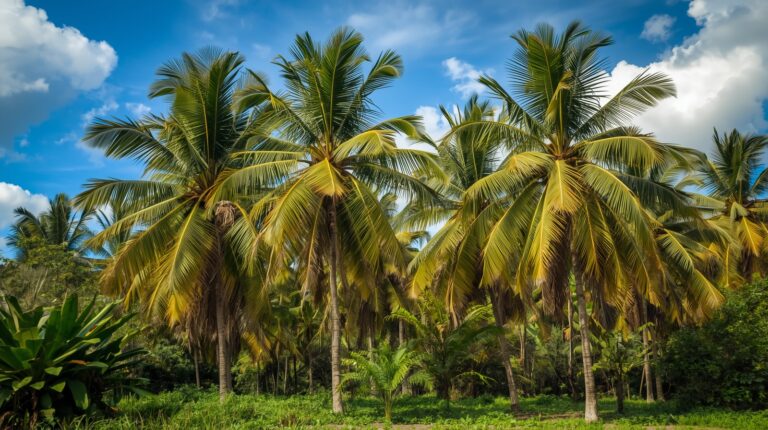
Palm trees have evolved over millions of years to thrive in tropical and subtropical conditions, making them naturally suited to most Indian climate zones. Their unique physiological characteristics allow them to withstand conditions that would stress many other ornamental plants.
Temperature & Humidity Tolerance
Most palm species flourish in India’s temperature range of 20°C to 35°C, which covers the majority of the year in most regions. Species like the Areca Palm and Fishtail Palm particularly excel in humid coastal areas where moisture levels remain high throughout the year. These palms have developed specialized leaf structures that minimize water loss while maximizing photosynthesis in humid environments.
In northern India, where winter temperatures occasionally drop to 5-10°C, cold-hardy varieties such as the Chinese Fan Palm and Date Palm demonstrate remarkable resilience. These species can tolerate brief cold spells without experiencing significant damage. However, even hardy palms benefit from protection during extreme cold snaps—a simple covering with frost cloth during winter nights can prevent leaf damage.
The humidity tolerance of palms is equally impressive. While many prefer humidity levels above 50%, species like the Bottle Palm and Sago Palm adapt well to drier interior regions. Their waxy leaf coatings and efficient water-retention systems allow them to maintain health even when atmospheric moisture is limited.
Soil Types Suitable for Palm Trees
Palms are remarkably adaptable to various soil conditions, but they perform best in well-draining mediums with slightly acidic to neutral pH levels ranging from 6.0 to 7.5. The ideal soil composition for most palm species is a mixture that balances moisture retention with adequate drainage—typically a blend of garden soil, sand, and organic compost in equal proportions.
In coastal regions where sandy loam dominates, palms naturally thrive with minimal soil amendment. The sandy texture prevents waterlogging, which is one of the primary causes of palm root rot in India. For gardeners in areas with heavy clay soil, particularly common in parts of Maharashtra and Madhya Pradesh, incorporating coarse sand and organic matter significantly improves drainage and root penetration.
One often-overlooked aspect of palm cultivation in India is soil salinity tolerance. Species like the Date Palm and Phoenix palms can tolerate moderately saline conditions, making them excellent choices for coastal gardens where salt spray and brackish groundwater might limit other plant options. However, even salt-tolerant species benefit from occasional deep watering to flush excess salts from the root zone.
Light Requirements (Indoor vs Outdoor)
Understanding light requirements is crucial for palm tree success, whether you’re growing them indoors or in your garden. Outdoor palms in India generally fall into two categories: full-sun lovers and partial-shade tolerators. Species like the Royal Palm and Date Palm demand 6-8 hours of direct sunlight daily to maintain their characteristic robust growth and vibrant coloration.
Conversely, palms suited for India’s intense summer sun include varieties with naturally occurring sun-protection mechanisms. The silvery coating on Bismarck Palms and the thick fronds of Triangle Palms help reflect excessive radiation, preventing leaf burn during peak summer months when temperatures soar above 40°C in many regions.
Indoor palms present different considerations. Species like the Parlor Palm, Bamboo Palm, and Lady Palm have evolved as understory plants in their native habitats, making them perfectly adapted to the filtered light conditions typical of Indian homes and offices. These palms thrive near east or west-facing windows where they receive bright, indirect light for several hours daily. A common mistake is placing indoor palms in dark corners—while they tolerate low light better than many plants, they still require adequate brightness to maintain health and prevent etiolation.
For year-round indoor success in India, consider the seasonal light variation. During monsoon months when natural light decreases, positioning palms closer to windows or supplementing with grow lights ensures consistent growth. Conversely, during intense summer afternoons, sheer curtains protect indoor palms from scorching direct rays that can penetrate through glass.
Popular Palm Tree Types in India (Easy-to-Grow)
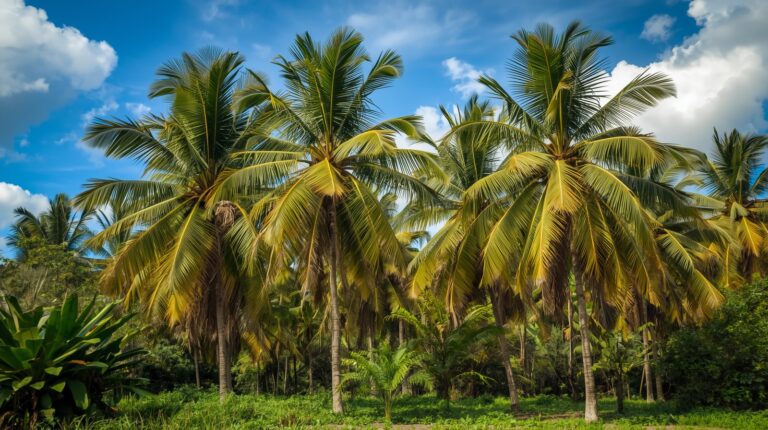
Selecting the right palm species is fundamental to gardening success in India. The country’s diverse climate zones—from tropical Kerala to semi-arid Rajasthan—mean that palm selection should be tailored to your specific regional conditions and intended use.
Best Palms for Home Gardens
The Areca Palm stands as India’s most beloved garden palm, prized for its feathery fronds and clumping growth habit that creates natural privacy screens. This native Indian species tolerates both full sun and partial shade, making it exceptionally versatile for gardens across the country. Mature Areca Palms reach heights of 6-8 meters, creating dramatic vertical accents without overwhelming smaller garden spaces.
The Fishtail Palm offers unique architectural interest with its distinctive wedge-shaped leaflets resembling fish tails. This fast-growing species adapts well to various Indian soil types and provides dense canopy coverage, making it excellent for creating shaded garden zones. Particularly popular in South Indian gardens, Fishtail Palms thrive in humid conditions and can tolerate brief waterlogging better than most palm species.
For gardeners seeking a statement piece, the Triangle Palm delivers with its unusual triangular crown formation where fronds emerge in three distinct planes. This Madagascar native has proven remarkably adaptable to Indian conditions, performing well from coastal Karnataka to inland Hyderabad. Its moderate size—typically reaching 4-6 meters—makes it suitable for medium-sized gardens where space constraints limit options.
The Bottle Palm presents an entirely different aesthetic with its distinctive swollen trunk that stores water, enabling it to survive drought periods. This slow-growing species works beautifully in xeriscaped gardens and contemporary landscapes where sculptural form takes precedence over lush foliage. In water-scarce regions of Gujarat and Rajasthan, Bottle Palms provide tropical elegance without demanding intensive irrigation.
Best Palms for Indoor Décor
Indoor palm cultivation has exploded in popularity across Indian metros, with homeowners and office designers recognizing their air-purifying qualities and low-maintenance requirements. The Parlor Palm tops the list for Indian interiors, tolerating the low-light conditions common in apartments while maintaining compact proportions rarely exceeding 2 meters indoors.
The Bamboo Palm—despite its name, a true palm—excels in Indian homes for multiple reasons. Its clustering habit creates lush, full appearance even in relatively small pots, while its exceptional air-purification capabilities remove formaldehyde and benzene from indoor environments. This species particularly suits homes in polluted urban centers like Delhi and Mumbai where indoor air quality concerns are paramount.
Lady Palms bring refined elegance to formal indoor spaces with their fan-shaped fronds and slow growth rate that minimizes maintenance. This Japanese native adapts remarkably well to India’s indoor conditions, tolerating air conditioning, low humidity, and irregular watering better than most palms. Corporate offices across Bangalore and Pune increasingly feature Lady Palms in reception areas and conference rooms.
For those seeking a palm with dramatic visual impact, the Kentia Palm delivers. Its gracefully arching fronds and tolerance for neglect make it ideal for busy Indian households. While slightly more expensive than other indoor varieties, Kentia Palms justify the investment through their longevity and resilience to common indoor stressors.
Fast-Growing Palms for Indian Climate
Gardeners seeking quick results should consider the Royal Palm, which can add 60-90 centimeters of height annually under optimal Indian conditions. This majestic species develops its characteristic smooth, gray trunk relatively quickly, creating instant tropical ambiance in gardens and resort landscapes. Royal Palms particularly thrive in South India’s consistent warmth and humidity.
The Christmas Palm offers rapid growth combined with ornamental appeal through its bright red fruit clusters that appear year-round. This Philippine native adapts seamlessly to Indian coastal conditions, establishing quickly when planted during monsoon season. Its moderate mature height of 5-7 meters suits residential gardens where towering specimens might overwhelm.
Foxtail Palms have gained tremendous popularity in recent years due to their incredibly fast growth—often exceeding one meter annually—and stunning foxtail-shaped fronds. These Australian natives perform exceptionally in warm, humid Indian climates, particularly across Kerala, Tamil Nadu, and coastal regions. Their self-cleaning nature, where dead fronds drop naturally, reduces maintenance requirements significantly.
For comprehensive information on these and other varieties suited to different Indian regions, explore our detailed Palm Varieties in India Guide that covers over 30 species with specific care requirements and regional recommendations.
To learn more about the most popular species grown in the country, see our detailed list of types of palm trees in India.
How to Grow Palm Trees in India: Step-by-Step Guide
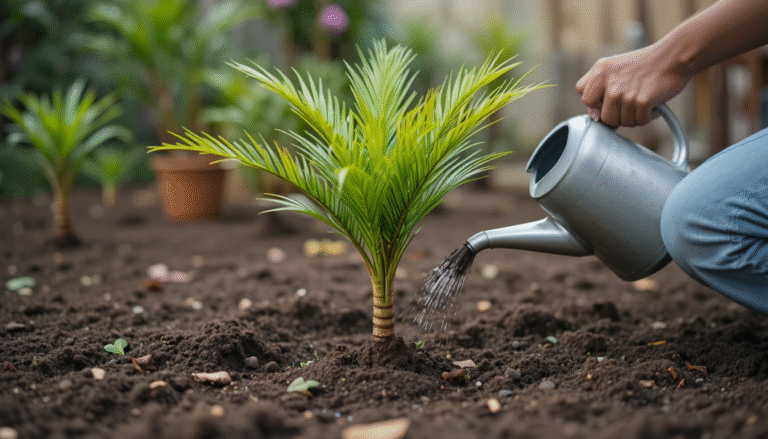
Successfully establishing palm trees requires understanding their unique growth requirements and adapting planting techniques to India’s seasonal weather patterns. Following these systematic steps significantly increases survival rates and ensures vigorous growth.
Choosing the Right Palm Species
Before purchasing any palm, conduct a thorough assessment of your site conditions. Measure available space both horizontally and vertically—many Indian gardeners underestimate mature palm sizes, leading to eventual transplantation challenges. Consider neighboring structures, overhead wires, and underground utilities when planning placement.
Climate compatibility trumps aesthetic preferences. Research your area’s USDA hardiness zone equivalent (most of India ranges from zones 9-12) and select species proven in similar conditions. Consult local nurseries about their best-performing varieties—nursery owners possess invaluable knowledge about which palms thrive in your specific microclimate.
Assess your maintenance commitment realistically. Some palms demand regular care including frequent fertilization and careful watering schedules, while others virtually care for themselves once established. First-time palm growers in India should start with proven, forgiving species like Areca or Bamboo Palms before attempting more demanding varieties.
Planting Method (Pot & Ground)
Ground planting should ideally occur during India’s monsoon season (June-September) when consistent moisture and moderate temperatures facilitate root establishment. Dig a hole approximately twice the width of the root ball but only as deep—planting too deeply is a common fatal mistake with palms. The top of the root ball should sit at or slightly above ground level to prevent water accumulation around the trunk base.
For container planting, select pots with multiple drainage holes and dimensions appropriate to the palm’s mature root system. As a general rule, container diameter should be 3-5 centimeters larger than the root ball. Use a pot with depth sufficient for the palm’s root system—most palm roots extend downward rather than laterally, requiring deeper containers than many other plants.
Prepare a soil mixture combining equal parts garden soil, coarse sand, and well-aged compost or coconut coir. This blend provides the drainage palms demand while retaining adequate moisture between waterings. For container palms, adding perlite or pumice improves aeration and prevents compaction over time.
After positioning the palm, backfill gently while ensuring the plant remains vertical. Create a shallow basin around ground-planted palms to direct water toward roots during the critical establishment period. Water thoroughly immediately after planting to eliminate air pockets and ensure soil-to-root contact.
Watering Frequency by Season
Understanding seasonal water requirements prevents the two most common palm problems in India—overwatering during monsoons and underwatering during summer. During active growth periods (March-October), newly planted palms require deep watering 2-3 times weekly, while established specimens need thorough soaking once weekly.
Monsoon season demands careful water management. In regions receiving heavy rainfall, reduce or suspend supplemental watering entirely for ground-planted palms. However, container palms may require continued watering even during monsoons as pots dry quickly and rainfall alone often proves insufficient. Always check soil moisture before watering—the top 5 centimeters should feel dry to the touch.
Winter watering reduces dramatically across most of India. Palms enter semi-dormancy during cooler months, requiring water only every 10-14 days. Northern regions experiencing cold winters should water during warmer afternoon hours to prevent root chilling from cold water application.
The “deep and infrequent” watering principle applies to established palms year-round. This approach encourages deep root development that anchors palms and provides access to deeper moisture reserves during drought. Shallow, frequent watering creates weak, surface-level root systems vulnerable to wind damage and water stress.
Fertilizer Schedule (NPK ratios for palms)
Palm trees have specific nutritional requirements distinct from other ornamental plants, particularly their need for micronutrients like manganese and magnesium. A balanced slow-release palm fertilizer with an NPK ratio of 8-4-12 or similar formulation with elevated potassium supports healthy frond development and disease resistance.
Apply palm fertilizer three times annually in India—at the onset of spring (March), mid-monsoon (July), and post-monsoon (October). This schedule aligns with the palm’s natural growth cycles, providing nutrients when trees actively produce new fronds. Broadcast granular fertilizer evenly around the palm’s drip line (the area beneath the outermost fronds) rather than concentrating near the trunk.
Supplement with magnesium sulfate (Epsom salt) twice yearly to prevent the yellowing fronds common in Indian soils deficient in this nutrient. Dissolve 2-3 tablespoons in water and apply around the root zone of each palm.
Container palms require more frequent fertilization due to nutrient leaching during watering. Use liquid palm fertilizer monthly during growing seasons, reducing to every six weeks during winter. Always water thoroughly before and after fertilizer application to prevent root burn.
Sunlight & Shade Requirements
Match sun exposure to species requirements precisely. Full-sun palms like Date and Royal Palms need minimum 6-8 hours of direct sunlight daily—less exposure results in weak, elongated growth and poor color. Position these species away from buildings or trees that cast afternoon shadows.
Partial-shade palms including Areca and Fishtail varieties perform optimally with morning sun and afternoon shade, particularly in regions where summer temperatures exceed 40°C. In such conditions, afternoon shade prevents leaf scorch while morning sun provides sufficient energy for photosynthesis.
Monitor sun exposure seasonally as the sun’s angle changes dramatically between summer and winter in India. A location receiving ideal morning sun in January might receive scorching midday sun in May, potentially requiring temporary shade cloth protection during extreme heat.
For indoor palms, window direction determines success. East-facing windows provide gentle morning light ideal for most species, while west-facing windows offer intense afternoon rays suitable only for sun-tolerant varieties. Rotate container palms quarterly to ensure even growth and prevent lopsided development.
Palm Tree Care & Maintenance Guide
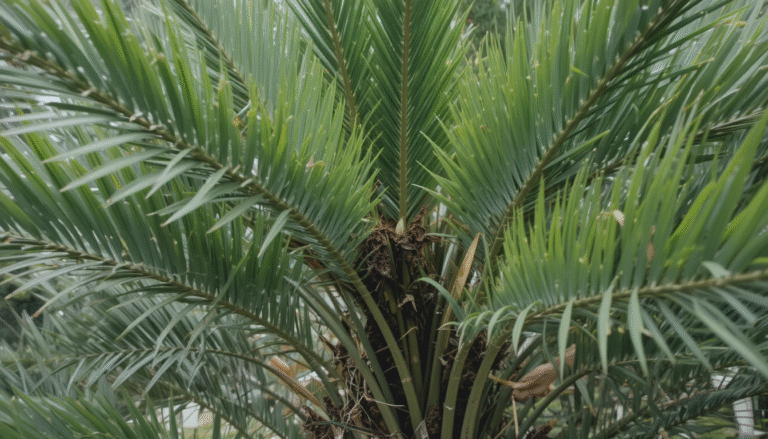
Proper ongoing care separates thriving palms from struggling specimens. Indian conditions present unique challenges including intense summer heat, heavy monsoons, and varied pest pressures that require specific maintenance approaches.
How to Prevent Browning of Palm Leaves
Leaf browning ranks as the most common palm complaint among Indian gardeners, typically resulting from multiple interconnected factors. Insufficient humidity causes tip browning, particularly on indoor palms and during hot, dry periods. Increase ambient moisture through daily misting, pebble trays filled with water beneath pots, or room humidifiers maintaining 50-60% relative humidity.
Fluoride and chlorine in Indian municipal water supplies contribute significantly to leaf tip burn. These chemicals accumulate in palm tissues over time, causing characteristic brown, crispy edges. Use filtered or rainwater for container palms when possible, or allow tap water to sit overnight before application, permitting chlorine to dissipate.
Nutrient deficiencies manifest as various browning patterns. Magnesium deficiency produces yellow bands along leaf margins that eventually brown, while potassium deficiency causes orange or brown spotting across frond surfaces. Regular fertilization with palm-specific formulations containing essential micronutrients prevents most deficiency-related browning.
Salt accumulation from overfertilization or hard water creates leaf burn resembling drought stress. Leach container soil thoroughly every few months by running water through pots for several minutes, allowing excess salts to flush out drainage holes.
Common Palm Diseases in India & Solutions
Fungal diseases thrive in India’s humid climates, with leaf spot diseases being particularly prevalent during monsoon season. Circular brown or black spots with yellow halos indicate fungal infection. Improve air circulation around palms, avoid overhead watering that keeps foliage wet, and remove affected fronds promptly. Copper-based fungicides provide effective treatment for severe infections.
Bud rot represents the most serious palm disease in India, caused by Phytophthora fungi during warm, wet conditions. The growing tip turns black and mushy, emitting a foul odor. Unfortunately, bud rot typically proves fatal once symptoms appear. Prevention through proper drainage and avoiding water accumulation in the crown region is essential.
Pink rot disease appears as pink-colored fungal growth on trunk and fronds, primarily affecting stressed palms. This disease often indicates underlying problems like overwatering or poor drainage. Correct cultural conditions and remove affected tissue. Apply systemic fungicide according to label directions for established infections.
Lethal yellowing disease has been reported in some Indian regions, transmitted by insect vectors. Affected palms show progressive yellowing of lower fronds moving upward, premature fruit drop, and eventual death. No cure exists, making prevention through resistant variety selection critical in affected areas.
Pruning Do’s and Don’ts
Palm pruning differs dramatically from pruning other trees—improper technique causes permanent damage and invites disease. Only remove completely brown, dead fronds. Removing green fronds, even yellowing ones, deprives the palm of nutrients as it reabsorbs resources from aging foliage.
Use sterilized pruning tools to prevent disease transmission between palms. Wipe blades with rubbing alcohol or a 10% bleach solution between cuts. Make clean cuts close to the trunk without damaging the trunk tissue. Ragged cuts or gouges in the trunk create entry points for pests and pathogens.
Never remove more than one to two fronds per year on young palms—they need maximum foliage for energy production. Mature palms tolerate removal of dead fronds as they appear, typically during annual maintenance sessions before monsoon season.
Avoid the outdated practice of “hurricane cutting” where all but a few fronds are removed. This extreme pruning weakens palms, reduces photosynthetic capacity, and actually increases storm damage risk by eliminating the natural flexibility that helps palms bend in winds.
Monsoon & Summer Care Tips
India’s monsoon season requires vigilant disease monitoring. Inspect palms weekly for fungal growth, particularly where fronds meet the trunk. Ensure excellent drainage around ground-planted palms—standing water for more than 24 hours signals drainage problems requiring soil amendment or relocation.
Container palms need positioning where monsoon rains drain away quickly rather than pooling around pots. Elevate containers on pot feet or bricks to enhance drainage. Reduce fertilization during heavy monsoon periods when rapid nutrient leaching occurs.
Summer care focuses on adequate irrigation and heat stress prevention. Apply 5-8 centimeter mulch layers around ground-planted palms to conserve moisture and moderate soil temperature. Organic mulches like coconut coir or leaf litter work excellently, breaking down gradually to enrich soil.
During extreme heat waves exceeding 42-45°C, even sun-loving palms appreciate temporary afternoon shade. Shade cloth providing 30-50% sun reduction protects palms without triggering etiolation. Remove shade once temperatures moderate to prevent acclimation issues.
Palm Tree Landscaping Ideas for Indian Homes

Palm trees offer remarkable versatility in landscape design, adapting to architectural styles from traditional Kerala homes to contemporary Mumbai penthouses. Strategic palm placement transforms ordinary gardens into sophisticated outdoor living spaces.
Palm Trees for Modern Minimalist Designs
Minimalist landscapes emphasizing clean lines, limited plant palettes, and architectural forms find perfect expression through carefully selected palms. Single-trunk specimens like Triangle Palms or Bottle Palms serve as living sculptures, their strong vertical forms contrasting beautifully against modern facades of glass and concrete.
Create dramatic repetition by lining driveways or property boundaries with uniformly spaced palms of identical species and size. This technique, popular in contemporary Indian developments, provides rhythm and formality while maintaining the uncluttered aesthetic minimalism demands. Royal Palms work particularly well for this application, their smooth gray trunks and symmetrical crowns reinforcing geometric precision.
In small urban gardens where space limits options, a single statement palm in a sleek container becomes the garden’s focal point. Surround with low groundcovers or decorative gravel, avoiding cluttered plantings that contradict minimalist principles. Foxtail Palms excel in this role, their compact form and distinctive foliage commanding attention without overwhelming limited square footage.
Night lighting transforms minimalist palm landscapes after dark. Uplighting trunk bases creates dramatic shadows and highlights architectural form. Position LED spotlights 30-45 centimeters from the trunk base, angling upward through the canopy for maximum effect.
Coastal & Resort-Style Landscaping
Coastal Indian homes from Goa to Pondicherry embrace relaxed, tropical aesthetics where multiple palm species intermingle with coastal-adapted plantings. Layer different palm heights and textures—tall Coconut Palms providing canopy, medium Areca Palms creating privacy, and low Sago Palms defining garden beds.
Resort-style designs feature palms in irregular, naturalized groupings rather than formal arrangements. Plant in odd-numbered clusters (groups of 3, 5, or 7) with varying species to mimic the random diversity of natural palm groves. Combine with tropical companions like Bird of Paradise, Heliconia, and Philodendron for lush, layered plantings.
Integrate seating areas within palm groves where dappled shade creates comfortable outdoor rooms. Position benches or daybeds beneath established palms where canopy density provides afternoon sun protection. Add container palms around seating perimeters to reinforce the tropical enclosure feeling.
Water features amplify coastal ambiance—palms reflected in pools or ponds deliver quintessential tropical imagery. Position Areca or Fishtail Palms near water edges where high humidity levels suit their preferences. Ensure adequate distance to prevent root interference with pond liners or pool infrastructure.
Using Palms for Pathways & Entryways
Palm-lined walkways create ceremonial approaches to home entrances, instantly elevating curb appeal. Select species with slim profiles like Lady Palms or Bamboo Palms for narrow side paths where broader specimens would obstruct passage. Uniform spacing—typically 1.5-2 meters apart—creates orderly progression without crowding.
Entry statements benefit from symmetrical palm pairs flanking doorways or gates. Choose matching specimens of identical size and form, positioning containers or planting beds equidistant from the entrance focal point. This classical approach suits traditional and colonial architecture prevalent across Indian metros.
For longer driveways or compound approaches, alternate palm species create visual interest while maintaining cohesive tropical theming. Pair Royal Palms with Christmas Palms, alternating every 3-4 meters. The height contrast and varying foliage textures prevent monotony while preserving the ordered feeling appropriate for formal approaches.
Pathway lighting integrated with palm plantings enhances evening safety and ambiance. Install low-voltage path lights between palms rather than directly illuminating trunks, creating gentle ground-level illumination that guides movement without harsh glare.
Small Palms for Balcony & Terrace Gardens
Urban Indian gardeners increasingly transform balconies and terraces into palm-filled retreats. Container selection proves critical—choose frost-resistant materials like fiberglass or resin that withstand temperature extremes and won’t crack during monsoons. Ensure containers have multiple large drainage holes and include attached saucers to protect flooring from water damage.
Parlor Palms excel on north or east-facing balconies receiving limited direct sun. Their compact size rarely exceeds 1.5 meters in containers, making them suitable even for small apartment balconies. Group three Parlor Palms in varying heights for visual interest rather than relying on a single specimen.
Lady Palms provide excellent vertical screening for balconies and terraces requiring privacy from neighboring units. Their dense clustering habit creates effective visual barriers while tolerating the reflected heat and wind exposure common in high-rise locations. Position containers along balcony edges or use as living partitions to define outdoor zones.
Kentia Palms bridge indoor-outdoor spaces, moving seamlessly between climate-controlled interiors and protected balconies. In temperate regions, transition Kentias outdoors during favorable months (September-February), returning them inside as summer heat intensifies. This seasonal rotation maintains optimal growing conditions year-round.
Palm Tree Benefits & Uses You Should Know
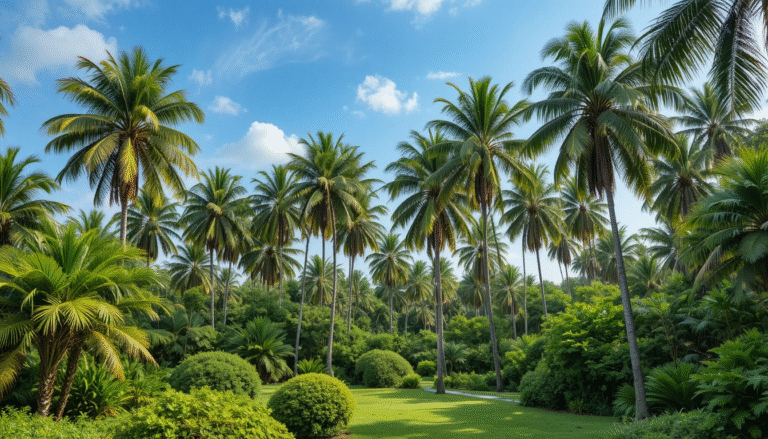
Beyond their ornamental value, palm trees contribute environmental and cultural benefits that enhance their appeal for Indian gardeners and landscapers. Understanding these advantages helps appreciate palms as functional elements rather than merely decorative ones.
Environmental Benefits
Palm trees sequester significant atmospheric carbon throughout their decades-long lifespans. A mature Royal Palm or Date Palm can absorb 20-30 kilograms of carbon dioxide annually while releasing oxygen, contributing to cleaner urban air. In India’s rapidly urbanizing metros where air quality concerns mount, increasing palm populations in residential and public landscapes offers meaningful environmental benefits.
Soil erosion control represents another crucial palm contribution, particularly in coastal regions vulnerable to monsoon washing. Palm root systems, while less extensive than many tree species, effectively stabilize soil on slopes and embankments. Coastal palms like Coconut Palms protect inland areas from salt spray and wind erosion while their dropped fronds create natural mulch that reduces surface erosion.
Temperature moderation in urban heat islands occurs through palm transpiration and shade provision. Strategically planted palms reduce building temperatures by 3-5°C, decreasing air conditioning loads and energy consumption. South and west-facing walls benefit most from palm shading, though species selection should account for mature size to avoid eventual structure contact.
Palm trees support biodiversity by providing habitat for various bird species, particularly in urban areas where natural forest habitats have diminished. Palm crowns offer nesting sites for species like mynas, parakeets, and doves, while fruiting palms provide food sources. Creating palm-rich gardens contributes to urban wildlife corridors essential for maintaining avian populations.
Vastu & Aesthetic Benefits
Vastu Shastra, the traditional Indian science of architecture and design, regards certain palm species as auspicious for home environments. Areca Palms specifically receive positive recognition for bringing prosperity and positive energy, making them popular in entry courtyards and near main doorways. The vertical growth pattern symbolizes upward mobility and growth in both spiritual and material dimensions.
Aesthetically, palms introduce year-round structure to Indian gardens where many flowering plants perform seasonally. Unlike deciduous trees that shed leaves during winter months, palms maintain their form and color throughout the year, ensuring garden visual interest across all seasons. This evergreen nature proves particularly valuable in formal landscapes where consistency matters.
The sound of wind rustling through palm fronds contributes acoustic benefits often overlooked in garden design. This gentle natural sound masks urban noise pollution, creating more peaceful outdoor environments. Larger palms like Royal or Coconut varieties generate particularly pleasant rustling during evening breezes, enhancing garden ambiance during outdoor entertaining.
From a property value perspective, mature, well-maintained palms significantly boost real estate appeal. Indian home buyers increasingly value established landscaping, with tropical and resort-style gardens commanding premium prices. Professional landscaping featuring palms can increase property values by 15-20% according to recent real estate studies in metropolitan markets.
Air-Purifying Palm Species
NASA’s Clean Air Study identified several palm species as exceptional air purifiers, removing toxins like formaldehyde, benzene, and trichloroethylene from indoor environments. Bamboo Palms ranked among the study’s top performers, eliminating significant quantities of formaldehyde—a common indoor pollutant from furniture, carpets, and building materials prevalent in Indian homes.
Areca Palms, beyond their aesthetic appeal, function as natural humidifiers, transpiring significant moisture into indoor air. This characteristic proves particularly beneficial during India’s dry winter months when indoor heating (in northern regions) or air conditioning creates excessively low humidity. A single large Areca Palm can transpire up to one liter of water daily, materially improving indoor air quality and comfort.
Lady Palms demonstrate broad-spectrum toxin removal capabilities, effectively filtering multiple pollutants simultaneously. Their slow growth rate means less maintenance while their tolerance for low light makes them practical for offices and homes where windows are limited. Studies indicate that one medium-sized Lady Palm can purify air in approximately 150 square feet of space.
For maximum air purification benefits, position palms in rooms where family members spend considerable time—living rooms, bedrooms, and home offices. Maintain clean fronds by wiping with damp cloths monthly, removing dust that inhibits photosynthesis and reduces air-cleaning efficiency. Healthy, actively growing palms provide superior air purification compared to stressed or dormant specimens.
Palm Tree Price Guide in India
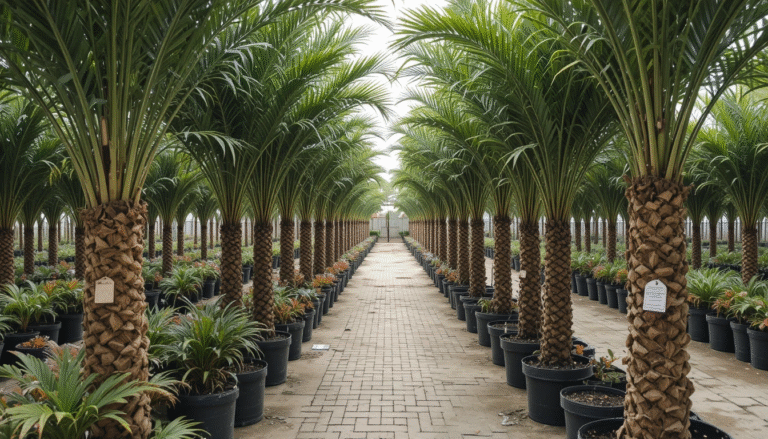
Understanding palm pricing helps gardeners budget appropriately and make informed purchasing decisions. Multiple factors influence costs including species, size, source, and regional availability.
Price Range Based on Species
Entry-level palm species like Areca and Bamboo Palms start around ₹200-500 for small specimens (30-45 centimeters), making them accessible for most gardeners. These popular varieties benefit from widespread cultivation across India, ensuring good availability and competitive pricing. Larger specimens in the 1-1.5 meter range typically cost ₹1,500-3,000 depending on fullness and overall quality.
Mid-range palms including Triangle, Foxtail, and Christmas varieties command ₹1,000-2,500 for young plants, escalating to ₹5,000-12,000 for established specimens exceeding 2 meters. These prices reflect moderate demand combined with longer growing periods required to produce market-ready plants.
Premium palm species such as Royal, Bismarck, and Date Palms start at ₹3,000-5,000 for juvenile plants, with mature specimens commanding ₹15,000-50,000 or more. Landscape-grade Royal Palms exceeding 4-5 meters occasionally reach ₹1,00,000+ in metropolitan markets where established specimens are scarce and demand runs high.
Rare or imported varieties including Kentia Palms and certain fan palm species often require special ordering, with prices starting around ₹5,000 for small plants. Import restrictions and limited domestic propagation keep these varieties expensive, though growing demand is gradually expanding availability.
Nursery vs Online Pricing
Traditional brick-and-mortar nurseries typically offer palm prices 10-30% higher than online sources, reflecting overhead costs including land, labor, and inventory management. However, nursery purchases provide significant advantages—personal selection of specific specimens, immediate availability, and expert cultivation advice from experienced nursery staff.
Online plant retailers have proliferated across India in recent years, offering home delivery of palms nationwide. Pricing generally undercuts physical nurseries by 15-25%, though shipping costs for larger specimens can offset savings. Online purchases carry additional risks including transit damage, substitutions of different varieties than ordered, and inability to assess plant quality before purchase.
Bulk purchases for landscaping projects warrant direct nursery negotiation. Contractors and landscapers routinely secure discounts of 20-40% when ordering multiple palms, particularly if accepting slightly smaller or less-perfect specimens acceptable for mass plantings. Building relationships with wholesale nurseries near metropolitan areas provides access to best pricing and first selection of new inventory.
Seasonal pricing fluctuations affect availability and cost. Monsoon season (June-September) sees peak prices as demand increases among gardeners eager to plant when conditions favor establishment. Winter months often bring modest price reductions as nurseries clear inventory before spring growing season.
Cost of Palm Tree Maintenance
Annual maintenance costs for palms remain remarkably low compared to other ornamental trees. Basic care including fertilizer, pest control products, and occasional pruning supplies typically totals ₹300-800 annually per palm for home gardeners performing their own maintenance.
Professional maintenance services charge ₹500-1,500 per palm annually for basic care packages including quarterly fertilization, pest monitoring, and seasonal pruning. Premium services offering monthly monitoring, specialized treatments, and emergency care range ₹2,000-5,000 annually per specimen.
Container palm maintenance costs run slightly higher due to more frequent watering needs and annual repotting requirements. Factor ₹200-500 every 2-3 years for fresh potting mix and possibly larger containers as palms outgrow existing pots. Professional repotting services for large container palms range ₹800-2,000 depending on specimen size and container weight.
Irrigation system installation for palm groves represents a one-time investment of ₹8,000-25,000 for automated drip systems serving 10-20 palms. While substantial initially, automated irrigation reduces long-term water waste and labor costs while ensuring consistent moisture that promotes optimal palm health.
Indoor Palm Trees for Homes & Offices
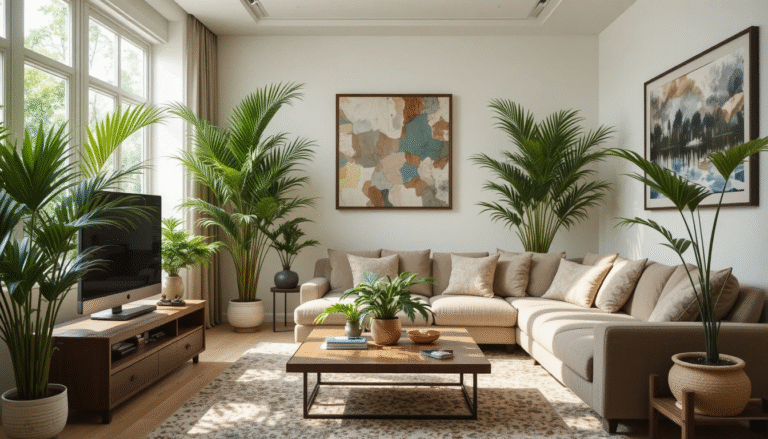
Indoor palm cultivation has become increasingly sophisticated in India as understanding of interior growing conditions improves. Success requires matching species to available light and committing to consistent care routines.
Best Low-Light Palms
Parlor Palms reign supreme for low-light Indian interiors, tolerating conditions as dim as 150-250 foot-candles—roughly equivalent to bright ambient light without direct sun. These Central American natives naturally grow under dense rainforest canopies, pre-adapting them to the limited light in apartments, offices, and interior rooms distant from windows.
Kentia Palms rank second for low-light tolerance, handling slightly brighter conditions than Parlor Palms while maintaining larger proportions that create stronger visual impact. Indian offices increasingly feature Kentia Palms in reception areas and conference rooms where architectural lighting provides primary illumination. Their elegant arching fronds soften institutional environments while requiring minimal maintenance.
Lady Palms adapt well to low light while offering unique fan-shaped foliage that contrasts beautifully with the pinnate fronds of other palm species. Their slow growth rate—often adding only 15-20 centimeters annually—means minimal repotting and pruning, appealing to busy professionals seeking low-maintenance greenery.
Bamboo Palms tolerate somewhat brighter low-light conditions, preferring locations receiving at least 200-400 foot-candles. Position these near north-facing windows or in spaces with consistent fluorescent lighting. Their clustering growth habit creates full, lush appearance even in challenging conditions.
Palms for Air Purification
Bamboo Palms lead air purification rankings among commonly available Indian palms, removing formaldehyde at rates exceeding most houseplants. Place these palms in newly renovated spaces where off-gassing from paints, adhesives, and furniture releases high formaldehyde concentrations. A single 1.5-meter Bamboo Palm can measurably improve air quality in rooms up to 200 square feet.
Areca Palms combine air purification with humidification, addressing multiple indoor air quality concerns simultaneously. Indian homes relying heavily on air conditioning often suffer excessive dryness, causing respiratory discomfort and dry skin. Areca Palms naturally humidify surrounding air through transpiration while filtering benzene and trichloroethylene.
Lady Palms demonstrate broad-spectrum toxin removal, simultaneously filtering multiple volatile organic compounds common in Indian homes and offices. Studies indicate consistent Lady Palm presence can reduce indoor air pollutants by 20-30% over several months, creating healthier living and working environments.
For optimal air purification results, maintain minimum one medium palm (1-1.5 meters) per 100 square feet of living space. Increase density in rooms where family members spend extended periods or in home offices where air quality directly impacts productivity and wellbeing.
Care Checklist for Indoor Palms
Light assessment should occur before purchasing indoor palms. Measure actual light levels using a light meter smartphone app—eye perception often overestimates available brightness. Match palm species precisely to measure light levels rather than guessing based on subjective assessment.
Watering indoor palms requires finger-testing soil moisture before each session. Insert your finger 5 centimeters into soil—if it feels moist, delay watering regardless of schedule. Overwatering kills more indoor palms than all other factors combined, particularly during cooler months when growth slows and water consumption decreases.
Humidity maintenance proves challenging in air-conditioned Indian homes and offices. Mist indoor palms daily during dry seasons, or group multiple plants together where transpiration from the collection raises local humidity. Pebble trays—shallow dishes filled with pebbles and water placed beneath pots—provide constant humidity without risking overwatering.
Monthly frond cleaning with damp cloths removes dust that blocks stomata and reduces photosynthetic efficiency. This simple practice dramatically improves indoor palm health while enhancing appearance. Avoid commercial leaf-shine products which clog leaf pores and create unnatural glossy appearance.
Rotation ensures even growth and prevents lopsided development toward light sources. Rotate containers a quarter turn weekly so all sides receive equal light exposure over time. This practice maintains symmetrical crown development and prevents etiolation of shaded foliage sections.
Temperature consistency matters more than specific temperature ranges for most indoor palms. Avoid positioning near heat sources, air conditioning vents, or frequently opened exterior doors where temperature fluctuations stress plants. Maintain temperatures between 18-26°C for optimal year-round performance.
Palm Tree Troubleshooting Guide
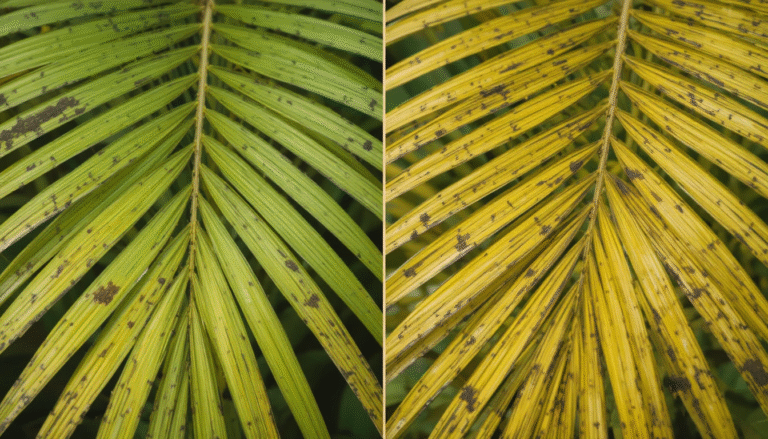
Even well-maintained palms occasionally develop problems. Rapid diagnosis and appropriate response minimize damage and support quick recovery.
Yellow Leaves
Yellowing lower fronds represent natural aging in healthy palms. As new fronds emerge, oldest fronds gradually yellow and brown before dropping. This cyclical process requires no intervention—allow natural senescence to complete and remove only completely brown fronds.
Widespread yellowing affecting multiple fronds simultaneously indicates nutritional deficiency, most commonly nitrogen shortage. Apply balanced palm fertilizer according to package directions, ensuring even distribution around the drip line. Yellowing should gradually cease as nutrients become available, though affected fronds won’t regain green color.
Magnesium deficiency produces distinctive yellowing—broad yellow bands along frond margins while central portions remain green. This condition, extremely common in Indian palms, responds quickly to Epsom salt application. Dissolve 2 tablespoons in 4 liters of water and apply monthly until symptoms cease.
Yellowing accompanied by wilting or drooping suggests root problems, potentially from overwatering, poor drainage, or root rot. Examine soil moisture and drainage. For container palms, check that drainage holes aren’t blocked and that saucers aren’t retaining water. Severely affected palms may require repotting into fresh, well-draining soil after removing diseased roots.
Drooping Fronds
Water stress, either excessive or insufficient, commonly causes frond drooping. Feel soil to determine which extreme applies. Dry soil requires thorough watering until moisture emerges from drainage holes. Waterlogged soil needs drainage improvement or watering reduction. For chronically wet conditions, consider transplanting to better-draining location.
Sudden temperature drops trigger temporary drooping, particularly in species sensitive to cold. This commonly affects palms in northern India during unexpected cold snaps or when air conditioning directly blasts indoor specimens. Move affected palms away from cold sources and protect outdoor palms with frost cloth during extreme weather.
Root-bound conditions in container palms cause drooping despite adequate water. Check whether roots circle the pot’s interior or emerge from drainage holes. Repot into containers 5-8 centimeters larger in diameter using fresh potting mix. Root-bound palms often revive dramatically within weeks of repotting.
Pest infestations including scale or mealybugs weaken palms, causing fronds to droop and discolor. Inspect frond undersides and stem joints for small insects or sticky honeydew residue. Treat infestations with neem oil or insecticidal soap, repeating applications weekly for three weeks to eliminate pest life cycles.
Overwatering vs Underwatering Signs
Distinguishing between overwatering and underwatering prevents applying incorrect remedies that worsen problems. Both conditions cause yellowing and wilting, creating diagnostic confusion.
Overwatered palms develop yellow fronds that feel soft or mushy. Soil remains consistently wet, often with unpleasant odor indicating anaerobic conditions. The trunk base may show darkening or soft spots. Fronds yellow from the bottom upward, and affected fronds often droop dramatically.
Underwatered palms show brown, crispy frond tips and margins. Soil feels dry throughout the root zone. Fronds maintain structure despite yellowing—they become brittle rather than soft. Brown discoloration begins at frond tips and progresses inward. Lower fronds yellow first, but affected tissue stays firm.
Overwatering recovery requires immediate action. Reduce watering frequency dramatically and ensure excellent drainage. For potted palms, consider repotting into fresh, fast-draining soil after inspecting roots for rot (indicated by brown, mushy roots with foul odor). Remove all rotted roots before repotting.
Underwatering correction demands thorough, deep irrigation to rewet the entire root zone. Severely dried soil often becomes hydrophobic, repelling water. Combat this by watering slowly, allowing gradual absorption, or bottom-watering containers by setting pots in water-filled basins for 30-60 minutes.
FAQs on Palm Trees in India
How long do palm trees take to grow?
Growth rates vary dramatically by species. Fast-growing palms like Foxtail and Royal Palms can add 60-100 centimeters annually under optimal Indian conditions, reaching impressive heights within 5-7 years. Moderate-growth varieties including Areca and Christmas Palms typically add 30-45 centimeters yearly, requiring 8-12 years to achieve landscape maturity. Slow-growing species such as Lady Palms and Bottle Palms may grow only 10-20 centimeters annually, taking decades to reach mature proportions. Growth rates accelerate with optimal care—consistent fertilization, adequate water, and appropriate sunlight produce noticeably faster development compared to neglected specimens.
Which palms survive high heat?
Several palm species excel in India’s extreme summer temperatures exceeding 40-45°C. Date Palms demonstrate exceptional heat tolerance, thriving in desert-like conditions across Rajasthan and Gujarat with minimal irrigation once established. Bismarck Palms with their distinctive silver-blue fronds reflect heat effectively, performing well in full sun even during peak summer. Triangle Palms, Bottle Palms, and Mexican Fan Palms all tolerate high heat provided they receive adequate water. For extreme heat locations, avoid moisture-loving species like Fishtail Palms that struggle when temperatures consistently exceed 38°C.
Are palms good for indoor air quality?
Absolutely—multiple palm species rank among the most effective indoor air purifiers. Bamboo Palms remove formaldehyde, benzene, and trichloroethylene from indoor air while adding humidity that improves respiratory comfort. Areca Palms filter similar toxins while transpiring significant moisture, particularly beneficial in dry, air-conditioned Indian homes. Lady Palms demonstrate broad-spectrum air cleaning capabilities while tolerating the low-light conditions typical in interior spaces. Research suggests maintaining one medium-sized palm per 100 square feet of living space measurably improves indoor air quality over several months.
Conclusion
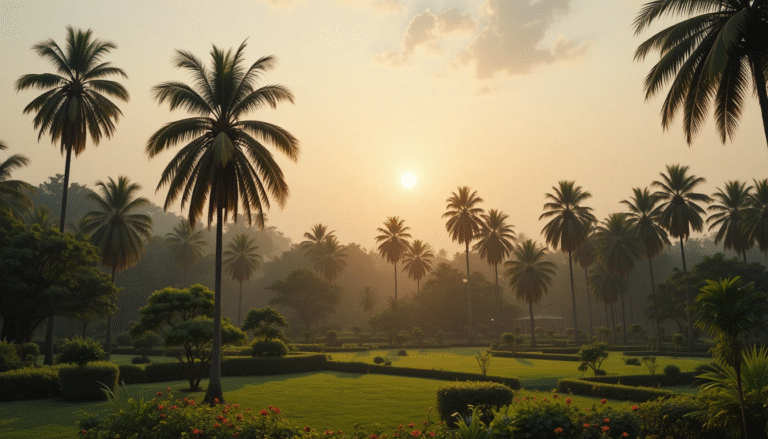
Palm trees represent some of the most rewarding plants for Indian gardens and interiors, combining tropical elegance with remarkable adaptability to diverse climate conditions. From the moisture-loving Areca Palms thriving in Kerala’s humidity to drought-tolerant Date Palms flourishing in Rajasthan’s arid heat, there’s a palm species suited to virtually every Indian garden.
Success with palms hinges on thoughtful species selection matching your specific conditions, proper planting techniques that establish strong root systems, and consistent care addressing India’s seasonal weather variations. Whether you’re creating a minimalist modern landscape, resort-style tropical paradise, or simply adding a touch of green to your apartment balcony, palms offer versatile solutions.
The environmental benefits palms provide—carbon sequestration, air purification, and urban heat reduction—make them increasingly valuable in India’s rapidly urbanizing landscape. Combined with their year-round visual appeal and relatively low maintenance requirements, palms deserve consideration in any Indian garden plan.
For a complete list of all varieties grown in the country, read our full guide on Palm Varieties in India.
Ready to explore more plant guides and landscaping inspiration? Visit Greenarium for comprehensive resources on creating and maintaining beautiful, thriving gardens suited to Indian conditions. Our expert guides cover everything from plant selection to seasonal care, helping you cultivate the garden of your dreams.
Whether you’re planning a complete landscape transformation or simply want to add your first palm, we’re here to support your gardening journey with reliable, region-specific advice. Explore our plant guides today and discover the perfect additions for your green space—or contact our landscaping services team to bring professional expertise to your outdoor transformation project.
Pingback: Top Palm Varieties in India: Complete Guide to Types, Uses & Care