
Can a simple outdoor space be transformed into a serene oasis with just a few home gardening ideas?
The answer lies in understanding the art of home gardening, which not only beautifies your surroundings but also creates a sustainable and peaceful environment. By applying a few simple principles, anyone can turn their outdoor area into a lush retreat.
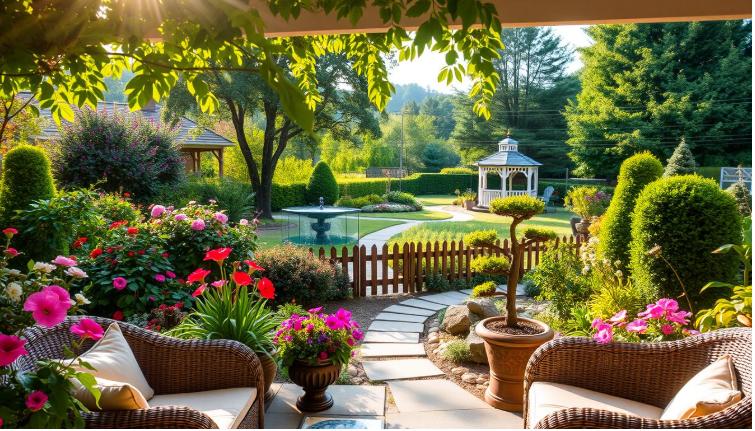
With the right guidance, home gardening becomes an enjoyable and rewarding experience. This article will guide you through the process, providing you with the necessary tools and inspiration to elevate your outdoor space.
Key Takeaways
- Simple ways to transform your outdoor space
- Essential home gardening ideas for beginners
- Tips for creating a sustainable garden
- How to maintain a peaceful outdoor environment
- Ideas for turning your garden into a lush oasis
Getting Started with Home Gardening in India
The journey to a thriving home garden in India begins with understanding the country’s diverse climate zones. India’s climate varies significantly from north to south and east to west, impacting the types of plants that can be grown in different regions.
Understanding Indian Climate Zones
India is broadly categorized into several climate zones, including tropical, subtropical, and temperate zones. Understanding these zones is crucial for selecting plants that are adapted to the local climate conditions.
Selecting the Perfect Garden Location
Once you’re familiar with your local climate zone, the next step is to choose the perfect location for your garden.
Sunlight Requirements
Most plants require at least 4-6 hours of direct sunlight per day. Observing your garden’s sunlight patterns will help you decide the best placement for your plants.
Space Considerations
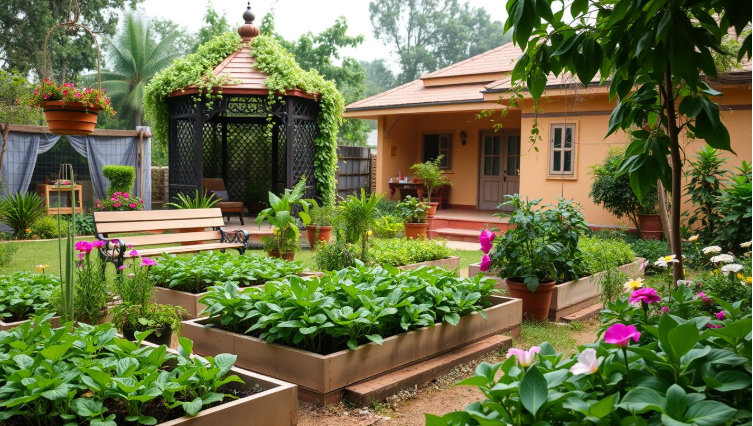
Assess the available space for your garden, considering both the current and potential future growth of your plants. Even small spaces can be utilized effectively with vertical gardening techniques.
Climate Zone | Suitable Plants | Special Considerations |
|---|---|---|
Tropical | Coconuts, Mangoes, Bananas | High humidity, heavy rainfall |
Subtropical | Guavas, Citrus fruits, Vegetables | Moderate temperatures, distinct seasons |
Temperate | Apples, Pears, Carrots | Cool winters, moderate summers |
By understanding your local climate zone and selecting the right location for your garden, you can create a thriving home garden in India. This foundation is crucial for a successful gardening journey.
Essential Home Gardening Tools for Beginners
To start gardening, one needs to invest in basic gardening tools. Having the right equipment not only makes gardening easier but also more enjoyable.
Must-Have Basic Tools
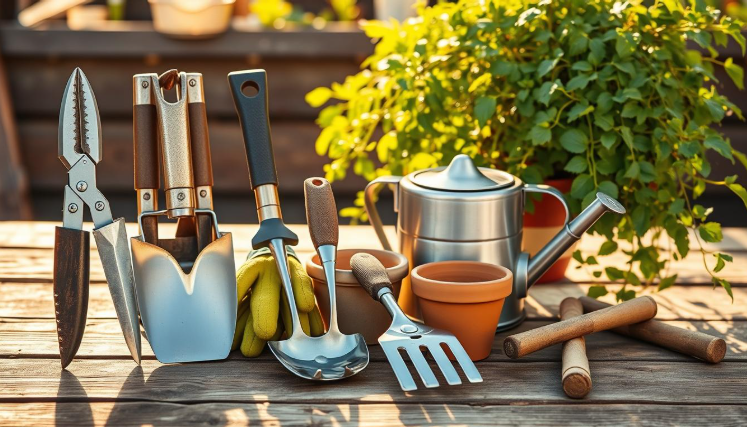
Every beginner gardener should have a few essential tools: a trowel for digging, pruners for trimming plants, a watering can or hose for irrigation, and gloves for protection. These basic tools are fundamental for maintaining a garden.
Affordable Tool Options in Indian Markets
In India, gardening tools are readily available at local nurseries and online stores. Brands like Kisan and Galaxy offer quality tools at affordable prices. Shopping during sales can also help reduce costs.
Tool Maintenance Tips
To extend the life of your gardening tools, clean them after use and store them in a dry place. Regular maintenance ensures they remain in good condition.
The Complete Home Gardening Guide for Indian Climate
Creating a thriving home garden in India’s diverse climate requires careful planning and the right techniques. India’s varied climate zones mean that gardeners need to be adaptable and informed to succeed.
Starting from Seeds vs. Seedlings
When beginning a home garden, one of the first decisions is whether to start plants from seeds or use seedlings. Starting from seeds can be cost-effective and allows for a wider variety of plants. However, it requires more time and care, especially during the germination phase.
On the other hand, seedlings provide a head start, as they are already a few weeks old when purchased. This method is more convenient but can be more expensive, especially for rare or exotic plants.
Planting Techniques for Different Plants
The technique used for planting varies significantly depending on the type of plant. Understanding these differences is crucial for a successful garden.
Vegetables and Herbs
For vegetables and herbs, it’s essential to prepare the soil with adequate nutrients. Proper spacing is also crucial to prevent overcrowding, which can lead to disease. For example, tomatoes and chilies require more space compared to herbs like basil or cilantro.
Flowering plants add color and vibrancy to any garden. When planting flowering species, soil quality and drainage are key factors. Most flowering plants prefer well-drained soil and adequate sunlight.
Fruit-Bearing Plants
Fruit-bearing plants, such as mango or citrus trees, require specific care. They need regular watering and fertilization. Pruning is also essential to maintain the shape of the tree and encourage fruiting.
By understanding the specific needs of different plants and adopting the right planting techniques, gardeners in India can enjoy a diverse and thriving home garden.
Soil Preparation and Maintenance Techniques
For a thriving garden, understanding soil preparation and maintenance techniques is essential. Soil is the foundation of any garden, providing the necessary nutrients for plants to grow. In India, where diverse climates and soil types exist, preparing the soil correctly can make a significant difference in gardening success.
Creating Nutrient-Rich Soil Mixes
Creating a nutrient-rich soil mix involves combining the right proportions of organic matter, such as compost, and other ingredients like sand or perlite to improve drainage. A well-balanced soil mix should retain moisture but also drain excess water to prevent root rot.
A simple mix can be made using equal parts of garden soil, compost, and sand. This blend provides a good balance of nutrients and drainage, suitable for most home gardening ideas.
Component | Proportion | Benefit |
Garden Soil | 1/3 | Provides basic nutrient structure |
Compost | 1/3 | Adds organic nutrients |
Sand | 1/3 | Improves drainage |
Composting Methods for Indian Households
Composting is a natural process that converts organic waste into a nutrient-rich fertilizer. In Indian households, composting can be done using kitchen waste and other organic materials. Effective composting requires maintaining a balance between carbon-rich and nitrogen-rich materials.
- Collect kitchen waste like vegetable peels and fruit rinds.
- Add dry leaves or straw to balance the carbon and nitrogen ratio.
- Maintain moisture and aerate the compost pile regularly.
Natural Fertilizers Available Locally
Besides composting, there are several natural fertilizers available locally in India that can enhance soil fertility. These include vermicompost, neem cake, and cow dung manure. Using these natural fertilizers not only improves soil health but also supports sustainable home gardening practices.
By focusing on soil preparation and maintenance, gardeners can create a healthy and productive garden. Implementing these techniques will support a bountiful harvest and contribute to a more sustainable gardening practice.
Watering and Irrigation Systems for Home Gardens
Managing water resources efficiently is key to successful home gardening. Effective irrigation systems ensure that plants receive the right amount of water, reducing waste and promoting healthy growth.
Water Conservation During Dry Seasons
During dry seasons, it’s crucial to conserve water. Techniques such as mulching and using drought-resistant plants can significantly reduce water consumption. Additionally, implementing rainwater harvesting systems can provide a sustainable source of water for your garden.
Monsoon Garden Protection
The monsoon season brings its own set of challenges, including waterlogging and soil erosion. To protect your garden, ensure proper drainage and consider using flood-resistant containers. This will help prevent damage to your plants and soil.
DIY Irrigation Solutions
Creating your own irrigation system can be cost-effective and efficient. Simple solutions like soaker hoses or drip irrigation kits can be easily set up at home. These systems deliver water directly to the roots, minimizing evaporation and runoff.
Creative Home Gardening Ideas for Limited Spaces
With a little creativity, even the smallest of spaces can be transformed into a lush garden oasis. Home gardening in urban areas can be challenging due to limited space, but there are numerous innovative solutions available.
Vertical Gardening for Urban Homes
Vertical gardening is an excellent way to maximize space. By using wall-mounted planters or trellises, you can grow a variety of plants, from herbs to flowering vines, without taking up valuable floor space.
Container Gardening for Apartments
Container gardening is another effective method for small spaces. Choose containers that fit your balcony or patio, and select plants that thrive in pots, such as succulents or leafy greens.
Terrace and Balcony Garden Designs
Terrace and balcony gardens can be both functional and beautiful. Consider space-efficient layouts that incorporate multi-level planters and multi-purpose garden furniture to create a cozy and inviting atmosphere.
Space-Efficient Layouts
A well-planned layout is crucial for small gardens. Use a mix of hanging baskets, wall planters, and tiered stands to make the most of your available space.
Multi-Purpose Garden Furniture
Multi-purpose furniture, such as storage benches or foldable tables, can help keep your garden organized and functional. Choose pieces that complement your garden’s style and provide additional functionality.
By implementing these creative home gardening ideas, you can enjoy a thriving garden even in the most limited of spaces.
Gardening Method | Space Requirement | Best for |
Vertical Gardening | Low | Urban Homes |
Container Gardening | Low to Medium | Apartments |
Terrace/Balcony Gardening | Medium | Homes with Terraces/Balconies |
“Gardening is a love affair with the earth, and it can be done anywhere, even in the smallest of spaces.”
Pest Management and Plant Health in Indian Gardens
Maintaining plant health is a top priority for home gardeners in India, where diverse pests and diseases can threaten garden productivity. Effective pest management is crucial for a thriving garden.
Identifying Common Indian Garden Pests
Indian gardens are susceptible to a variety of pests, including aphids, whiteflies, and caterpillars. Regular monitoring is essential to identify these pests early. Gardeners should look for signs such as discolored leaves, stunted growth, or visible insects.
Some common pests in Indian gardens include:
- Aphids, which can spread viral diseases
- Whiteflies, known to transmit diseases like yellow mosaic virus
- Caterpillars, which can cause significant leaf damage
Natural and Organic Pest Control Methods
Using natural and organic pest control methods is not only effective but also environmentally friendly. Neem oil and garlic sprays are popular choices among gardeners. These methods help control pest populations without harming beneficial insects.
Some effective organic pest control methods include:
- Using neem oil to control a wide range of pests
- Spraying garlic solutions to repel insects
- Encouraging beneficial insects like ladybugs and lacewings
Preventing Plant Diseases During Monsoon
The monsoon season brings relief from the heat but also poses challenges for gardeners due to increased humidity and rainfall. Proper drainage and air circulation are key to preventing fungal diseases that thrive in moist conditions.
Gardeners can prevent plant diseases during the monsoon by:
- Ensuring good air circulation around plants
- Removing weeds that can harbor diseases
- Using fungicides when necessary
By adopting these strategies, home gardeners in India can maintain healthy and productive gardens, even during challenging weather conditions. Participating in home gardening classes can also provide valuable insights and techniques for managing pests and diseases effectively.
Enjoying the Fruits of Your Gardening Journey
As you tend to your home gardening endeavors, the joy of watching your plants grow and flourish is unparalleled. The journey of creating and maintaining a home garden is rewarding, whether you’re harvesting fresh produce or simply appreciating the beauty of your garden.
Home gardening in India can be a fulfilling experience, especially when you see the fruits of your labor. With the right tools, techniques, and knowledge, you can enjoy a bountiful harvest and a serene outdoor space.
As you continue on your home gardening journey, remember to appreciate the small victories and don’t be discouraged by setbacks. With patience and dedication, your garden will become a haven of peace and productivity.
FAQs
What are the best home gardening ideas for small spaces?
For small spaces, consider vertical gardening, container gardening, and utilizing your balcony or terrace for gardening. These methods allow you to maximize your available space and still enjoy the benefits of home gardening.
What are the essential home gardening tools for beginners?
Beginners should start with basic tools such as a trowel, rake, watering can, and pruning shears. These tools are available at affordable prices in Indian markets, and knowing how to maintain them will extend their lifespan.
How do I choose the right plants for my home garden in India?
To choose the right plants, consider the local climate zone and the amount of sunlight your garden receives. For example, plants like basil and mint thrive in India’s warm climate, while chrysanthemums and marigolds are great for adding color.
What are some effective home gardening services or classes for learning more about gardening?
Look for local nurseries, gardening clubs, or online courses that offer home gardening classes. Many organizations provide workshops on topics like organic gardening, container gardening, and landscape design.
How can I prepare my soil for home gardening?
Preparing your soil involves creating nutrient-rich soil mixes and using composting methods suitable for Indian households. You can also use natural fertilizers available locally to enhance soil quality.
What are some creative ways to conserve water in my home garden?
To conserve water, consider implementing DIY irrigation solutions like drip irrigation or using rainwater harvesting systems. Mulching around plants also helps retain moisture in the soil.
How can I manage pests in my home garden naturally?
For natural pest management, identify common pests in your garden and use organic pest control methods such as neem oil or insecticidal soap. Maintaining healthy soil and plants also helps prevent pest infestations.
Pingback: Terrace Gardening: 7 Proven Tips for a Thriving Outdoor Oasis
Pingback: Garden Ideas to Beautify Your Home| 5 Best Ideas
Pingback: Gardening Designs: 10 Best Ideas to Enhance Your Landscape