
Why the Best Oxygen Plants Belong in Every Home?
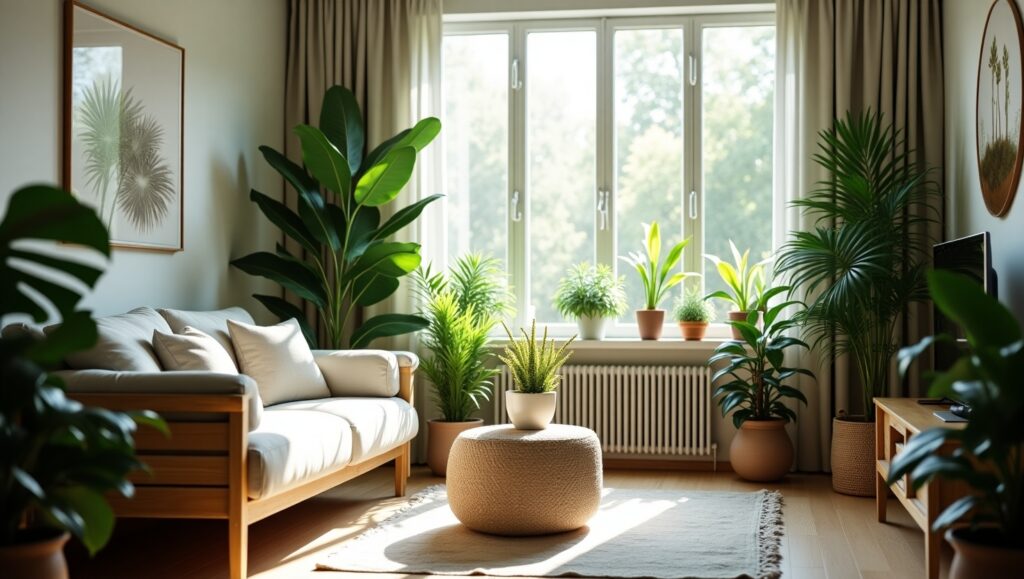
Indoor Air Quality Matters
Indoor air quality performs a crucial role in our typical health and well-being, but it’s frequently ignored. With people spending more than 90% of their time indoors — whether or not at home, in places of work, or public homes — the excellence of the air we breathe inside matters extra than ever. Poor indoor air can lead to an extensive range of health issues, from complications, fatigue, and inflammation of the eyes, nose, and throat to more critical situations like respiration illnesses and heart troubles.
The biggest culprits of indoor air pollution are risky natural compounds (VOCs) emitted from household cleaners, paints, plastics, and furnishings. Additionally, not unusual activities like cooking or the usage of scented candles can launch particulate matter and pollution into the air. In poorly ventilated spaces, carbon dioxide stages also can rise drastically, leading to decreased attention and productivity.
Moreover, in city environments or at some point of severe weather conditions, establishing home windows for clean air isn’t constantly an option. That’s where the significance of keeping best oxygen plants turns into even greater vitality. While air purifiers are a choice, many humans are turning to an extra herbal and sustainable answer — indoor vegetation.
The Role of Plants in Enhancing Oxygen Levels
Plants are not just decorative; they’re effective allies in creating a healthier indoor surroundings. Through the herbal method of photosynthesis, flowers soak up carbon dioxide and launch oxygen, notably enhancing the fine of the air around them. This oxygenation impact is particularly useful in closed environments in which air flow is limited.
Certain indoor flora go above and past mere oxygen production. Research from NASA’s Clean Air Study has proven that a few flowers can get rid of dangerous pollution like benzene, formaldehyde, and trichloroethylene from the air. These pollutants are generally located in synthetic constructing substances and household products, and their accumulation indoors can be dangerous over time.
Plants like Snake Plant, Areca Palm, and Peace Lily are mainly effective at both oxygenating the air and filtering out harmful substances. Some species additionally act as natural humidifiers with the aid of freeing moisture vapor, which facilitates in balancing indoor humidity — a key aspect in stopping breathing discomfort and dry pores and skin.
Furthermore, the psychological blessings of indoor greenery can not be not noted. Numerous research endorsees that being around plant life can lessen pressure, decorate mood, or even enhance cognitive features. So, even as these inexperienced partners work silently to purify the air and enhance oxygen ranges, additionally they make contributions to a more calming and inviting atmosphere.
By information the twin advantages of vegetation — as oxygen boosters and air purifiers — it’s clear why they’re becoming a popular desire for eco-aware individuals seeking to enhance their living and operating areas. In the sections beforehand, we’ll explore the great oxygen flora that permit you to breathe purifier, fresher air indoors.
Top 10 Oxygen-Producing Indoor Plants
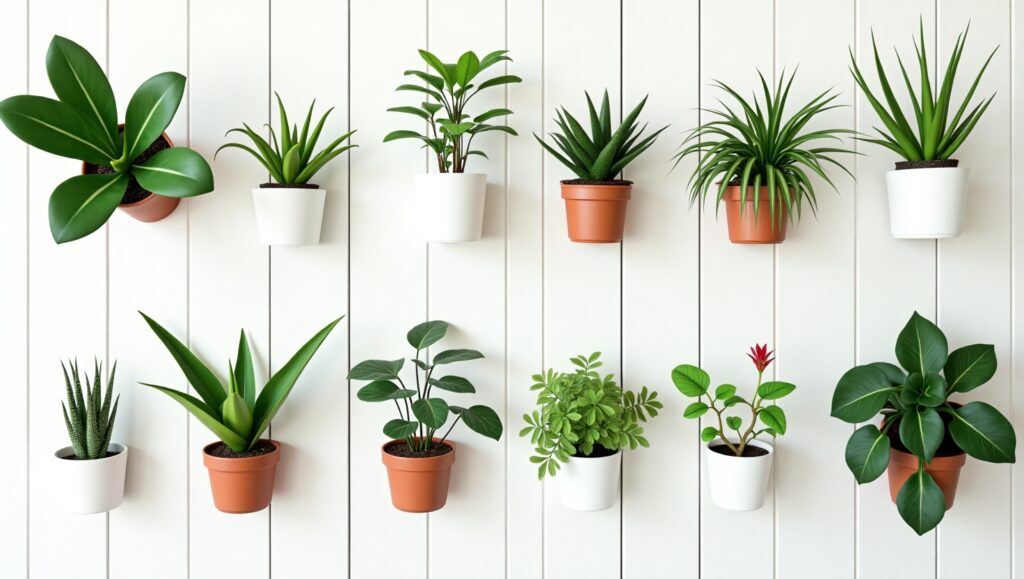
1. Snake Plant (Sansevieria trifasciata)
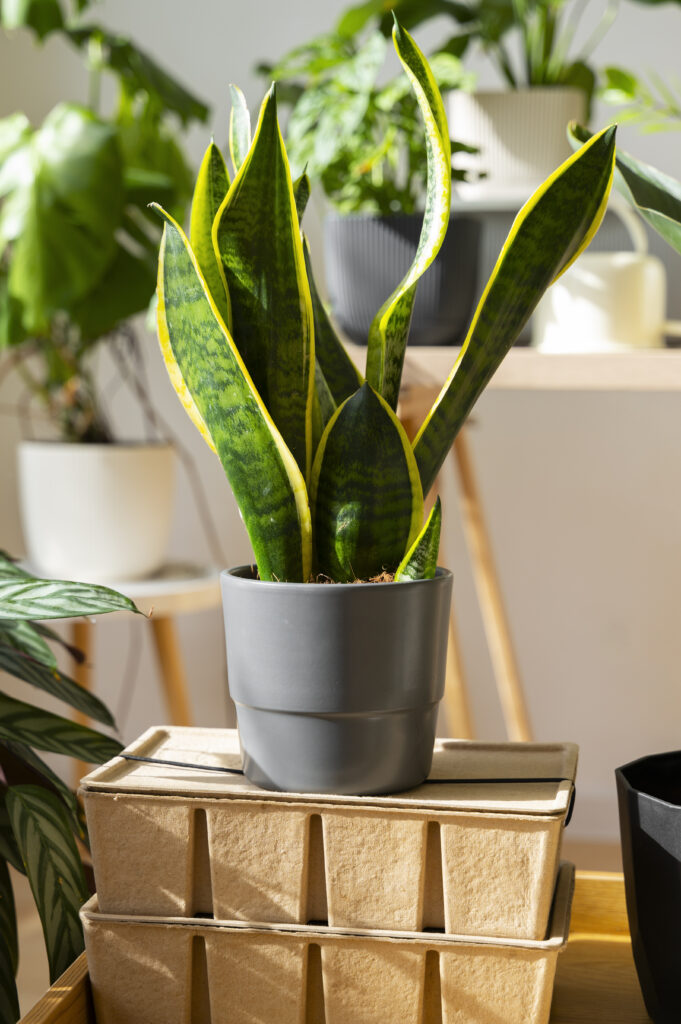
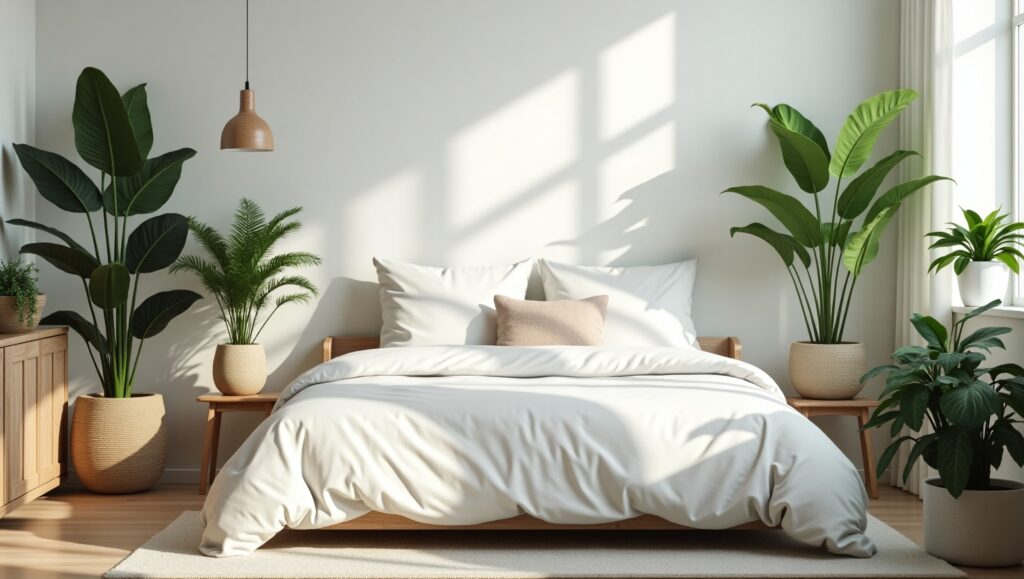
Also referred to as Mother-in-Law’s Tongue, the Snake Plant is one of the best oxygen plants. It’s specific for its potential to perform photosynthesis at night — freeing oxygen while you sleep, in contrast to maximum plants that accomplish that simplest in the course of the day. This makes it a fantastic preference for bedrooms. It’s extraordinarily low-preservation, tolerating low light and abnormal watering. In addition to oxygen, it also filters out dangerous toxins like formaldehyde, xylene, and toluene. Its tall, upright leaves also make it an elegant, area-saving choice for small apartments or painting desks.
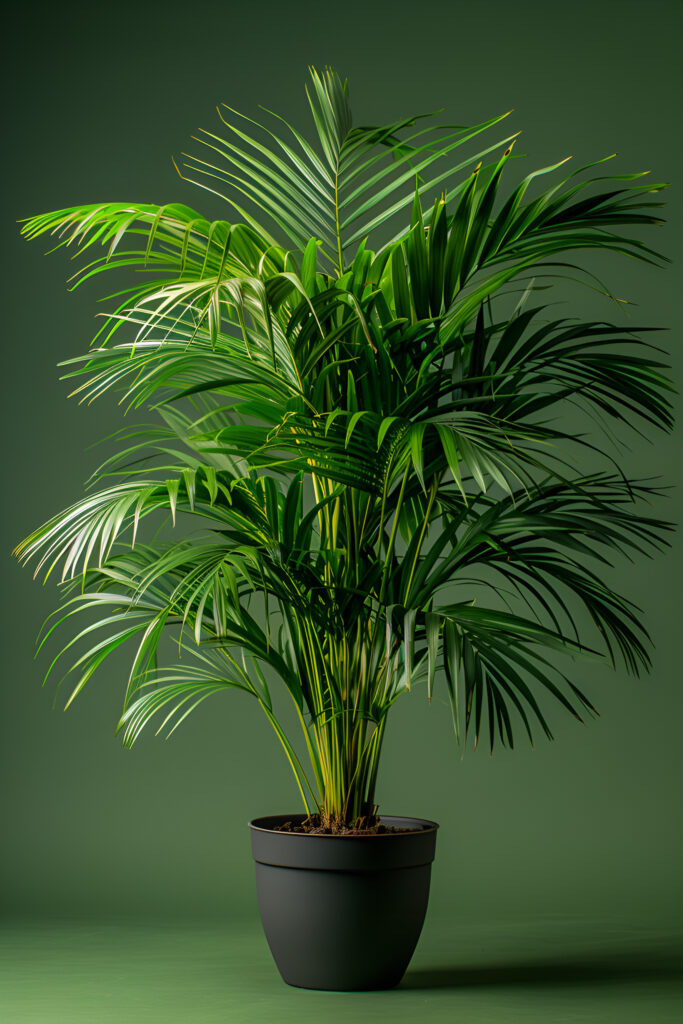
2. Areca Palm (Dypsis lutescens)
The Areca Palm isn’t a lovely decorative plant but additionally an extremely good natural air purifier. It releases large amounts of oxygen and also humidifies indoor air by means of transpiring water vapor. Native to tropical climates, it prospers in vibrant, oblique sunlight and desires ordinary watering. This plant can dispose of airborne pollutants like benzene and carbon monoxide, making it a great addition in your living room or workplace. Its feathery fronds upload a lush, tropical feel to interiors, making it both functional and ornamental.
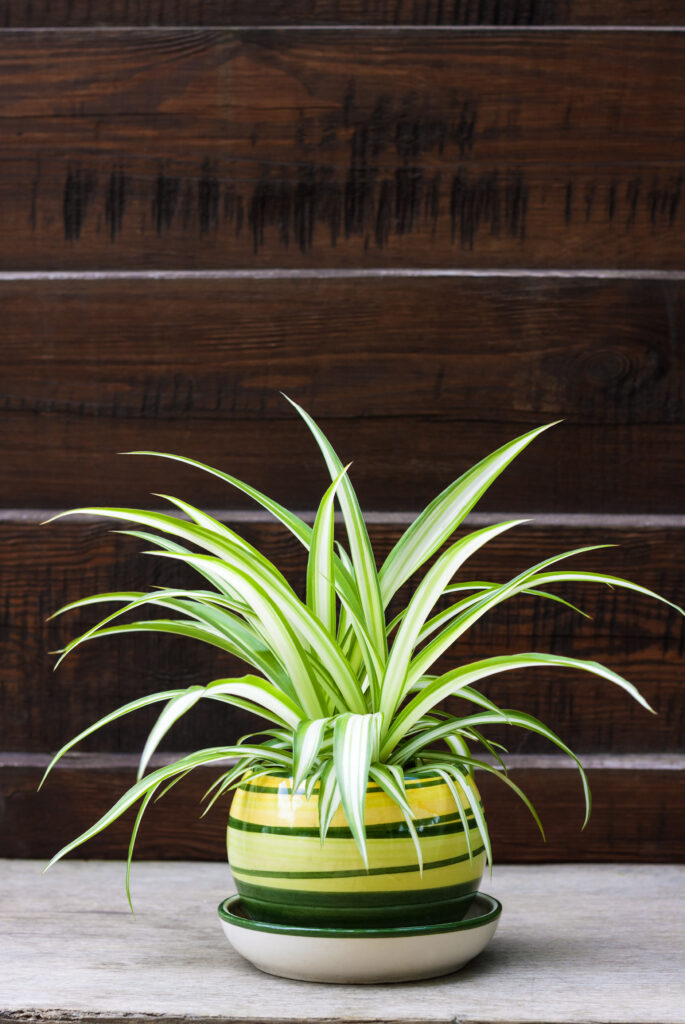
3. Spider Plant (Chlorophytum comosum)
The Spider Plant is a hardy, rapid-growing houseplant that is famous for its air-purifying abilities. It no longer best boosts oxygen but additionally eliminates pollutants like carbon monoxide, formaldehyde, and xylene. Ideal for novices, it thrives in indirect mildness and requires minimal care. Its arching leaves and offshoot “spiderettes” make it visually exciting. The Spider Plant is also non-toxic, making it a safe choice for households with pets or kids. Hang it in a basket or place it on a shelf to enjoy its complete aesthetic attraction.
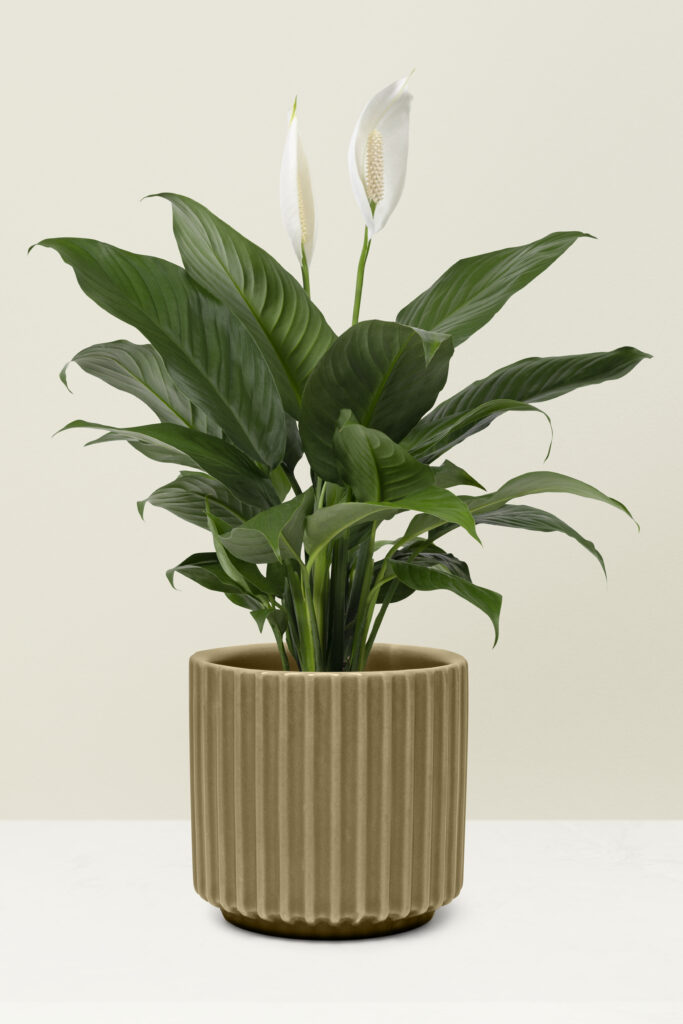
4. Peace Lily (Spathiphyllum)
Peace Lilies are fashionable flowering plants that purify indoor air and launch oxygen even in low light situations. According to NASA’s Clean Air Study, they may be most of the top flora for doing away with pollution like benzene, formaldehyde, and trichloroethylene. They decide on low to moderate mild and weekly watering. Their hanging white plant life and sleek inexperienced leaves upload beauty to any room. Note: Peace Lilies are mildly poisonous to pets if ingested, so keep them out of the reach of curious animals.
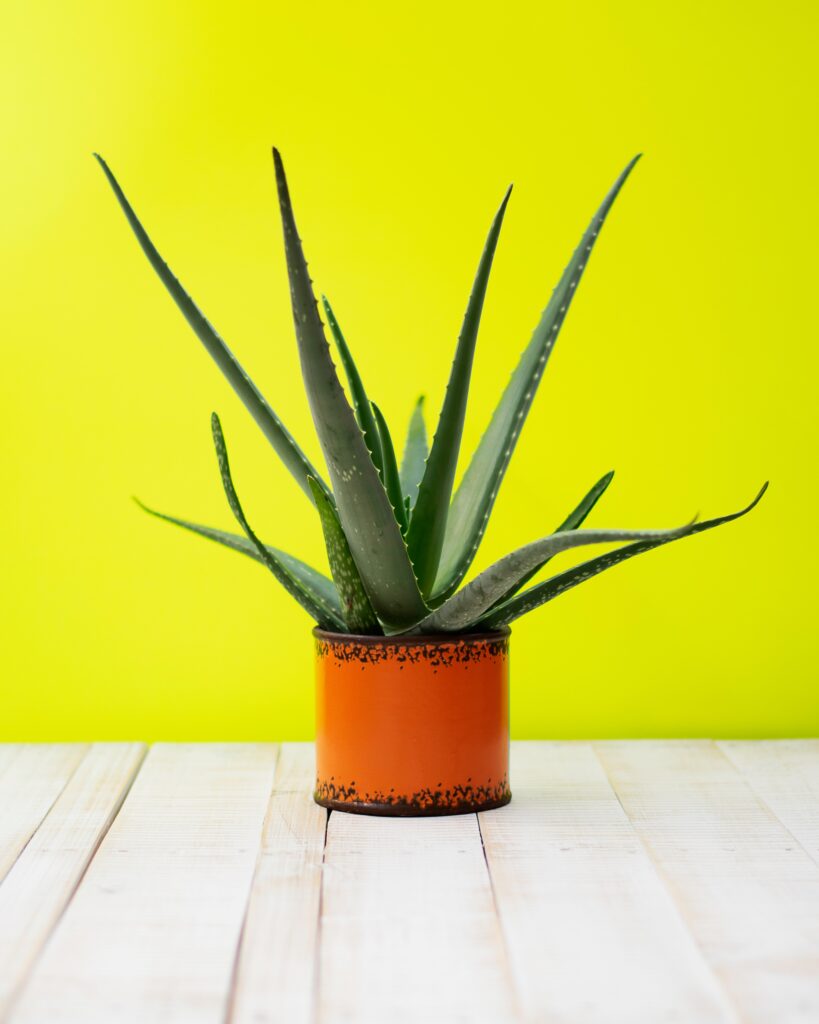
5. Aloe Vera
Best known for its medicinal houses, Aloe Vera additionally ranks high amongst oxygen-generating indoor flowers. During photosynthesis, it releases oxygen and gets rid of pollutants like formaldehyde and benzene. Aloe prefers shiny, indirect daylight and infrequent watering, making it a perfect plant for sunny window sills. In addition to its air-purifying blessings, the gel from Aloe Vera leaves may be used to treat minor burns, cuts, and pores and skin irritations — supplying you with each fitness and air satisfactory blessings in a single plant.
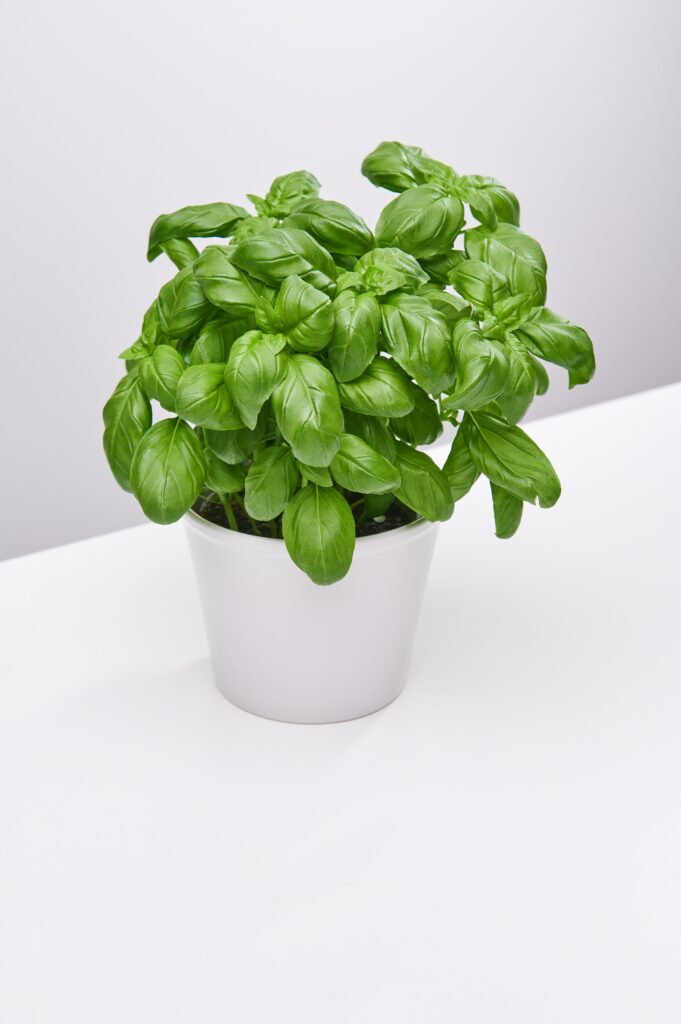
6. Tulsi (Holy Basil)
Tulsi, or Holy Basil, is revered in Ayurveda for its medicinal and spiritual importance. Scientifically confirmed to emit oxygen for up to 20 hours an afternoon, Tulsi additionally absorbs dangerous gases like carbon dioxide and sulfur dioxide. It’s easy to develop in pots and prefers adequate sunlight and slight watering. Besides purifying air, its leaves may be brewed into natural tea for immunity boosting. With its religious and sensible benefits, Tulsi is a should-have for each wellness and environmental motives.
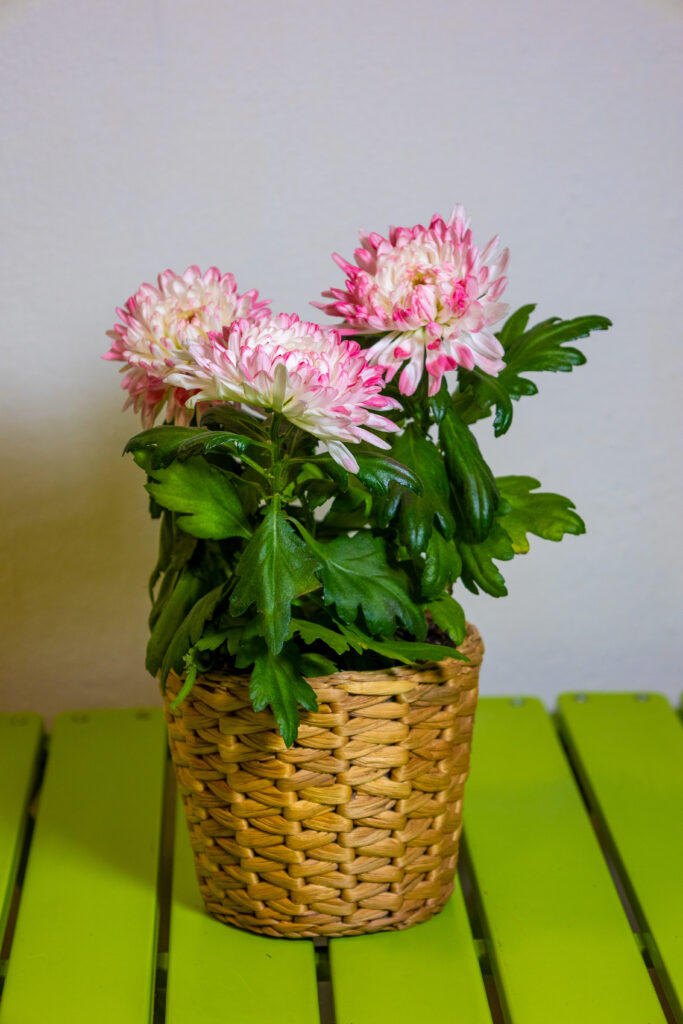
7. Gerbera Daisy (Gerbera jamesonii)
Gerbera Daisy is a cheerful, flowering plant that produces high tiers of oxygen, in particular at night, making it suitable for bedrooms. It’s also powerful at getting rid of toxins like benzene and trichloroethylene. Gerberas select bright mild and slight watering. Though barely greater traumatic in terms of care, their colourful blooms in purple, yellow, red, and orange make them worth the effort. These daisies now not simply ease your air but additionally add a splash of colour and pleasure in your space.
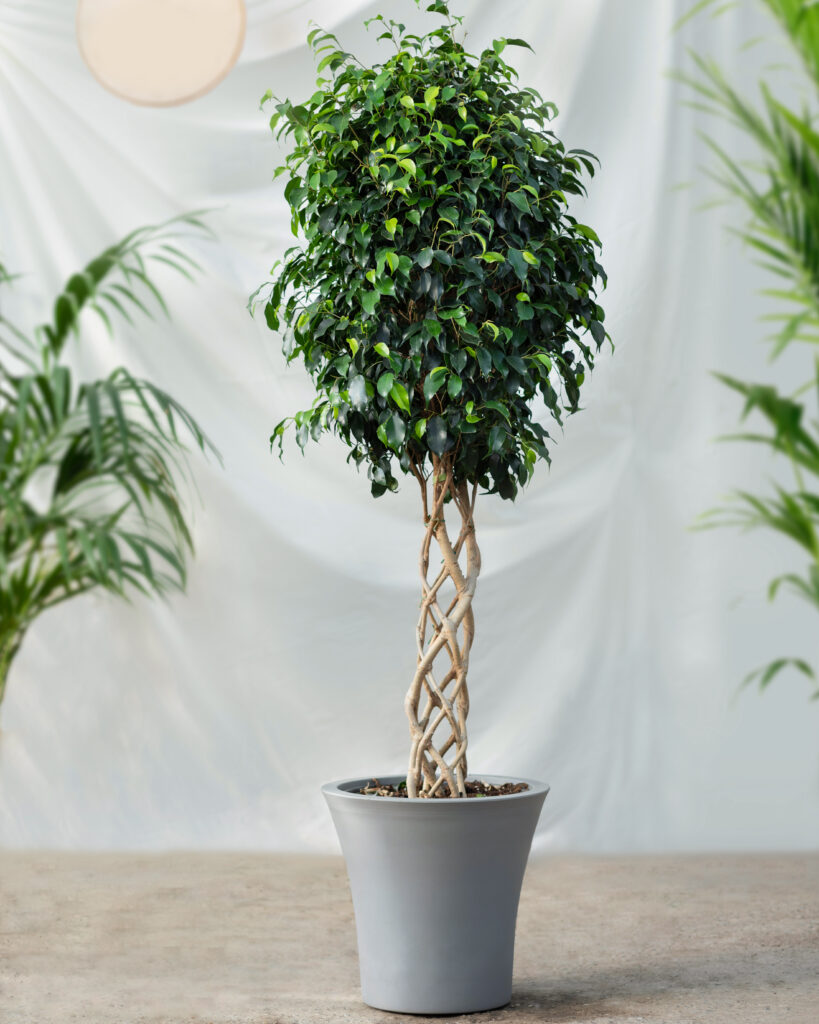
8. Weeping Fig (Ficus benjamina)
The Weeping Fig is a popular indoor tree that enhances air satisfaction through filtering out formaldehyde, toluene, and xylene. It also contributes to elevated oxygen degrees in enclosed areas. This plant prefers oblique mild and steady watering. While it may shed leaves whilst relocated or burdened, once acclimated, it’s a consistent performer. Its graceful, drooping branches upload a serene, herbal detail to interiors. Be careful although, as its sap can be mildly annoying to pets and touchy skin.
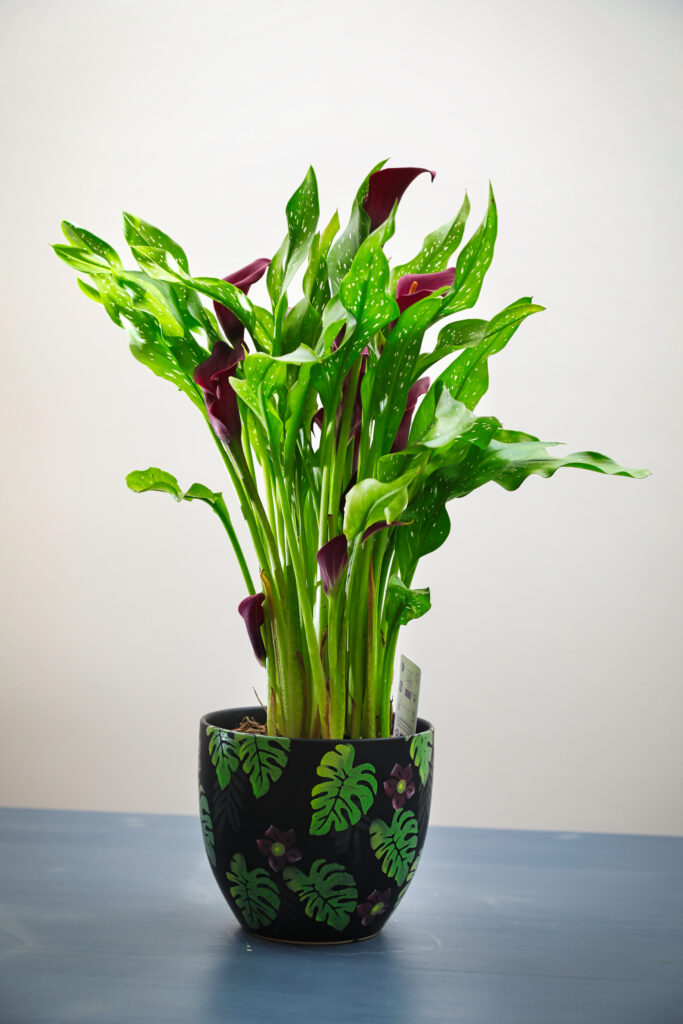
9. Chinese Evergreen (Aglaonema)
Chinese Evergreen is an elegant, clean-to-care-for plant known for its air-purifying and oxygen-releasing capabilities. It thrives in low to medium light and requires minimal protection, making it best for workplaces or shaded indoor corners. It efficiently gets rid of indoor pollution like benzene and formaldehyde. Its huge, variegated leaves add aesthetic value, and its tolerance for forget makes it one of the high-quality selections for beginners or common travelers.
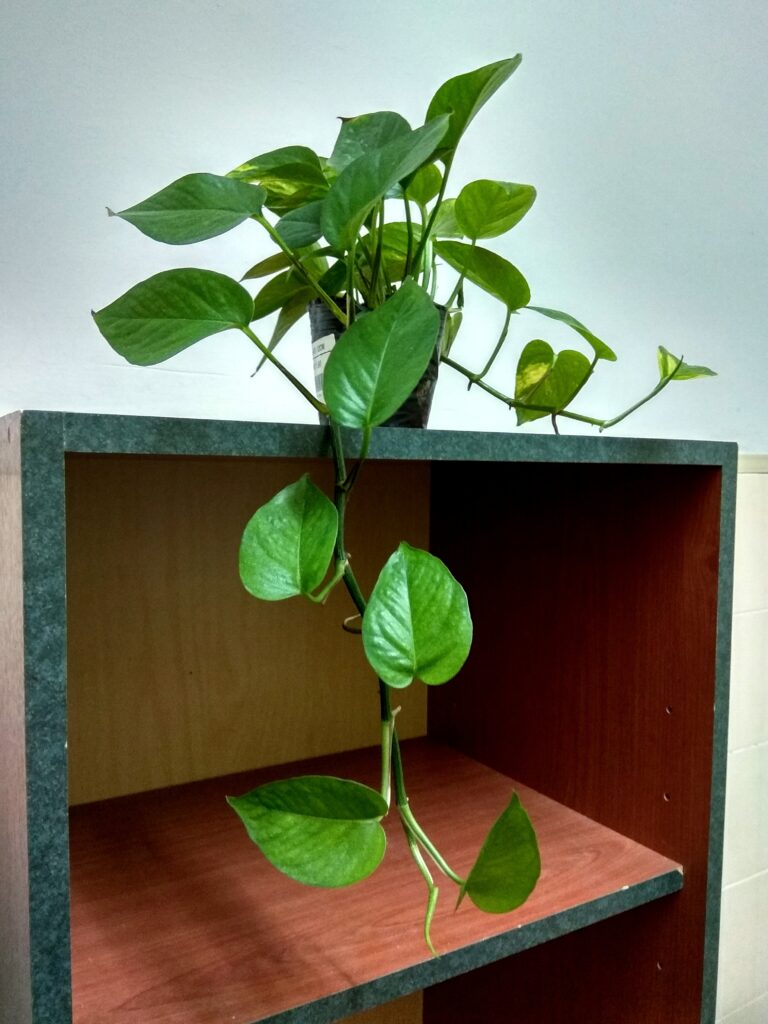
10. Money Plant (Epipremnum aureum)
Also referred to as Pothos or Devil’s Ivy, the Money Plant isn’t always just an image of prosperity, but also an effective oxygen producer. It filters indoor pollutants like formaldehyde, xylene, and benzene and thrives in plenty of mild conditions. Its trailing vines make it ideal for putting baskets or ornamental cabinets. Easy to propagate and care for, the Money Plant is one of the most popular selections for improving indoor air, evidently at the same time as including a lush, inexperienced vibe to any space.
Benefits of Having Oxygen Plants Indoors
Improved Air Quality
The most instant benefit of oxygen-generating indoor plant life is substantially advanced air fine. Through the procedure of photosynthesis, these plants take in carbon dioxide and release clean oxygen, assisting to stabilise indoor oxygen stages — in particular in enclosed spaces with poor ventilation. Beyond that, many houseplants additionally act as natural air purifiers, disposing of dangerous toxins along with formaldehyde, benzene, and xylene from the environment. According to NASA’s Clean Air Study, plant life like Snake Plant, Peace Lily, and Areca Palm are specially powerful in filtering out those indoor pollutants. By decreasing airborne pollutants, oxygen plant life makes a contribution to a more healthy respiration gadget and a lower threat of allergies and different air-nice-related illnesses.
🔗 Backed by means of NASA’s Clean Air Study:
NASA Clean Air Study – PDF Summary
This landmark study lists top houseplants that purify indoor air and improve oxygen levels, such as Snake Plant, Peace Lily, and Areca Palm.
Enhanced Mental Well-being
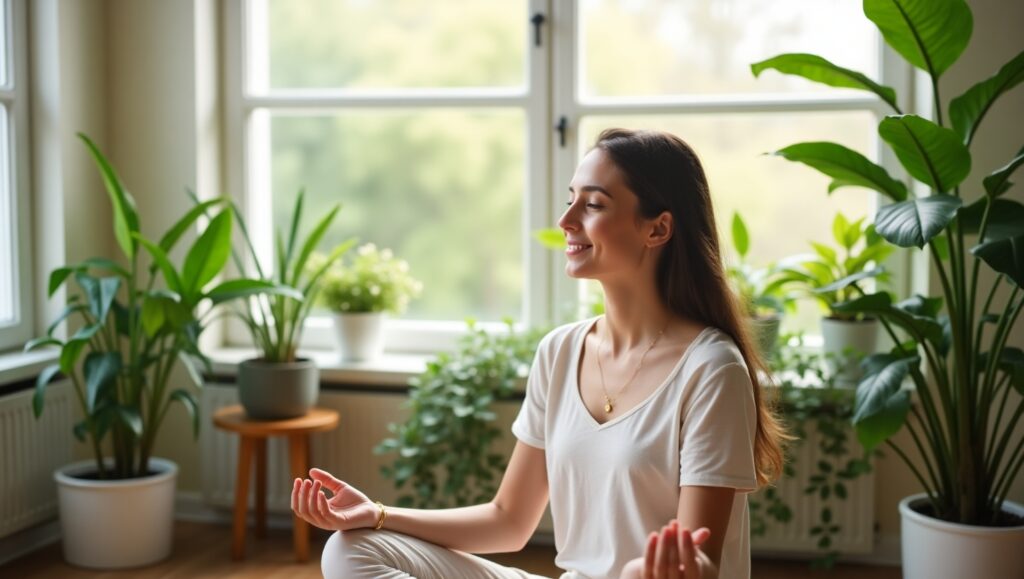
The presence of a greenery interior doesn’t just benefit physical fitness — it additionally has a profound impact on intellectual well-being. Numerous research have shown that interacting with indoor vegetation can decrease strain levels, reduce anxiety, and enhance temper. Plants assist create a relaxing atmosphere, which can be especially beneficial in excessive-stress environments like workplaces or urban flats. The act of being concerned for a plant may be therapeutic and meditative, encouraging mindfulness and recognition. Moreover, environments with indoor plants were connected to better productiveness, stepped forward concentration, or even better sleep quality. Oxygen-producing plants like Tulsi and Aloe Vera can beautify the air you breathe whilst also enhancing your basic experience of wellbeing.
🔗 Supported by the American Psychological Association (APA):
APA – Nature’s Impact on Mental Health
This article discusses how greenery and nature publicity make contributions to decrease tension, progressed cognition, and emotional resilience.
🔗 Backed by using Harvard Health Publishing:
Harvard – Plants and Mental Health
Harvard Health outlines how indoor vegetation lessens stress and promotes mental proper-being.
Natural Humidifiers
Some oxygen-producing vegetation, especially those with extensive leaves like Areca Palm and Spider Plant, launch moisture into the air thru a method referred to as transpiration. This herbal humidification helps maintain an ultimate humidity degree interior, which is mainly beneficial in air-conditioned or heated environments where the air tends to turn out to be dry. Proper humidity helps better respiration, prevents dry pores and skin, and can even lessen the danger of breathing infections. Natural humidifiers are specifically beneficial all through icy months or in dry climates, making oxygen plants a dual-cause solution for improving both air composition and moisture stability.
🔗 Endorsed through Environmental Protection Agency (EPA):
The EPA highlights how low humidity impacts air quality and the way keeping best moisture stages helps higher indoor fitness.
Aesthetic Appeal
Beyond fitness benefits, oxygen vegetation decorates the visual enchantment of any indoor area. Whether you’re redecorating a cozy domestic, present day workplace, or small apartment, the addition of greenery right away brings warmth and life to a room. Plants like the Chinese Evergreen or Gerbera Daisy upload splashes of color and texture, whilst others like the Snake Plant or Money Plant offer elegant simplicity. Their versatility permits for creative indoors styling — from striking pots and wall-hooked up planters to minimalist tabletop displays. The aesthetic fee of vegetation no longer best boosts the environment but also contributes to an extra inviting and inspiring surroundings.
🔗 Evidence from the Journal of Environmental Psychology:
ScienceDirect – Visual Influence of Indoor Plants
This peer-reviewed study explores how indoor vegetation decorate perceived beauty and luxury in interior areas.
How to Care for Your Oxygen Plants
Light Requirements
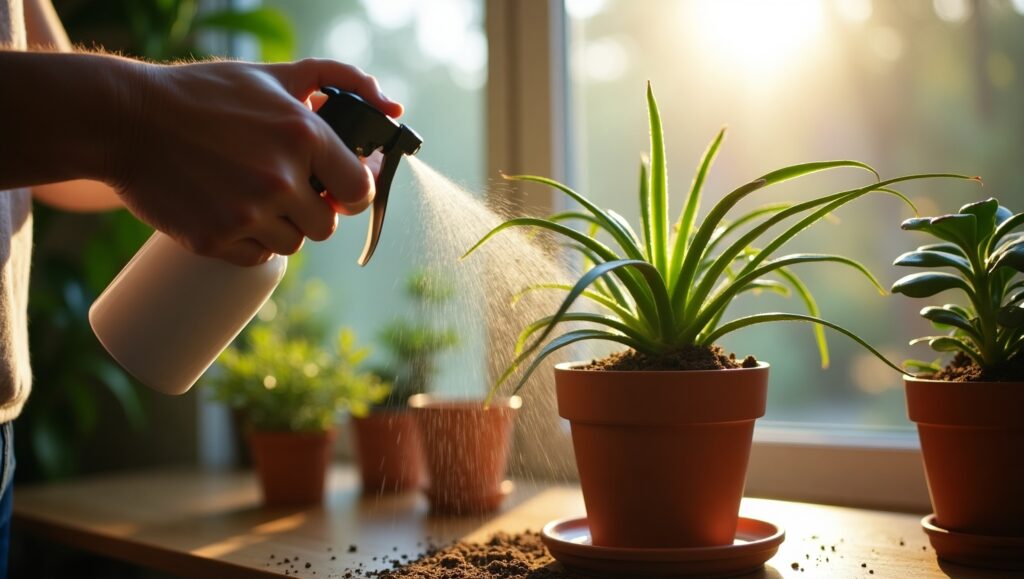
Most oxygen-generating indoor plants thrive in vibrant, indirect sunlight. However, each plant has unique light possibilities. For example, the Snake Plant and Chinese Evergreen can tolerate low-mild situations, making them ideal for shaded corners or workplaces. On the other hand, Areca Palm, Aloe Vera, and Gerbera Daisy select well-lit spots with some filtered daylight.
Too much direct sunlight can scorch the leaves of sensitive plant life like the Peace Lily, at the same time as too little mild can stunt increase or reduce oxygen output.
Tip: Rotate your plants each few weeks to make certain even light exposure on all aspects.
Watering Guidelines
Overwatering is the maximum common mistake plant owners make. Most oxygen plants decide upon soil that is moist but not soggy. For example:
- Snake Plant & Aloe Vera: Require watering handiest whilst the soil is completely dry.
- Peace Lily & Areca Palm: Prefer constantly wet (but now not waterlogged) soil.
- Spider Plant: Likes everyday watering however can tolerate occasional drying out.
Check the top inch of soil with your finger before watering — if it is dry, it’s time to water.
Tip: Use pots with drainage holes to save you root rot.
Soil and Fertilization Tips
Healthy soil is important for plant oxygen production and growth. Most indoor plants thrive in properly-draining potting mixes. A blend of peat moss, perlite, and compost works properly for trendy use. For succulents like Aloe Vera, a cactus blend is ideal.
Fertilize sparingly. Use a balanced liquid fertilizer (e.G., 10-10-10 NPK) once a month all through the developing season (spring to early fall). Avoid fertilizing in iciness while plant growth slows down.
Tip: Always water the plant earlier than making use of fertilizer to avoid root burn.
Common Issues and Solutions
Even low-maintenance flowers can face troubles if not properly cared for. Here are some commonplace issues:
- Yellow Leaves: Often because of overwatering or negative drainage.
- Brown Leaf Tips: May suggest low humidity or immoderate fertilizer.
- Drooping Leaves: Can result from underwatering or root rot.
- Pest Infestations (e.G., spider mites, mealybugs): Wipe leaves with neem oil or insecticidal cleaning soap.
If a plant stops developing or looks confused, reassess its mild, watering, and soil situations. A quick adjustment can frequently restore plant health.
Tip: Keep your plants smooth — lightly wipe leaves to eliminate dust and permit green photosynthesis.
Conclusion
Recap of Top Oxygen Plants
Choosing the proper indoor flowers now not simplest beautifies your own home however additionally transforms your living space right into a purifier, healthier environment. Here’s a quick recap of the top 10 oxygen-generating indoor flora mentioned:
- Snake Plant – Low-upkeep, ideal for bedrooms
- Areca Palm – Great herbal humidifier and air cleaner
- Spider Plant – Pet-secure and amateur-pleasant
- Peace Lily – Elegant and green in low light
- Aloe Vera – Medicinal blessings and air-cleansing
- Tulsi (Holy Basil) – Spiritual and breathing well-being booster
- Gerbera Daisy – Oxygen-wealthy and visually colourful
- Weeping Fig – Decorative and detoxifying
- Chinese Evergreen – Perfect for low-light corners
- Money Plant – Easy to develop and image of prosperity
Each of those flowers contributes to cleaner air, better oxygen levels, and a greater non violent surroundings interior.
Final Thoughts on Enhancing Indoor Air Quality Naturally
In an age in which we spend maximum of our time indoors, prioritizing air first-rate is more critical than ever. Incorporating oxygen-generating flowers into your home or workspace is a simple, fee-effective, and natural solution to fight indoor pollutants and support ordinary nicely-being. From doing away with pollutants to including humidity and intellectual calm, the advantages go far past aesthetics.
Remember, a little care goes an extended way — with the right mild, watering agenda, and occasional feeding, those green allies can thrive and work silently to improve your high-quality of existence.
Whether you’re a newbie or a plant fanatic, there’s a perfect oxygen plant ready to raise your space.
FAQs About Oxygen-Producing Plants
Which indoor plant produces the most oxygen?
Which indoor plant produces the most oxygen?
The Areca Palm is often considered one of the best indoor plants for oxygen production, especially when grown in clusters. It also helps humidify the air, making it a double-duty plant for indoor environments.
Do plants really improve indoor air quality?
Do plants really improve indoor air quality?
Yes. Many indoor plants remove toxins like formaldehyde, benzene, and carbon monoxide while releasing oxygen. NASA’s Clean Air Study confirmed that certain plants, such as the Snake Plant and Peace Lily, significantly enhance air quality in enclosed spaces.
How many oxygen plants should I keep in a room?
How many oxygen plants should I keep in a room?
For noticeable air quality improvement, experts recommend keeping 1 medium-sized plant per 100 square feet. In bedrooms or offices, having 3–5 oxygen-producing plants can make a measurable difference in air freshener.
Can indoor plants increase oxygen at night?
Can indoor plants increase oxygen at night?
Only a few plants, such as the Snake Plant and Aloe Vera, release oxygen at night through Crassulacean Acid Metabolism (CAM) photosynthesis. These are ideal for bedrooms to support better nighttime breathing.
Are oxygen-producing plants safe for pets?
Are oxygen-producing plants safe for pets?
Some plants like the Spider Plant and Areca Palm are pet-safe, while others like the Peace Lily or Aloe Vera can be toxic to cats and dogs if ingested. Always check toxicity levels with the ASPCA plant database before choosing.
What is the easiest oxygen plant to care for?
What is the easiest oxygen plant to care for?
The Snake Plant is considered the easiest oxygen plant to maintain. It tolerates low light, infrequent watering, and still purifies the air effectively — ideal for beginners and busy individuals.
How long does it take for a plant to improve air quality?
How long does it take for a plant to improve air quality?
While plants begin purifying air as soon as they’re placed, consistent, noticeable effects typically occur within 1–2 weeks when plants are healthy and properly cared for.