
Introduction
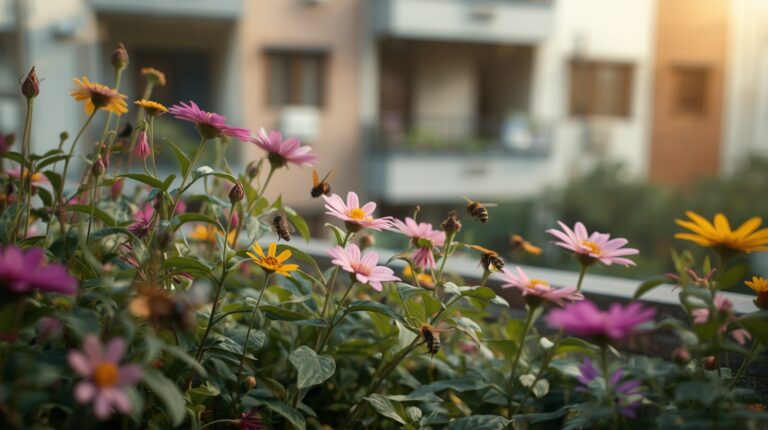
India’s gardens are witnessing a quiet revolution. From the bustling balconies of Mumbai to the sprawling terraces of Bangalore, urban gardeners are rediscovering the power of native plants—species that have thrived in Indian soil for centuries, long before exotic varieties dominated nurseries.
Native plants are species that naturally occur in a specific region and have evolved alongside local wildlife over thousands of years. In India, these include everything from the humble Tulsi growing in your grandmother’s courtyard to the majestic Palash that sets forests ablaze with color each spring. Unlike their exotic counterparts, native plants are perfectly adapted to India’s diverse climates, requiring less water, fewer fertilizers, and minimal maintenance once established.
But here’s what makes them truly special: native plants are the foundation of our pollinator ecosystem. Bees, butterflies, and other pollinators have co-evolved with these plants, developing specialized relationships that ensure both survive and thrive. When you plant a Hibiscus or Indian Milkweed, you’re not just adding beauty to your garden—you’re creating a lifeline for species that pollinate nearly 70% of the crops we depend on for food.
The numbers tell a sobering story. Pollinator populations are declining globally, and India is no exception. Habitat loss, pesticide use, and the proliferation of ornamental plants that offer little to no nectar are leaving our bees and butterflies with nowhere to turn. Cities like Delhi and Pune are increasingly recognizing this crisis, with urban gardeners taking matters into their own hands by creating pollinator-friendly spaces.
This comprehensive guide will walk you through everything you need to know about growing native plants in India. We’ll explore the best varieties for attracting pollinators, share expert care tips tailored to Indian climates, break down realistic pricing, and show you exactly how to transform your balcony or garden into a thriving pollinator haven. Whether you’re working with a small apartment balcony or planning a complete landscaping transformation, this guide has you covered.
Ready to make your garden buzz with life? Let’s begin.
Key Benefits of Growing Native Plants in India
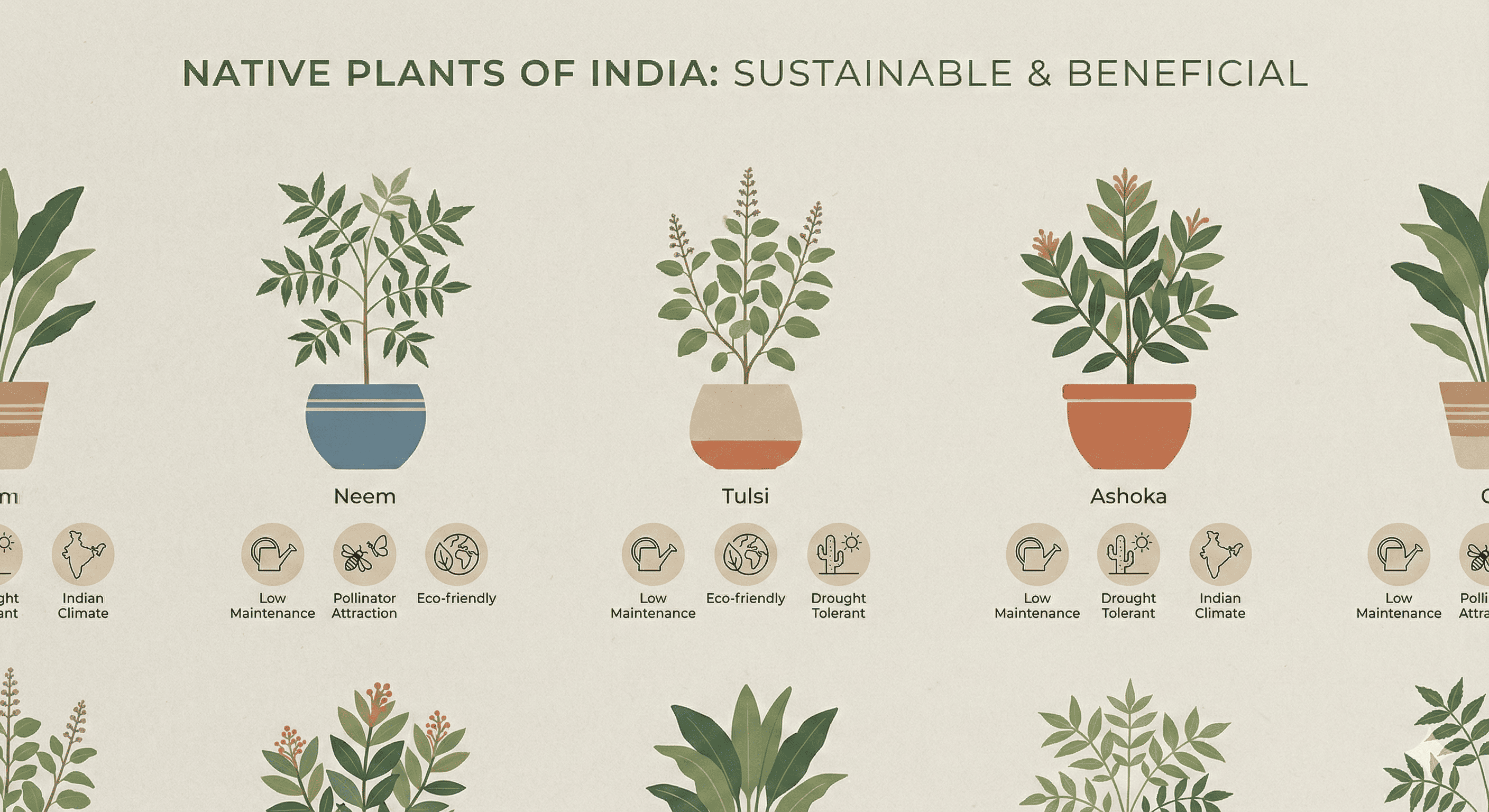
Choosing native plants isn’t just an environmental decision—it’s a smart gardening choice that pays dividends in countless ways. Here’s why Indian gardeners are increasingly turning to desi species:
Support Local Bees and Butterflies Native plants produce nectar and pollen that are perfectly suited to local pollinators. A common honeybee visiting Tulsi flowers gets far more nutritional value than it would from an imported ornamental. Indian butterflies recognize native species as host plants where they can safely lay eggs, ensuring the next generation thrives. This isn’t just theory—studies show that native plants support five times more butterfly species than exotic alternatives.
Low Maintenance Native species have spent millennia adapting to India’s monsoons, scorching summers, and varied soil conditions. A Neem tree doesn’t need weekly attention or specialized fertilizers—it simply grows. Curry leaf plants thrive with basic care that any beginner can manage. For busy urban professionals or elderly gardeners, natives offer beauty without the constant demands of high-maintenance exotics.
Eco-Friendly Landscaping Option Every native plant you grow reduces the environmental footprint of your garden. They require significantly less water than exotic species—crucial in a country where water scarcity is an increasing concern. They rarely need chemical pesticides because they’ve developed natural defenses against local pests. When you choose natives, you’re practicing truly sustainable gardening.
Better Growth in Indian Soil and Water Conditions Stop fighting your soil’s pH levels or installing elaborate irrigation systems. Native plants evolved to thrive in exactly the conditions your garden already has. Whether you’re dealing with the red laterite soil of Bangalore or the alluvial plains of North India, there are native species perfectly suited to your region. They understand Indian weather patterns instinctively, knowing when to flower and when to conserve energy.
Attracts Natural Predators for Pest Reduction Here’s a bonus you might not expect: native plants attract beneficial insects beyond pollinators. Ladybugs, lacewings, and predatory wasps are drawn to native gardens, where they feast on aphids, mealybugs, and other pests. This creates a natural pest management system that reduces or eliminates the need for harmful chemicals.
Cost-Effective for Home Gardens and Balconies Native plants are economical on multiple levels. Initial purchase prices are often lower than exotic imports. Long-term maintenance costs plummet because you’re not constantly buying fertilizers, pesticides, or replacement plants that couldn’t handle the climate. Many natives propagate easily from cuttings, meaning you can expand your garden for free. For apartment dwellers working with limited space, this affordability makes pollinator gardening accessible to everyone.
The evidence is clear: native plants aren’t just good for pollinators—they’re better for your garden, your wallet, and the planet. They represent a return to gardening practices that work with nature rather than against it.
Best Native Plants to Attract Pollinators in India
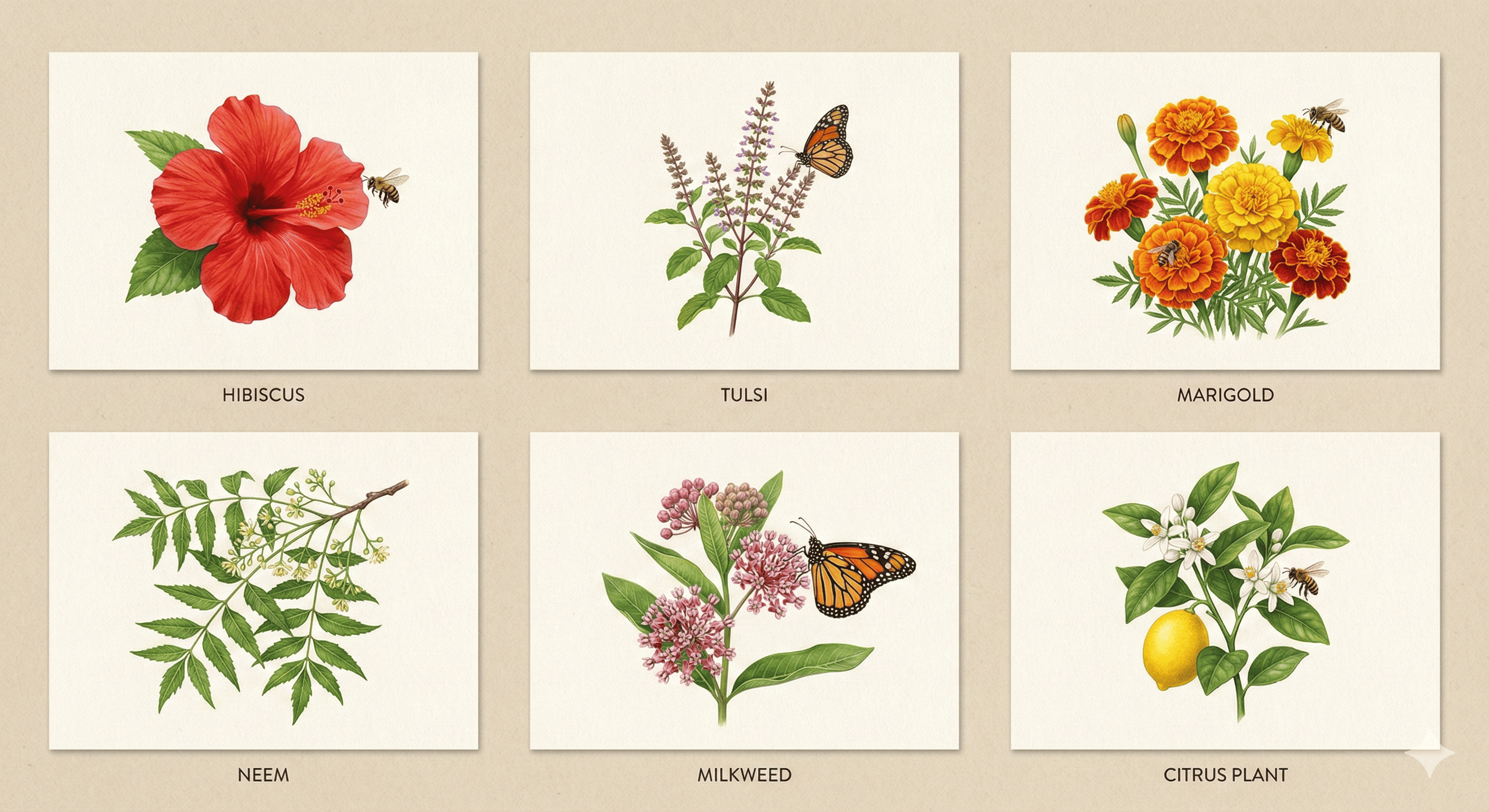
Let’s explore the star performers—native Indian plants that pollinators absolutely love. Each offers unique benefits while requiring care that fits perfectly with Indian growing conditions.
Hibiscus (Gudhal)
The Hibiscus is India’s floral ambassador, producing large, showy blooms in reds, pinks, and yellows that butterflies find irresistible. Each flower opens for just a day, but plants bloom prolifically from spring through autumn, ensuring a constant nectar supply. Butterflies hover around the prominent stamens, getting dusted with pollen as they feed.
Best Use: Outdoor gardens, sunny balconies, boundary planting Care Level: Easy
Hibiscus thrives in full sunlight and well-draining soil. Water regularly during establishment, then reduce to twice weekly. These hardy plants tolerate India’s summer heat beautifully and reward minimal effort with spectacular blooms. Perfect for beginner gardeners wanting immediate pollinator impact.
Indian Milkweed (Aak)
This underappreciated native is a butterfly magnet, particularly for monarch and plain tiger butterflies that use it as a host plant for their caterpillars. The clusters of small white or purple flowers produce abundant nectar while the plant’s toxic sap protects it from most pests—a built-in defense mechanism that eliminates pesticide needs.
Best Use: Pollinator zones, boundary planting, wildlife gardens Care Level: Moderate
Milkweed prefers full sun and tolerates poor soil conditions that would stress other plants. It’s drought-resistant once established, making it ideal for water-conscious gardening. Allow some controlled spreading to create butterfly breeding zones.
Neem
Beyond its medicinal reputation, Neem becomes a honeybee paradise during its flowering season. The small, fragrant white flowers appear in clusters and produce nectar that bees convert into prized Neem honey. A mature Neem tree can support thousands of bee visits daily during peak bloom.
Best Use: Large gardens, urban farms, avenue planting Care Level: Very easy
Neem is virtually indestructible once established. It tolerates drought, poor soil, and neglect while providing year-round benefits. The tree grows large, so ensure adequate space. For smaller properties, consider pruning to manage size while maintaining flowering potential.
Jamun (Java Plum)
The fragrant cream-colored flowers of Jamun trees attract diverse bee species in late winter and early spring. Beyond pollinator value, the tree produces delicious purple fruits and offers substantial shade—a multifunctional addition to any garden with space.
Best Use: Yards, urban landscapes, edible gardens Care Level: Medium
Jamun needs deep soil and regular watering during establishment. Once mature, it becomes low-maintenance while providing seasonal pollinator support. The tree’s spreading canopy makes it excellent for creating shaded pollinator gardens underneath.
Tulsi (Holy Basil)
Perhaps India’s most beloved plant, Tulsi draws constant bee traffic throughout its growing season. The small purple or white flower spikes produce abundant nectar in an easily accessible format for various bee sizes. Many gardeners report Tulsi as the single most effective plant for attracting pollinators to balconies and small spaces.
Best Use: Kitchen gardens, balconies, pots, terrace gardens Care Level: Very easy
Tulsi grows readily from seeds or cuttings. It needs 4-6 hours of sunlight and consistent moisture without waterlogging. Pinch growing tips regularly to encourage bushier growth and more flowering stems. This annual reseeds freely, ensuring your pollinator garden continues year after year.
Marigold (Local Desi Variety)
Traditional Indian marigolds—not the large hybrid varieties—are butterfly favorites. Their strong fragrance and bright orange or yellow blooms serve as visual beacons. Marigolds bloom prolifically with minimal care, providing months of continuous pollinator support.
Best Use: Pots, borders, companion planting, festival decorations Care Level: Easy
Choose smaller-flowered desi varieties over large hybrid types for maximum pollinator benefit. Marigolds thrive in full sun with moderate watering. Deadhead spent blooms to encourage continuous flowering. These fast-growing annuals are perfect for filling gaps while slower perennials establish.
Flame of the Forest (Palash)
Palash trees create spectacular displays when covered in bright orange-red flowers each spring. These blooms attract numerous butterfly species, bees, and birds. The tree holds cultural significance while providing crucial early-season nectar when few other plants flower.
Best Use: Large gardens, parks, specimen planting Care Level: Moderate
Palash needs substantial space and several years to reach flowering maturity. It tolerates various soil types and moderate drought once established. The tree sheds leaves in winter before flowering, so plan accordingly. For pollinator gardens, the wait is worthwhile—mature trees become wildlife magnets.
Indian Coral Tree (Erythrina)
The spectacular bright red flowers appear on bare branches in late winter and early spring, creating dramatic visual impact while providing crucial nectar during a season when few plants flower. Sunbirds and butterflies compete for access to the abundant nectar.
Best Use: Landscape design, specimen planting, large containers Care Level: Moderate
Coral trees need full sun and well-draining soil. They tolerate drought but appreciate occasional deep watering. The tree has a spreading habit, so provide adequate space. Prune after flowering to maintain shape and manage size in smaller gardens.
Lemon and Citrus Plants
Citrus flowers produce one of the most enticing fragrances in the plant kingdom, and bees agree—they’re irresistibly drawn to blooming citrus. The small white flowers appear in flushes throughout the year, with major blooms in spring. A single blooming lemon tree can support dozens of bees simultaneously.
Best Use: Balcony pots, outdoor containers, edible gardens Care Level: Easy
Citrus thrives in containers, making it perfect for apartment gardeners. Use well-draining potting mix and quality containers from our pots and planters collection. Water when the top inch of soil dries, and fertilize monthly during the growing season. You’ll get both pollinator support and fresh fruit.
Curry Leaf Plant
This kitchen garden staple produces small white flowers that tiny bees and other small pollinators love. The flowers may seem insignificant, but they appear in abundant clusters that provide substantial nectar resources. Plus, you’re growing the fresh curry leaves that elevate your cooking.
Best Use: Pots, garden beds, kitchen gardens Care Level: Easy
Curry leaf plants adapt well to containers or ground planting. They prefer partial shade in hot regions and full sun in cooler areas. Keep soil consistently moist but not waterlogged. Regular harvesting encourages bushier growth and more flowering stems. This is truly a win-win plant for gardeners.
Each of these natives offers unique characteristics while sharing common traits: they’re adapted to Indian conditions, they provide genuine value to pollinators, and they don’t demand excessive maintenance. For more ideas on creating complete garden designs, explore our landscaping services or check out our guide on top 20 low-maintenance plants for busy people.
Growing and Care Guide for Native Indian Plants
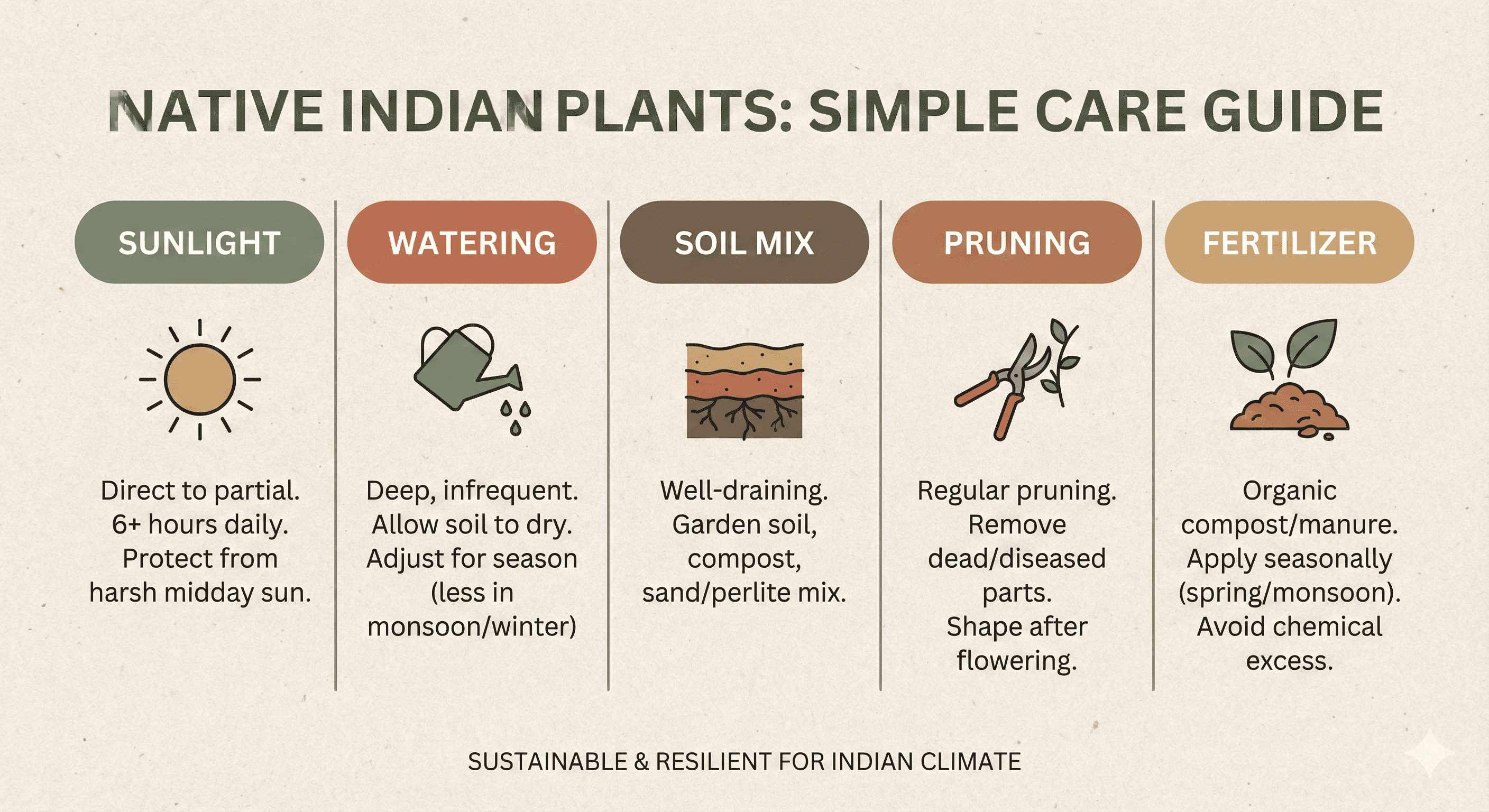
Success with native plants comes from understanding their basic needs and adapting care to India’s unique climate patterns. Here’s everything you need to know.
Light Requirements
Most flowering natives need 4-6 hours of direct sunlight daily to bloom prolifically. This is especially crucial for Hibiscus, Marigold, and Tulsi. Balcony gardeners should observe sun patterns carefully—east-facing balconies receive gentle morning sun perfect for most natives, while west-facing locations get intense afternoon heat that may stress some species during peak summer.
For apartment dwellers, the sunniest location is always best. If your space receives only 3-4 hours of direct sun, focus on more shade-tolerant options like Curry Leaf or young Neem plants. Trees like Jamun and Palash need full-day sun in ground-planted situations.
Watering
The most common mistake Indian gardeners make is overwatering, particularly during monsoon season. Native plants evolved to handle India’s feast-or-famine water cycles—they prefer deep, infrequent watering over daily sprinkles.
During establishment (first 3-6 months), water when the top 2 inches of soil dry out—typically 2-3 times weekly in summer, once weekly in winter. Established plants need even less. During monsoons, reduce or stop watering entirely for most species unless they’re in covered locations.
The key is deep watering that encourages roots to grow downward. Apply water slowly, allowing complete soil penetration, then wait for the soil to partially dry before watering again. Morning watering is ideal, giving plants time to absorb moisture before afternoon heat.
Soil Needs
Most natives thrive in loamy or red soil—the types naturally found across much of India. If your soil is heavy clay, improve drainage by mixing in cocopeat, compost, and sand in equal parts. For sandy soil, add compost and aged cow manure to improve water retention.
For container gardening, create a mix of 40% garden soil, 30% compost, 20% cocopeat, and 10% perlite or sand. This combination provides nutrients while ensuring drainage—essential for preventing root rot in India’s humid conditions.
Test drainage by watering thoroughly and observing. Water should percolate through within 5-10 minutes. If puddles remain after 30 minutes, you need better drainage.
Temperature and Humidity
All the natives listed here thrive in India’s typical temperature range of 20-40°C—exactly what most regions experience. However, care adjustments help during extreme conditions.
During Summer: Provide afternoon shade for container plants during peak heat. Move pots to protected locations during heat waves above 42°C. Increase watering frequency but maintain the deep, less frequent approach.
During Monsoon: Ensure excellent drainage to prevent root rot. Move containerized plants to covered areas during heavy rainfall. Reduce fertilizer during monsoons as plants grow slowly in reduced light.
During Winter: Most natives slow growth in winter, needing less water and no fertilizer. Protect tropical species like Citrus from temperatures below 10°C by moving them to sheltered locations.
Fertilizer
Native plants have modest nutritional needs—excessive fertilization produces lush foliage with fewer flowers. Monthly applications of homemade compost or well-aged cow manure during the growing season provide sufficient nutrition.
Avoid chemical fertilizers in pollinator gardens as they can harm beneficial insects. If you must use commercial products, choose organic options and apply at half the recommended strength. The goal is supporting plant health, not forcing unnatural growth.
Seasonal timing matters: fertilize heavily in spring when plants emerge from dormancy, reduce to monthly applications in summer, and stop entirely from October through February. Native plants understand India’s seasonal rhythms—work with them rather than against them.
Repotting
Container-grown natives need repotting every 12-18 months as roots fill available space. Choose pots 2-4 inches larger in diameter than the current container—too large and soil stays wet, inviting root disease.
The best time for repotting is late winter or early spring, just before active growth begins. Water thoroughly the day before repotting to reduce transplant stress. Use fresh potting mix and trim any circling or damaged roots before replanting.
For flowering varieties, opt for 8-12 inch diameter pots as the final size—this provides adequate root space while remaining manageable. Terracotta pots offer excellent breathability, while glazed ceramic options retain moisture longer. Explore our pots and planters collection for pollinator-friendly containers.
Pruning
Light pruning after flowering seasons maintains plant shape and encourages bushier growth with more flowers the following season. Remove dead wood, crossed branches, and spent flower heads regularly.
For herbs like Tulsi, regular pinching of growing tips throughout the season promotes dense, floriferous plants. Trees like Neem benefit from pruning in late winter to remove weak growth and maintain desired shape.
Never prune heavily during active growth periods or just before flowering. Always use clean, sharp tools to prevent disease transmission.
Common Mistakes
Over-fertilizing: Excessive nutrients produce weak, disease-prone growth with reduced flowering. If plants show lush green growth but few flowers, reduce fertilizer.
Using Foreign Hybrid Plants Expecting Pollinators: Those double-petaled roses and fancy hybrid petunias look beautiful but offer little to pollinators. Stick with simple, single-flowered natives for real pollinator support.
Keeping Pots in Low Light: Flowering natives need sun. If your plants aren’t blooming despite good care, insufficient light is likely the culprit.
Excess Watering During Monsoon: This kills more plants than any other factor. Reduce watering drastically when rains begin, and ensure containers drain freely.
Understanding these fundamentals transforms native plant care from guesswork into success. These plants want to thrive—your job is simply not getting in their way.
Common Problems and Solutions
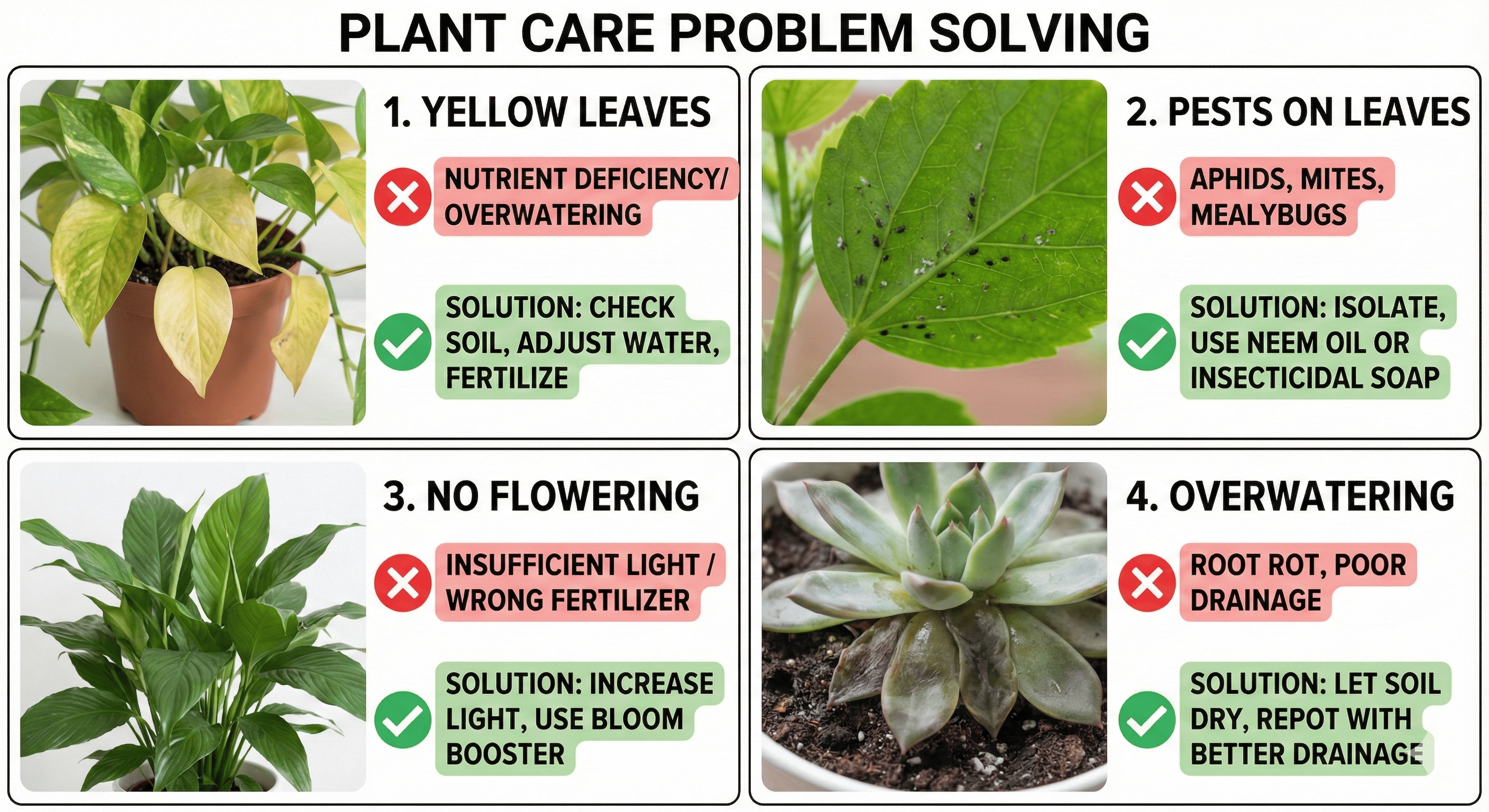
Even tough native plants occasionally face challenges. Here’s how to diagnose and fix common issues:
No Pollinators Visiting
Cause: Too many hybrid plants nearby that offer little nectar, insufficient diversity of flowering plants, or lack of water sources.
Fix: Increase the ratio of single-flowered native species. Plant in groups of 3-5 rather than isolated specimens—pollinators find massed plantings more easily. Add a shallow water dish with pebbles where bees can safely drink. Eliminate pesticide use completely as chemical residues deter pollinators.
Yellowing Leaves
Cause: Overwatering is the primary culprit in Indian conditions, though nutrient deficiency or poor drainage also contribute.
Fix: Check soil moisture before watering—if it’s damp 2 inches down, wait longer. Improve pot drainage by ensuring adequate drainage holes. For persistent issues, repot in fresh, well-draining mix. Yellow lower leaves on otherwise healthy plants indicate normal aging, not a problem.
No Flowering
Cause: Insufficient sunlight is the most common reason native plants fail to flower, though over-fertilization with nitrogen-rich products also suppresses blooms.
Fix: Move plants to brighter locations—most natives need 5-6 hours of direct sun for good flowering. Switch from high-nitrogen fertilizers to balanced or phosphorus-rich options. Some plants need maturity before flowering; young Palash or Jamun trees may take several years.
Pest Infestation
Cause: High humidity combined with poor air circulation creates ideal conditions for aphids, mealybugs, and whiteflies.
Fix: Spray affected plants with diluted neem oil solution (5ml neem oil + 1 drop dish soap per liter of water) weekly until pests disappear. Improve spacing between plants for better airflow. Introduce natural predators by avoiding all chemical pesticides. Most native plants resist pests naturally once established—infestations usually indicate stressed plants needing care adjustments.
Price of Native Plants in India (2025 Updated)
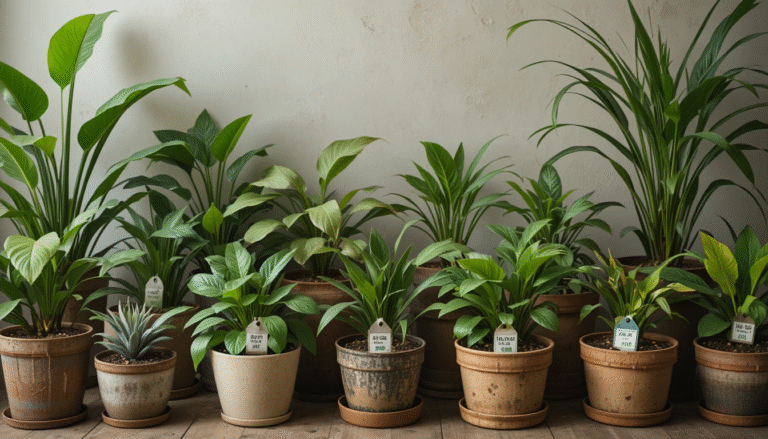
Native plants offer excellent value, with prices varying based on several factors. Here’s what to expect when shopping:
Plant Type | Price Range (INR) |
Tulsi / Curry Leaf | ₹30–₹150 |
Hibiscus | ₹80–₹300 |
Marigold | ₹20–₹80 |
Lemon / Citrus | ₹150–₹400 |
Neem | ₹100–₹250 |
Milkweed | ₹40–₹150 |
Coral Tree / Palash | ₹200–₹800 |
Factors Affecting Price
Pot Size: Seedlings in 3-4 inch pots cost significantly less than established plants in 10-12 inch containers. For budget-conscious gardeners, starting with smaller plants makes sense—natives grow quickly in appropriate conditions.
Plant Maturity: A 6-month-old Hibiscus costs ₹80, while a 3-year-old flowering specimen might cost ₹300. Mature plants provide instant impact but represent higher investment. Consider your timeline and patience level.
Local Nursery vs Online Seller: Local nurseries often offer competitive pricing and eliminate shipping stress, but selection may be limited. Online sellers provide convenience and variety, sometimes at premium prices plus shipping costs. Compare options for your specific needs.
Seasonal Demand: Prices spike during traditional planting seasons (monsoon onset, post-Diwali) when everyone shops simultaneously. Off-season purchases save money and often yield healthier plants receiving more nursery attention.
The beauty of native plants is their affordability—you can start a meaningful pollinator garden for just a few hundred rupees. As plants establish and propagate, costs drop to nearly zero.
Buying Guide for Indian Gardeners
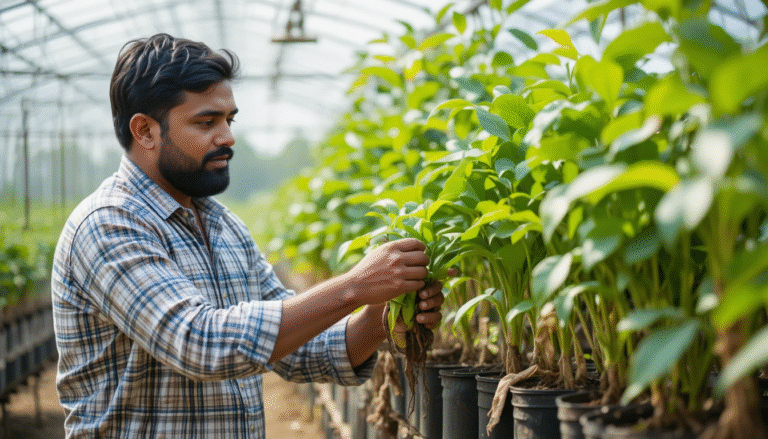
Smart shopping ensures healthy plants that thrive from day one. Here’s your checklist:
What to Check Before Buying
Healthy Leaves: Look for vibrant green leaves without yellowing, brown spots, or wilting. A few minor blemishes are normal, but widespread discoloration indicates stress or disease.
No Pests on Undersides: Flip several leaves and check undersides carefully for tiny insects, webbing, or sticky residue. Bringing pest-infested plants home spreads problems to your entire garden.
Strong Stem Structure: Gently wiggle the plant at soil level. It should feel firmly rooted, not loose or wobbly. Weak stems that bend easily indicate poor growing conditions or insufficient light during production.
Root Health: If possible, gently slide the plant from its pot to check roots. Healthy roots are white or light tan, filling the pot without excessive circling. Avoid plants with dark, mushy roots or those so root-bound that soil has disappeared.
Ideal Sizes
4-6 Inch Pots for Balconies: These starter sizes transplant easily into your final containers, adapt quickly, and cost less. Perfect for herbs like Tulsi and Curry Leaf, annual flowers like Marigold, and young perennials.
8-12 Inch Pots for Flowering Species: Established Hibiscus, Citrus, and shrubby natives in this size range begin flowering within weeks. They provide immediate pollinator value while requiring less intensive establishment care.
Pot Type Suggestions
The right container makes substantial difference in plant health. Terracotta pots offer excellent breathability and temperature regulation—roots stay cooler in summer, and excess moisture evaporates through pot walls. They’re ideal for most natives but require more frequent watering.
Grow bags provide flexibility and affordability for balcony gardens. Their fabric construction offers superior drainage and air pruning of roots, creating healthier root systems. They’re lightweight and easy to move as sun patterns change seasonally.
Ceramic planters combine aesthetics with function, perfect for balconies where appearance matters. Choose glazed ceramics with adequate drainage holes. They retain moisture longer than terracotta, reducing watering frequency—beneficial during busy weeks.
Browse our complete pots and planters collection for options suited to native plant needs.
Online vs Offline Buying
Online: Offers unmatched convenience and variety—rare natives unavailable locally become accessible. Detailed descriptions and reviews guide choices. However, you can’t inspect plant health personally, and shipping stress occasionally damages plants. Choose reputable sellers with good packaging practices and plant guarantees.
Offline: Local nurseries allow physical health inspection before purchase. You’ll see exactly what you’re getting, can ask staff questions, and avoid shipping issues. Selection may be limited, and prices sometimes exceed online options. Visit multiple nurseries to compare quality and prices.
Green Gifting Angle
Native flowering plants make exceptional eco-friendly gifts for housewarmings, festivals, or corporate events. They offer lasting beauty while supporting environmental health—far more meaningful than cut flowers or generic gift baskets. A blooming Hibiscus or fragrant Citrus plant paired with care instructions makes an impressive, sustainable gift.
Companies increasingly recognize environmental responsibility’s importance. Native plant gifts demonstrate your organization’s commitment to ecological values while providing recipients with lasting enjoyment. Explore our green gifting page for corporate and personal gifting options that make real environmental impact.
Propagation of Native Indian Plants
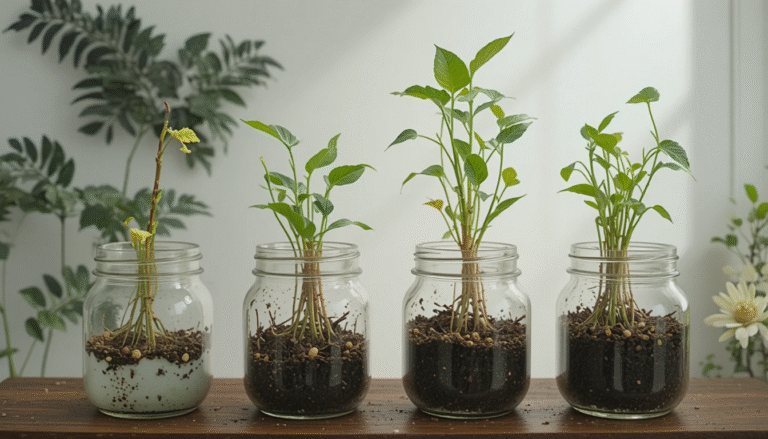
Growing your own plants from cuttings is rewarding and economical. Most natives propagate readily with basic technique:
Step 1: Choose Healthy Stem Cuttings Select 4-6 inch stem sections from healthy, disease-free plants. Morning is ideal when stems are fully hydrated. Make cuts just below a leaf node using clean, sharp scissors or pruners. Remove flowers and lower leaves, leaving just 2-3 leaves at the tip.
Step 2: Dip in Rooting Hormone (Optional) Commercial rooting hormones accelerate root development, but natives often root successfully without them. If using hormone powder, dip just the cut end, tapping off excess. Honey works as a natural alternative—its antimicrobial properties prevent rot while encouraging rooting.
Step 3: Plant in Moist, Well-Draining Mix Use a blend of cocopeat and perlite or sand (50:50) for rooting. This combination retains moisture while preventing waterlogging that causes cuttings to rot. Plant cuttings 1-2 inches deep, firming soil gently around stems.
Step 4: Keep in Indirect Sunlight Bright, indirect light provides energy for root development without the stress of direct sun. Cover cuttings loosely with transparent plastic to maintain humidity—remove covers daily for air circulation to prevent fungal issues.
Step 5: Transplant After 3-4 Weeks Gentle tugging reveals rooting success—resistance indicates roots have formed. Transplant into small pots with regular potting mix, gradually increasing sun exposure over one week. Water consistently while roots establish in their new environment.
Plants like Hibiscus, Curry Leaf, and Citrus propagate easily from cuttings. Tulsi roots readily in just water—place cuttings in a glass on your windowsill and watch roots develop within days. This makes expanding your pollinator garden virtually cost-free once you have initial plants.
FAQs
Which native plants attract the most pollinators in India?
ulsi, Hibiscus, and Indian Milkweed consistently rank as top pollinator attractors. Tulsi draws constant bee traffic throughout flowering, Hibiscus attracts diverse butterfly species with showy blooms, and Milkweed serves as both nectar source and caterpillar host plant. For maximum diversity, plant all three alongside other natives.
Are native plants easier to grow than exotic plants?
Yes, significantly easier. Native plants evolved in Indian climates, requiring less water, tolerating local pests better, and thriving in native soils without amendments. Exotic plants often demand specific conditions difficult to maintain, leading to higher failure rates and maintenance needs.
What is the best plant for bees in India?
Tulsi (Holy Basil) wins this distinction. Its abundant small flowers provide easily accessible nectar throughout the growing season, and bees visit constantly from morning through evening. A single healthy Tulsi plant can support dozens of bee visits daily.
How do I start a pollinator garden in an apartment balcony?
Begin with 3-5 containers in your sunniest location. Choose easy natives like Tulsi, Marigold, and Curry Leaf for immediate success. Ensure pots have drainage holes, use quality potting mix, and water consistently. Add a shallow water dish with pebbles for bee drinking. Within weeks, you’ll notice increased pollinator activity.
Do marigolds attract bees?
Traditional desi marigolds attract butterflies more than bees, though bees do visit occasionally. For maximum bee attraction, combine marigolds with Tulsi, Curry Leaf, or Citrus. The diversity ensures appeal to various pollinator species.
Can native plants grow in pots?
Absolutely. Most natives mentioned here adapt excellently to container growing. Use appropriately sized pots with good drainage, quality potting mix, and regular but not excessive watering. Container growing actually simplifies care by allowing better control over soil quality and moisture levels.
Which Indian plants bloom year-round for pollinators?
In warm regions, Hibiscus blooms nearly year-round, while Citrus produces periodic flushes. For true year-round support, plant combinations that flower in succession—Marigold and Tulsi in summer, Palash in spring, Coral Tree in late winter. This ensures constant nectar availability.
Are native plants good for corporate gifting?
Native plants make excellent corporate gifts, demonstrating environmental responsibility while providing lasting value. They require minimal care, suit Indian office conditions, and communicate your organization’s sustainability commitment. Consider them for client gifts, employee appreciation, or event giveaways through our green gifting services.
Conclusion
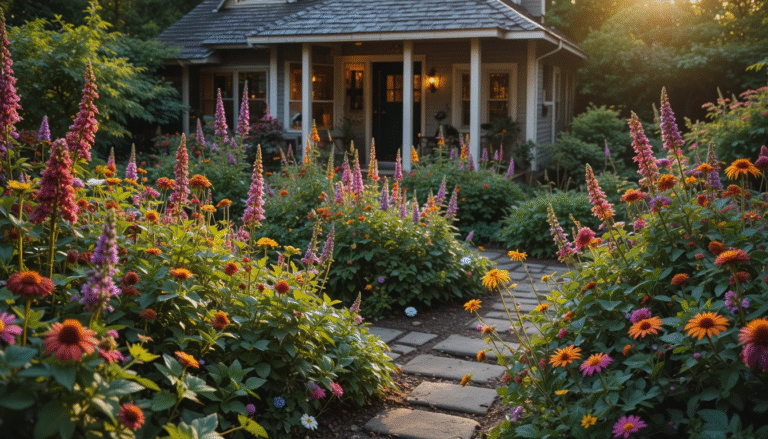
Creating a pollinator garden with native Indian plants is one of the most impactful actions any gardener can take. These resilient, beautiful plants support the bees, butterflies, and other pollinators that sustain our food systems and natural ecosystems—all while requiring minimal maintenance and investment.
From a single Tulsi plant on a Mumbai balcony to a complete native garden in a Bangalore yard, every pollinator-friendly space matters. You’re not just growing plants; you’re creating habitat, preserving biodiversity, and reconnecting with India’s botanical heritage. The bees hovering around your Hibiscus and butterflies laying eggs on your Milkweed represent tangible environmental contributions within your immediate control.
Start small if needed—three native plants are infinitely better than none. As you gain confidence and observe the life your garden attracts, expansion happens naturally. The journey from tentative beginner to confident native plant gardener is deeply rewarding, marked by increasing bird song, butterfly sightings, and the quiet satisfaction of gardening in harmony with nature.
For personalized garden design incorporating native plants, explore our professional landscaping services that create complete pollinator habitats tailored to your space. Looking for more plant care guidance? Our article on top 10 air-purifying indoor plants in India complements outdoor pollinator gardens beautifully.
Every garden can become a pollinator sanctuary. The plants are waiting, adapted and ready after centuries of thriving in Indian soil. Will you give them space to grow?
Ready to start your pollinator garden? Browse our pots and planters collection for everything you need, or explore our green gifting ideas to share the pollinator gardening movement with friends and colleagues.