
Introduction
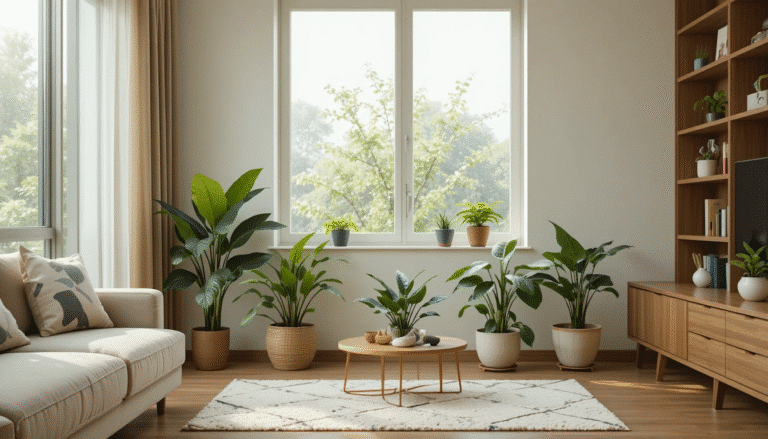
Low-maintenance plants in India are species that thrive with minimal attention, requiring infrequent watering, tolerating varying light conditions, and needing little fertilization or pruning. In today’s fast-paced world, these resilient green companions have become increasingly popular across Indian apartments, urban homes, and modern offices.
For busy professionals juggling work commitments, frequent travelers who spend days away from home, and beginners just starting their plant journey, low-maintenance plants offer the perfect solution. They bring the calming presence of nature indoors without demanding constant care or expertise.
In this comprehensive guide, we’ll explore everything you need to know about low-maintenance plants suited for Indian conditions:
- The best 20 plants perfectly adapted to Indian homes and offices
- Complete care guides tailored to Indian climate and conditions
- Current prices across India in 2025
- Smart buying tips for online and offline purchases
- Solutions to common problems Indian plant parents face
Whether you live in a compact Mumbai apartment, a spacious Bangalore villa, or a cozy Delhi flat, there’s a perfect low-maintenance plant waiting to transform your space. Explore our complete Indoor Plants Guide to discover even more options for your green journey.
Key Benefits of Low-Maintenance Plants in India
Low-maintenance plants aren’t just convenient—they’re the ideal choice for Indian homes for several compelling reasons:
Thrive in Indian Climate and Varying Light Conditions
From the scorching 40°C summers to mild winters, these plants have adapted to handle India’s diverse climate. Whether you have bright south-facing windows or dim corners, there’s a low-maintenance plant that will flourish in your space.
Require Minimal Watering
With most low-maintenance plants needing water only once every 7-10 days, they’re perfect for busy schedules. Forget daily watering routines—these plants actually prefer being left alone.
Boost Indoor Air Quality
Many low-maintenance plants like Snake Plants, Peace Lilies, and Areca Palms naturally purify indoor air by removing toxins like formaldehyde and benzene. They’re not just décor—they’re your home’s natural air filters.
Fit Perfectly in Small Apartments
Compact varieties like Jade Plants, ZZ Plants, and Money Plants work beautifully in small spaces. You don’t need a garden or large balcony to enjoy greenery—a sunny windowsill or corner shelf is enough.
Low Cost + Long Lifespan
Starting from just ₹149, these plants offer incredible value. With proper minimal care, they can live for years, some even decades, making them a one-time investment in your space’s beauty and air quality.
Perfect for Working Professionals & Travelers
If you spend long hours at work or travel frequently, these plants won’t hold it against you. They’re forgiving of missed watering days and can survive weeks without attention.
Ready to add the perfect planter to complement your new green friend? Check out our curated Pots & Planters collection featuring ceramic, fiber, and terracotta options.
Top 20 Low-Maintenance Plants in India
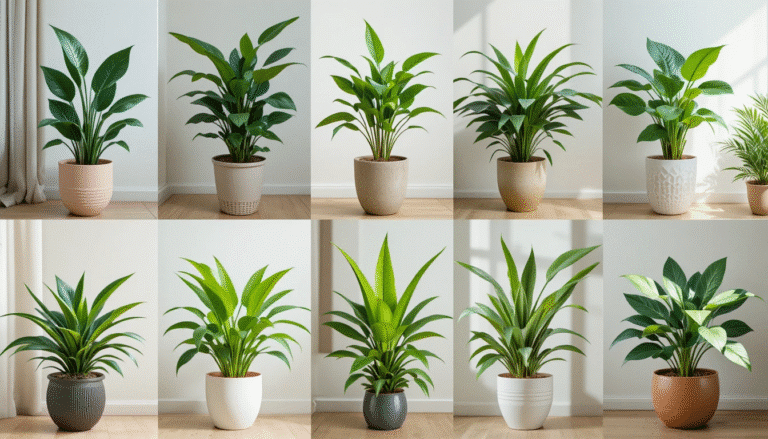
Let’s explore the 20 best low-maintenance plants that thrive in Indian homes and offices. Each plant is perfectly suited to busy lifestyles while adding natural beauty to your space.
1. Snake Plant (Sansevieria)
The Snake Plant, also called Mother-in-Law’s Tongue, is virtually indestructible and perfect for beginners. With striking upright leaves featuring yellow or white edges, it adds architectural interest to any room while purifying air even at night.
Best for: Indoor bedrooms, living rooms, offices
Care Level: Very Easy
Light: Tolerates low to bright indirect light
Water: Every 2-3 weeks; extremely drought-tolerant
Snake Plants can survive weeks of neglect and actually prefer being underwatered to overwatered. They’re also one of the few plants that release oxygen at night, making them perfect bedroom companions.
2. Money Plant (Pothos)
The beloved Money Plant is a trailing vine that’s considered auspicious in Indian homes. Its heart-shaped glossy leaves cascade beautifully from hanging pots, shelves, or can even climb with support.
Best for: Indoors, balconies, shelves, hanging planters
Care Level: Very Easy
Light: Low to bright indirect light
Water: Weekly, when topsoil feels dry
Money Plants are incredibly forgiving and can even grow in water for months. They propagate easily, allowing you to create multiple plants from one and share with friends and family.
3. ZZ Plant (Zamioculcas Zamiifolia)
The ZZ Plant is a modern favorite with its glossy, waxy leaves that seem to shine even in low light. It’s one of the most resilient plants you can own, surviving neglect that would kill most other species.
Best for: Offices, dim corners, air-conditioned rooms
Care Level: Very Easy
Light: Low to moderate indirect light
Water: Every 2-3 weeks
ZZ Plants store water in their rhizomes, making them extremely drought-tolerant. They’re perfect for air-conditioned offices where other plants might struggle.
4. Aloe Vera
Beyond being a low-maintenance plant, Aloe Vera is a natural first-aid kit. The gel inside its thick, fleshy leaves soothes burns, cuts, and skin irritations, making it both decorative and functional.
Best for: Sunny windowsills, balconies, kitchens
Care Level: Easy
Light: Bright indirect to direct light
Water: Every 2 weeks; drought-tolerant succulent
Aloe Vera thrives on neglect and bright light. It’s perfect for that sunny kitchen window where you can easily access it for its medicinal properties.
5. Peace Lily (Spathiphyllum)
With elegant white blooms and deep green leaves, the Peace Lily adds sophistication to any space. It’s also a champion air purifier and actually tells you when it needs water by drooping slightly.
Best for: Indoor living rooms, bedrooms, bathrooms
Care Level: Easy
Light: Low to moderate indirect light
Water: Weekly; prefers consistently moist (not wet) soil
Peace Lilies are forgiving and recover quickly even if you forget to water them. They bloom regularly indoors, adding a touch of elegance with minimal effort.
6. Areca Palm
The Areca Palm brings a tropical resort feel to Indian homes with its graceful, feathery fronds. It’s an excellent natural humidifier and air purifier, making it ideal for dry Indian climates.
Best for: Living rooms, offices, spacious corners
Care Level: Easy
Light: Bright indirect light
Water: Weekly in summer, every 10 days in winter
Areca palms adapt well to indoor conditions and grow relatively slowly, meaning less frequent repotting. They’re perfect for adding height and drama to empty corners.
7. Jade Plant (Crassula Ovata)
The Jade Plant, with its thick, glossy leaves resembling coins, is considered a symbol of prosperity in Feng Shui. This succulent stores water in its leaves, making it remarkably drought-tolerant.
Best for: Desks, windowsills, small spaces
Care Level: Very Easy
Light: Bright indirect to direct light
Water: Every 10-14 days
Jade Plants are perfect for sunny spots and can live for decades with minimal care. They occasionally produce delicate star-shaped flowers, rewarding patient plant parents.
8. Rubber Plant (Ficus Elastica)
The Rubber Plant makes a bold statement with its large, glossy burgundy or green leaves. It’s a hardy plant that grows into an impressive indoor tree with minimal maintenance.
Best for: Living rooms, offices, spacious areas
Care Level: Easy
Light: Bright indirect light
Water: Weekly, allowing topsoil to dry between waterings
Rubber Plants are forgiving and adapt well to various conditions. Simply wipe their large leaves occasionally to keep them shiny and dust-free.
9. Aglaonema (Chinese Evergreen)
Aglaonemas offer stunning foliage patterns in shades of green, silver, pink, and red. They’re among the best plants for low-light conditions and tolerate air conditioning beautifully.
Best for: Offices, dim corners, bedrooms
Care Level: Very Easy
Light: Low to moderate indirect light
Water: Every 7-10 days
These colorful beauties are perfect for adding visual interest to spaces where most plants won’t thrive. They’re also excellent air purifiers.
10. Syngonium (Arrowhead Plant)
Syngonium features arrow-shaped leaves in various colors from green to pink. It’s a versatile plant that can trail, climb, or be kept compact, adapting to your space and style.
Best for: Hanging baskets, shelves, trellises
Care Level: Easy
Light: Moderate indirect light
Water: Weekly, keeping soil slightly moist
Syngoniums are fast-growing and forgiving, perfect for those who want to see quick results from their plant care efforts.
11. Spider Plant (Chlorophytum Comosum)
Spider Plants are cheerful, easy-going plants with striped arching leaves. They produce adorable baby plantlets called “spiderettes” that dangle from the mother plant, making propagation effortless.
Best for: Hanging baskets, shelves, balconies
Care Level: Very Easy
Light: Bright indirect light
Water: Weekly
Spider Plants are nearly impossible to kill and adapt to various conditions. They’re excellent air purifiers and perfect for beginners.
12. Lucky Bamboo (Dracaena Sanderiana)
Despite its name, Lucky Bamboo isn’t actually bamboo but a resilient Dracaena. Often arranged in decorative spirals or braids, it grows happily in water or soil and is considered auspicious.
Best for: Desks, side tables, offices
Care Level: Very Easy
Light: Low to bright indirect light
Water: Can grow in water indefinitely; change water every 2 weeks
Lucky Bamboo is perfect for those who forget to water plants—just keep the water level topped up and it thrives for years.
13. Philodendron Brasil
This stunning trailing plant features heart-shaped leaves splashed with lime green and yellow variegation. It’s a fast-growing, forgiving plant that brings vibrant color to any space.
Best for: Hanging baskets, shelves, bookshelves
Care Level: Very Easy
Light: Moderate indirect light
Water: Weekly
Philodendron Brasil is perfect for creating that Instagram-worthy jungle vibe with minimal effort. It propagates easily in water.
14. Dieffenbachia (Dumb Cane)
Dieffenbachia boasts large, decorative leaves with striking cream and green patterns. It’s a statement plant that grows quickly and fills spaces beautifully.
Best for: Living rooms, offices, spacious corners
Care Level: Easy
Light: Moderate to bright indirect light
Water: Weekly, when topsoil dries
This plant is forgiving and adapts well to indoor conditions. Note: Keep away from pets and small children as the sap can cause irritation.
15. Cactus Varieties
From the rounded Barrel Cactus to columnar varieties, cacti are the ultimate low-maintenance plants. They thrive on neglect and add a modern, sculptural element to décor.
Best for: Sunny windowsills, balconies, study desks
Care Level: Very Easy
Light: Direct sunlight
Water: Every 2-3 weeks in summer, monthly in winter
Cacti are perfect for those who travel frequently or consistently forget to water plants. They actually prefer being ignored.
16. Succulent Mix
Succulents like Echeveria, Haworthia, and Sedum come in fascinating shapes, colors, and textures. These water-storing plants are perfect for creating beautiful arrangements in small spaces.
Best for: Windowsills, desk gardens, terrariums
Care Level: Very Easy
Light: Bright indirect to direct light
Water: Every 10-14 days
Succulents are ideal for small apartments where space is limited. Create stunning succulent gardens in shallow containers for minimal maintenance and maximum impact.
17. Dracaena Marginata (Dragon Tree)
With its slender red-edged leaves atop woody stems, Dracaena Marginata adds height and elegance. It’s remarkably tolerant of neglect and adapts well to various indoor conditions.
Best for: Living rooms, offices, corners
Care Level: Easy
Light: Low to bright indirect light
Water: Every 10-14 days
This slow-growing plant is perfect for creating vertical interest without frequent maintenance or rapid outgrowth.
18. Bougainvillea (Outdoor)
For outdoor spaces and balconies, Bougainvillea offers spectacular displays of pink, purple, orange, or red bracts. Once established, it’s remarkably drought-tolerant and flowers profusely.
Best for: Balconies, terraces, gardens
Care Level: Easy (after establishment)
Light: Full direct sunlight
Water: Every 3-4 days in summer, weekly in winter
Bougainvillea thrives in India’s warm climate and rewards minimal care with stunning year-round color. Perfect for adding drama to sunny outdoor spaces.
19. Hibiscus (Low-care Outdoor)
Hibiscus produces large, showy flowers in red, pink, yellow, and orange. It’s tougher than it looks and blooms readily in Indian conditions with basic care.
Best for: Balconies, terraces, small gardens
Care Level: Easy
Light: Full to partial sunlight
Water: Every 2-3 days when flowering
Once established, Hibiscus is quite forgiving and provides daily fresh blooms that can be used for decoration or even making refreshing tea.
20. Tulsi (Holy Basil)
Beyond its religious significance in Indian homes, Tulsi is an incredibly resilient herb that thrives in Indian conditions. It’s medicinal, aromatic, and requires minimal care.
Best for: Balconies, kitchen gardens, courtyards
Care Level: Very Easy
Light: Full to partial sunlight
Water: Every 2-3 days
Tulsi is perfect for those who want functional plants. Use its leaves in tea, cooking, or traditional remedies while enjoying its pleasant fragrance.
Growing & Care Guide for Low Maintenance Plants
Even low-maintenance plants need some basic understanding of their requirements. Here’s everything you need to know about caring for plants in Indian conditions.
Light Requirements in Indian Homes
Understanding light conditions in your home is crucial for plant success. Indian homes typically have windows facing different directions, each offering unique light conditions:
South-facing windows receive the brightest, most intense light throughout the day—perfect for cacti, succulents, Aloe Vera, and Jade Plants that love direct sunlight.
East-facing windows offer gentle morning sun and bright indirect light for the rest of the day—ideal for most foliage plants like Money Plant, Philodendrons, and Syngoniums.
West-facing windows get hot afternoon sun which can be too intense for most indoor plants unless filtered with sheer curtains.
North-facing windows provide low, indirect light throughout the day—best for low-light champions like ZZ Plant, Snake Plant, and Aglaonema.
Plants that tolerate low light: If your apartment lacks bright windows, choose Snake Plants, ZZ Plants, Pothos, Peace Lilies, or Aglaonemas. These thrive even several feet away from windows.
Watering Schedule
The golden rule for low-maintenance plants is simple: water every 7-10 days and always check soil moisture first. More plants die from overwatering than underwatering.
The finger test: Insert your finger 2 inches into the soil. If it feels dry, water thoroughly until water drains from the bottom. If it’s still moist, wait a few more days.
Summer watering (March-June): During India’s hot summers when temperatures soar to 35-45°C, plants may need watering every 5-7 days as soil dries faster. Outdoor plants might need more frequent watering.
Winter watering (November-February): In cooler months, reduce watering to every 10-14 days. Plants grow slower and need less water. This is when most overwatering happens.
Monsoon adjustments: During heavy monsoon rains, reduce indoor watering frequency as humidity increases. Move outdoor potted plants to covered areas to prevent waterlogging.
Avoiding overwatering—the most common mistake: Yellowing leaves, mushy stems, and foul-smelling soil indicate overwatering. Always ensure pots have drainage holes and never let plants sit in water-filled saucers for extended periods.
Soil Mix (Indian Conditions)
The right soil mix ensures proper drainage and aeration, preventing root rot while providing nutrients:
For indoor foliage plants: Mix 40% garden soil + 30% cocopeat + 20% compost + 10% perlite or sand. This provides drainage while retaining some moisture.
For succulents and cacti: Mix 30% garden soil + 30% cocopeat + 20% sand + 20% perlite. This ensures excellent drainage that prevents root rot.
For outdoor flowering plants: Mix 50% garden soil + 30% compost + 20% cocopeat. This richer mix supports flowering and growth.
Cocopeat is widely available in India and excellent for water retention while improving soil texture. Perlite or coarse sand ensures drainage. Compost provides slow-release nutrients naturally.
You can purchase ready-made potting mixes from nurseries, but making your own ensures quality and saves money for larger quantities.
Temperature & Humidity Needs
Low-maintenance plants are chosen partly for their ability to handle India’s varied climate:
Handling Indian summers (35-45°C): Most low-maintenance plants tolerate high temperatures well. Provide bright indirect light rather than harsh direct sun during peak summer hours. Increase watering frequency slightly but never overwater.
Winter care (10-25°C): These plants handle Indian winters easily. Reduce watering and avoid cold drafts from air coolers. Most tropical plants slow their growth in winter, which is normal.
Humid coastal cities (Mumbai, Chennai, Kolkata): Plants like Ferns, Peace Lilies, and Areca Palms thrive in naturally humid environments. Fungal issues can occur—ensure good air circulation and avoid overwatering.
Dry inland cities (Delhi, Jaipur, Pune): Succulents, cacti, Snake Plants, and ZZ Plants excel in drier conditions. For humidity-loving plants, occasional misting helps but isn’t essential for low-maintenance varieties.
Air conditioning effects: Most low-maintenance plants adapt to air-conditioned rooms. ZZ Plants, Snake Plants, and Aglaonemas handle AC particularly well. Just avoid placing plants directly in front of AC vents.
Fertilizer
Low-maintenance plants need minimal fertilization—that’s part of their appeal:
How often: Feed every 2-3 months during the growing season (March-October). Skip fertilizing in winter when growth slows naturally.
Best organic fertilizers available in India:
- Cow dung compost: Traditional, effective, and widely available
- Vermicompost: Rich in nutrients and improves soil structure
- Neem cake: Organic fertilizer that also deters pests
- Seaweed extract: Excellent for overall plant health
- Homemade compost: Kitchen waste composting is economical and sustainable
Application: Apply a thin layer of compost on topsoil or use diluted liquid fertilizer as per package instructions. For low-maintenance plants, less is more—over-fertilizing causes more harm than under-fertilizing.
Repotting Guide
Low-maintenance plants grow slowly and need infrequent repotting—typically every 2-3 years:
Signs it’s time to repot:
- Roots growing through drainage holes
- Water draining too quickly (root-bound plant)
- Plant becoming top-heavy and unstable
- Visible decline in plant health despite proper care
Choosing the right pot size: Select a pot only 2 inches larger in diameter than the current one. Too large a pot holds excess moisture, risking root rot. Always choose pots with drainage holes.
Best seasons for repotting: Early spring (February-March) or just after monsoon (September-October) when plants are actively growing and recover quickly from transplant shock.
Looking for the perfect pot for your newly repotted plant? Browse our Pots & Planters collection featuring ceramic, fiber, and terracotta options in various sizes.
Pruning Tips
Minimal pruning keeps low-maintenance plants looking their best:
Removing dead leaves: Use clean scissors or pruning shears to cut off yellowed, brown, or dead leaves at the base. This prevents pest issues and directs energy to healthy growth.
Encouraging new growth: For trailing plants like Pothos and Philodendrons, trim leggy stems to promote bushier growth. Cut just above a node (where leaves emerge).
Timing: Prune during active growing seasons (spring and summer) when plants recover quickly. Avoid heavy pruning in winter.
Maintenance pruning: Simply remove dead or damaged parts as you notice them throughout the year. Low-maintenance plants rarely need aggressive pruning.
Common Mistakes to Avoid
Even with low-maintenance plants, certain mistakes can cause problems:
Overwatering: The number one killer of houseplants. Always check soil moisture before watering and ensure proper drainage. When in doubt, wait another day.
Wrong pot size: Too small restricts growth; too large holds excess moisture. Choose appropriately sized pots and upsize gradually.
Keeping plants in sun-heavy balconies: Not all plants tolerate India’s intense afternoon sun. Most indoor foliage plants prefer bright indirect light. Reserve direct sun spots for cacti, succulents, and sun-loving outdoor plants.
Ignoring drainage: Pots without drainage holes are recipes for disaster. Always ensure excess water can escape, preventing root rot.
Using garden soil alone: Heavy garden soil compacts in pots, suffocating roots. Always amend with cocopeat, compost, and perlite for proper aeration.
Common Problems & Solutions (India-Specific)
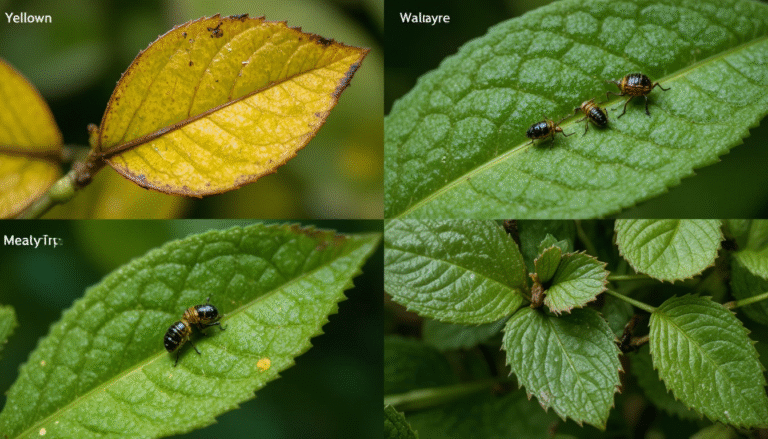
Even low-maintenance plants face occasional issues. Here’s how to identify and fix common problems in Indian conditions:
Problem 1: Yellowing Leaves
Causes:
- Overwatering (most common)
- Nutrient deficiency
- Natural aging of lower leaves
- Poor drainage
Solutions: Reduce watering frequency and check that pots have adequate drainage holes. If soil stays soggy, re-pot in a fresh, well-draining mix. The bottom leaves naturally yellow and drop with age—this is normal. If new growth yellows, add organic fertilizer like vermicompost.
Problem 2: Mushy Roots / Root Rot
Causes:
- Chronic overwatering
- Poor drainage
- Pots without drainage holes
- Heavy, compacted soil
Solutions: Immediately stop watering. Remove the plant from the pot and inspect the roots. Trim away brown, mushy roots with sterile scissors, keeping only firm, white roots. Repot in fresh, well-draining soil mix with added perlite. Water only when the top 2 inches of soil are completely dry.
Problem 3: Pests (Mealybugs, Aphids, Spider Mites)
Causes:
- Stressed plants from improper care
- Bringing infected plants home
- Poor air circulation
- High humidity without airflow
Solutions: Isolate affected plants immediately. For mealybugs, wipe leaves with cotton soaked in rubbing alcohol or neem oil solution. For aphids, spray with soapy water (1 teaspoon dish soap in 1 liter water). For spider mites, increase humidity and spray with neem oil. Apply neem oil solution weekly for prevention—it’s readily available across India.
Problem 4: Slow Growth
Causes:
- Insufficient light
- Root-bound plant
- Lack of nutrients
- Winter dormancy (normal)
Solutions: Move plants to a brighter location with indirect light. Check if roots are circling the pot—if so, repot into a slightly larger container. Add vermicompost or diluted liquid fertilizer during the growing season. Remember that slow growth in winter (November-February) is completely normal for most plants.
Problem 5: Leaves Falling Off
Causes:
- Sudden temperature changes
- Drafts from AC or fans
- Transplant shock after repotting
- Extreme underwatering
- Natural adjustment to new environment
Solutions: Keep plants away from direct AC vents and cold drafts. Avoid moving plants frequently. After bringing a new plant home, expect some leaf drop as it adjusts—this is normal and stops within 2-3 weeks. Maintain a consistent watering schedule without extremes. If leaves drop suddenly after repotting, reduce watering and keep in stable conditions until it recovers.
Price of Low Maintenance Plants in India (2025)
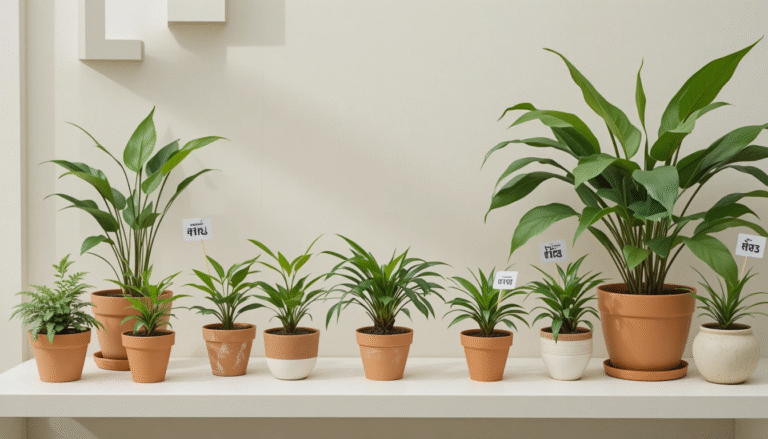
One of the biggest advantages of low-maintenance plants is their affordability. Here’s what you can expect to pay across India:
Small to medium indoor plants (4-8 inch pots): ₹149 to ₹999
Popular varieties like Money Plant, Snake Plant, and ZZ Plant typically range from ₹199 to ₹499. More decorative varieties like variegated Aglaonemas can cost ₹499 to ₹799.
Outdoor hardy plants: ₹80 to ₹300
Tulsi, Hibiscus, and small Bougainvillea plants are very affordable, often starting at just ₹80 to ₹150 for small plants. Established flowering plants in larger pots cost ₹200 to ₹500.
Premium varieties (10-14 inch pots or rare cultivars): ₹499 to ₹1,499
Larger specimens of Areca Palm, Rubber Plant, or rare variegated varieties command higher prices. Well-established plants in decorative pots can reach ₹1,000 to ₹1,499.
Factors affecting price:
Pot type: Plants in basic plastic pots are most affordable (₹149-₹299). The same plant in a ceramic or fiber pot can cost ₹400-₹799. Premium planters add ₹200-₹500 to the base price.
Size: A small 4-inch Money Plant costs ₹149-₹199, while an 8-inch mature specimen costs ₹399-₹499. Larger plants represent better value long-term.
Nursery vs online: Local nurseries often offer lower prices (₹150-₹300 for common plants) but limited variety. Online plant stores charge slightly more (₹299-₹499) but offer wider selection, convenient delivery, and often include care instructions.
Location: Metro cities like Mumbai, Delhi, and Bangalore have competitive pricing due to numerous sellers. Smaller cities might have limited options and slightly higher prices.
Season: Prices may increase slightly during festive seasons (Diwali, Housewarming season) when demand peaks.
Overall value: At these prices, starting a small indoor garden with 3-5 low-maintenance plants costs just ₹500-₹1,500—an affordable investment in your home’s aesthetics and air quality.
Buying Guide for Low Maintenance Plants (Indian Buyers)
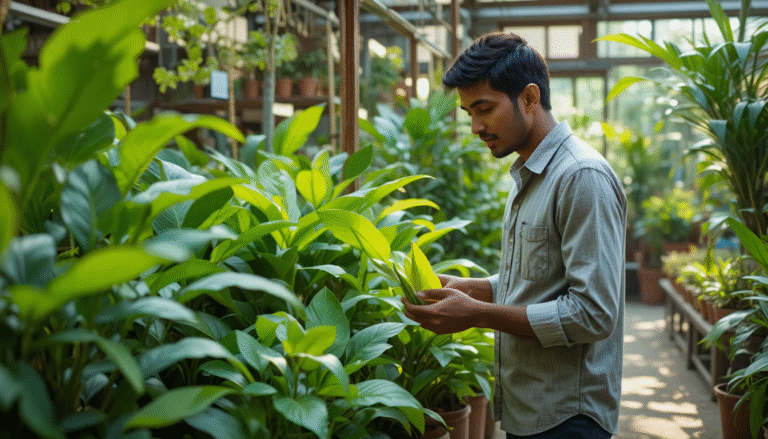
Making smart purchasing decisions ensures you bring home healthy plants that thrive. Here’s your complete buying guide:
How to Inspect Plant Health
Check the leaves: Look for vibrant, uniformly colored leaves without brown edges, yellow spots, or holes. Some lower leaf yellowing is normal, but overall foliage should look fresh and firm.
Examine stems: Stems should be firm, not soft or mushy. Check for any signs of rot, particularly near the soil line.
Inspect for pests: Look under leaves and along stems for tiny insects, sticky residue, or white cottony masses (mealybugs). Avoid plants with visible pest damage.
Root check (if possible): If buying from a nursery, gently check roots by tilting the pot. Healthy roots are white or light-colored, not brown or black. Some roots emerging from drainage holes is fine, but excessive circling indicates the plant is root-bound.
Soil condition: Soil should be moist but not waterlogged. Avoid plants sitting in water-filled saucers or with foul-smelling soil.
Ideal Sizes for Apartments
Compact spaces (studio, 1BHK): Choose 4-6 inch pots for desks and shelves. Plants like Jade, small Snake Plants, and succulents fit perfectly without overwhelming limited space.
Medium apartments (2BHK): Mix 6-8 inch plants for tables and counters with a few larger 10-12 inch floor plants like Areca Palm or Rubber Plant for corners.
Spacious homes (3BHK+): Go bold with 12-14 inch statement plants for living areas while using smaller plants throughout for layered greenery.
Balconies: Start with 8-10 inch pots that provide stability against wind while leaving space for multiple plants.
Pot Recommendations
Ceramic pots: Beautiful, heavy (providing stability), and available in gorgeous designs. Best for indoor display plants. Ensure they have drainage holes or use them as decorative outer pots.
Fiber pots: Lightweight, affordable, excellent drainage, and eco-friendly. Perfect for hanging plants and balconies. They’re durable despite being lightweight.
Terracotta/clay pots: Traditional, breathable, excellent for succulents and cacti as they wick moisture away. They’re porous, so plants dry faster—ideal for those prone to overwatering.
Plastic pots: Most affordable and lightweight, retain moisture well. Perfect for beginners or temporary use before upgrading to decorative pots.
Self-watering pots: Ideal for frequent travelers. These pots have built-in reservoirs that release water gradually. Great for Peace Lilies and ferns.
Online vs Offline Comparison
Local nurseries:
- Pros: See and select exact plant, immediate purchase, often cheaper, can negotiate prices, personal advice from sellers
- Cons: Limited variety, must transport yourself, might lack rare varieties, inconsistent quality
Online plant stores:
- Pros: Wider variety including rare plants, doorstep delivery, detailed care instructions, easy comparison shopping, often include decorative pots
- Cons: Can’t inspect before buying, shipping stress on plants, slightly higher prices, delivery delays possible
Best approach: Buy common low-maintenance plants from local nurseries to save money. For rare varieties, specific pot styles, or when buying multiple plants, online shopping offers convenience and selection.
The Green Gifting Trend in India
Plants have become the most thoughtful, sustainable gifts for housewarmings, anniversaries, birthdays, and corporate gifting in India. Low-maintenance plants make perfect gifts because:
- They’re meaningful and last far longer than flowers
- They suit all age groups and occasions
- They’re budget-friendly yet premium-looking
- They promote wellness and sustainability
Best plants for gifting: Snake Plant (prosperity), Money Plant (luck), Lucky Bamboo (fortune), Jade Plant (wealth), Peace Lily (harmony)
Pair your plant gift with a beautiful ceramic pot and care instruction card for a complete presentation. Explore our Green Gifting collection for curated gift sets perfect for any occasion.
Propagation (Simple Steps)
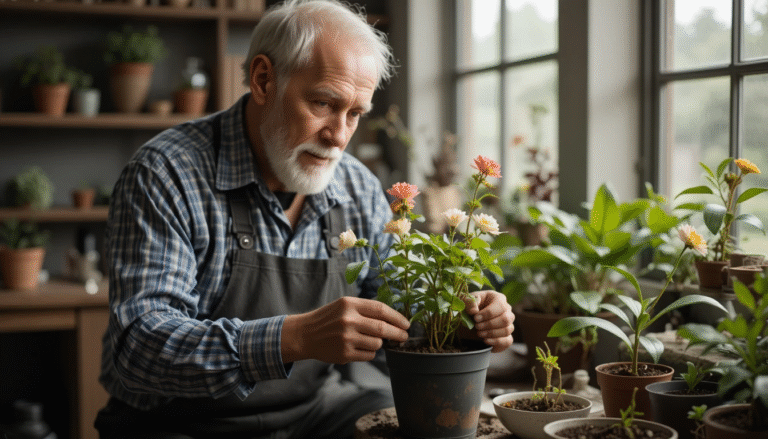
One of the joys of low-maintenance plants is how easily they propagate, allowing you to multiply your collection for free or share with friends:
Stem Cutting Method (Money Plant, Pothos, Philodendrons, Syngonium)
- Select healthy stems: Choose stems with 3-4 leaves and visible nodes (small bumps where roots will emerge)
- Make clean cuts: Use sterilized scissors to cut just below a node at a 45-degree angle
- Remove lower leaves: Strip leaves from the bottom 2 inches of the cutting
- Place in water or soil: Either root in water or plant directly in moist potting mix
- Provide indirect light: Keep in bright, indirect light and maintain warmth
- Wait for roots: Roots appear in 2-4 weeks in water, 3-6 weeks in soil
- Transplant if needed: Once water roots are 2-3 inches long, transfer to soil
Water Propagation (Easiest for Beginners)
Best plants: Money Plant, Pothos, Philodendron Brasil, Lucky Bamboo, Spider Plant babies
Steps:
- Take healthy stem cuttings with nodes
- Place in clear glass or jar with clean water (room temperature)
- Change water every 5-7 days to prevent algae
- Position in bright, indirect light
- Watch roots develop over 2-4 weeks
- Optional: Keep growing in water indefinitely or transfer to soil once roots are established
Pro tip: Add a small piece of charcoal to the water to keep it fresh longer and prevent odors.
Leaf Propagation (Succulents, Jade Plant)
Best for: Succulents like Echeveria, Jade Plant, some Begonias
Steps:
- Gently twist off healthy leaf: Ensure entire leaf including base comes off cleanly
- Let it callus: Leave leaf in open air for 2-3 days until the cut end dries and forms a callus
- Lay on soil: Place calloused end on top of succulent soil mix (don’t bury it)
- Mist occasionally: Lightly mist soil every few days, avoiding the leaf itself
- Wait patiently: Roots and tiny plantlets emerge in 3-6 weeks
- Transplant baby plants: Once baby plant is 1-2 inches, gently transplant to individual pot
Note: Not all leaves will successfully propagate—expect about 60-70% success rate. Try multiple leaves for best results.
Division Method (Snake Plant, Spider Plant, Peace Lily, Aloe Vera)
For plants that grow in clusters:
- Remove plant from pot: Gently tip out entire root ball
- Identify natural divisions: Look for separate sections with their own roots
- Separate carefully: Use your hands or sterilized knife to divide clumps
- Replant divisions: Each division goes into its own pot with fresh soil
- Water lightly: Water sparingly for first 2 weeks while plants establish
Best timing: Spring (February-March) when plants are entering an active growth phase.
FAQs
Here are answers to the most common questions about low-maintenance plants in India:
Which plant needs the least maintenance in India?
The Snake Plant (Sansevieria) requires the absolute least maintenance. It tolerates extreme neglect, surviving 3-4 weeks without water, thrives in low light to bright light, rarely needs fertilizing, and is nearly pest-free. ZZ Plant and Pothos are close runners-up for easiest care.
Which indoor plants survive without sunlight?
While no plant survives completely without light, these thrive in low-light conditions away from windows: ZZ Plant, Snake Plant, Pothos (Money Plant), Aglaonema (Chinese Evergreen), Peace Lily, and Philodendrons. They can flourish several feet from windows using only ambient indoor light.
How often should I water low maintenance plants?
Every 7-10 days is the general rule for most low-maintenance indoor plants. However, always check soil moisture first—water only when the top 2 inches feel dry. Succulents and cacti need watering every 10-14 days, while some tropical plants like Peace Lily prefer weekly watering. Indian summers may require slightly more frequent watering.
Which plant is best for Indian apartments?
Money Plant (Pothos) is the best overall choice for Indian apartments because it adapts to any light condition, requires minimal water, tolerates air conditioning, is considered auspicious, looks beautiful trailing from shelves, and propagates easily. Snake Plant and ZZ Plant are excellent alternatives for even lower maintenance.
Are succulents good for beginners in India?
Yes, absolutely! Succulents are perfect for Indian beginners, especially in cities with sunny balconies like Delhi, Jaipur, Pune, and Bangalore. They thrive on neglect, need watering only every 10-14 days, love India’s sunny climate, and are very affordable (₹80-₹250). Just ensure they get 4-6 hours of bright light and have well-draining soil.
What plants can survive air conditioning?
ZZ Plant, Snake Plant, Aglaonema, Pothos, and Rubber Plant handle air-conditioned environments excellently. These plants tolerate the drier air and cooler temperatures of AC rooms. Just keep them away from direct AC vents where cold air blasts directly on leaves, and maintain regular watering since AC environments can dry soil faster.
Which plants clean air and need low maintenance?
Several low-maintenance plants are champion air purifiers: Snake Plant (removes formaldehyde and benzene, releases oxygen at night), Peace Lily (filters ammonia, benzene, formaldehyde), Areca Palm (natural humidifier, removes toxins), Spider Plant (removes carbon monoxide and xylene), and Pothos (filters formaldehyde). All are easy-care and perfect for Indian homes.
Can I keep plants in a low-light room?
Yes! Choose plants specifically adapted to low light: ZZ Plant, Snake Plant, Pothos, Aglaonema, Philodendrons, and Peace Lily. These plants evolved under rainforest canopies and thrive in dim conditions. They’ll grow more slowly in low light but remain healthy with proper care. Avoid flowering plants and succulents in low-light rooms as they need bright light.
Are low-maintenance plants safe for pets?
Some are, some aren’t. Pet-safe options include: Spider Plant, Areca Palm, Money Plant (mildly toxic but usually not seriously harmful), and Parlor Palm. Avoid if you have pets: Peace Lily, Snake Plant, Pothos, Philodendrons, Dieffenbachia, and Aloe Vera—these contain compounds that can cause digestive upset if ingested. Always place toxic plants out of pets’ reach or choose pet-friendly alternatives.
Which plants are easiest to grow in Indian summers?
Succulents, cacti, Aloe Vera, Snake Plant, Jade Plant, ZZ Plant, and outdoor plants like Bougainvillea, Hibiscus, and Tulsi excel in Indian summers (35-45°C). These plants are naturally adapted to heat and actually thrive in hot, sunny conditions. Most are drought-tolerant, making them perfect for the harsh summer months when temperatures soar.
Conclusion
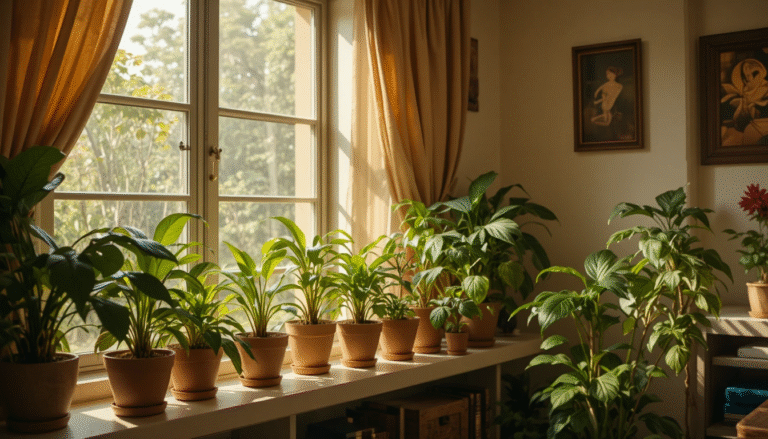
Starting your plant journey doesn’t require a green thumb, extensive time, or a large budget—just the right plant choices. These 20 low-maintenance plants are perfectly adapted to Indian homes, offices, and lifestyles, thriving despite busy schedules, varying light conditions, and India’s diverse climate.
Whether you live in a compact Mumbai apartment with limited natural light, a sunny Bangalore balcony, or a spacious Delhi home, there’s a perfect low-maintenance plant waiting to transform your space. From the virtually indestructible Snake Plant to the auspicious Money Plant, from air-purifying Peace Lilies to colorful outdoor Bougainvillea—each plant offers unique benefits while demanding minimal attention.
Start your green journey today with just 2-3 plants that suit your specific conditions. Choose a Snake Plant for that dim bedroom corner, add a trailing Pothos to your living room shelf, or brighten your sunny windowsill with cheerful succulents. As you gain confidence, gradually expand your collection with more varieties.
Remember, the key to success with low-maintenance plants is simple: less is more. Underwater rather than overwater, provide appropriate light, use well-draining soil, and resist the urge to fuss over them constantly. These resilient plants actually prefer benign neglect.
Enhance your plant’s beauty with thoughtfully chosen planters that complement your décor. A beautiful ceramic pot can transform a simple plant into a stunning décor element. Browse our Pots & Planters collection to find the perfect home for your green companions.
Ready to create your own urban jungle? Explore our complete Indoor Plants Guide for more varieties, check out our Landscaping Services for professional plant styling, or discover unique plant gifts in our Green Gifting section. Your journey to a greener, healthier, more beautiful space starts with a single plant.
Welcome to the wonderful world of low-maintenance gardening—where busy people and thriving plants coexist in perfect harmony!
Related Articles:
Pingback: Seasonal Planting Calendar for India -
Pingback: Best Native Plants to Attract Pollinators in India (Expert Guide) -